
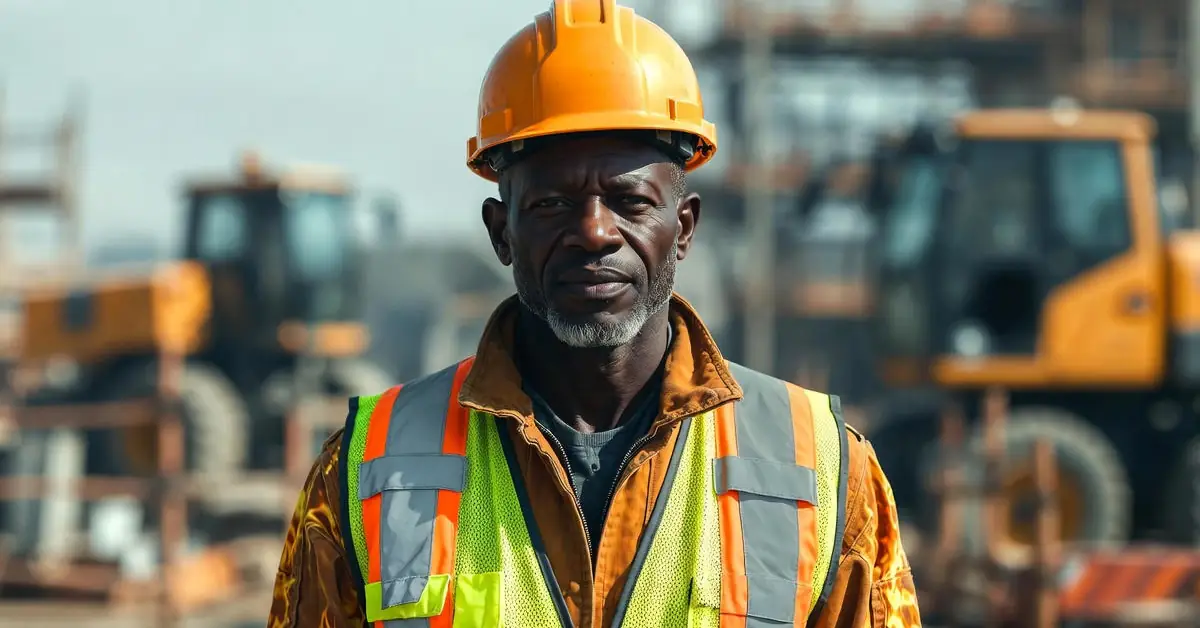
In every modern workplace — from construction zones to warehouses, manufacturing plants, logistics facilities, and outdoor field operations — safety isn’t optional. It’s a responsibility shared by employers, supervisors, and workers alike. While machinery, training, and hazard control all play major roles in building a safe environment, one factor often forms the first line of defense: work safety wear.
Work safety wear (also known as protective workwear or PPE clothing) provides essential protection against physical hazards, visibility risks, environmental conditions, and workplace injuries. With evolving safety standards and increasing industry regulations, choosing the right protective apparel has become more important than ever.
In this comprehensive guide, we explore why work safety wear matters, the types of clothing available, compliance standards, and how organizations can choose the right safety gear for their workforce.
What Is Work Safety Wear?
Work safety wear refers to specialized protective clothing designed to reduce workplace hazards and keep workers safe in high-risk environments. This type of gear is engineered to protect against:
- Cuts and abrasions
- Impact hazards
- Heat and flame exposure
- Low-visibility conditions
- Chemical splashes
- Weather elements
- Electrical risks
- Biological hazards
From high-visibility vests to flame-resistant uniforms, safety gloves, steel-toe footwear, and respiratory PPE, every piece of work safety wear is part of a structured approach to injury prevention.
Why Work Safety Wear Matters
The purpose of protective clothing isn’t only compliance — it’s prevention. Workplace accidents often happen in seconds, and proper safety wear can significantly reduce the severity of injuries.
1. Protects Against Common Industrial Hazards
Construction, mining, logistics, and manufacturing environments expose workers to moving machinery, sharp tools, heavy materials, and unpredictable hazards. Proper PPE clothing acts as a barrier between the worker and the danger.
2. Ensures High Visibility in Busy Work Zones
Many safety incidents occur simply because a worker wasn’t seen. High-visibility workwear, reflective gear, and bright color uniforms improve visibility during both day and night operations.
3. Supports Safety Compliance and Reduces Liability
Safety authorities around the world — including OSHA, ANSI, ISO, and local safety bodies — mandate specific types of workwear for different industry risks. Proper safety wear keeps organizations compliant and reduces legal exposure.
4. Improves Worker Confidence and Productivity
Workers who feel protected perform better. High-quality, comfortable safety clothing encourages confidence and boosts efficiency by eliminating unnecessary risks.
Types of Work Safety Wear Every Industry Should Consider
Work safety wear isn’t one-size-fits-all. Different industries require different types of protective apparel depending on the nature of hazards.
1. High-Visibility Clothing
Used in:
- Construction
- Roadwork
- Traffic control
- Railways
- Logistics and delivery
- Airport ground operations
These garments use fluorescent materials and reflective strips to ensure visibility during low light, bad weather, or high-movement environments.
2. Flame-Resistant (FR) Clothing
Critical for workers in:
- Oil and gas
- Welding
- Electrical utilities
- Mining
- Fire response
FR clothing is designed to self-extinguish, resist melting, and reduce burn severity.
3. Protective Outerwear
This includes:
- Safety jackets
- Rainproof gear
- Insulated workwear
- Hazard-resistant coats
Used in cold weather, outdoor environments, and jobs requiring long hours in unpredictable conditions.
4. Industrial Uniforms & Work Shirts
These garments offer:
- Breathability
- Durability
- Abrasion resistance
- Antimicrobial options
Perfect for manufacturing, technician roles, warehousing, and general industrial work.
5. Safety Footwear
Essential for protecting feet from:
- Falling objects
- Sharp materials
- Slips
- Electrical hazards
Includes steel-toe boots, composite-toe boots, and slip-resistant shoes.
6. Hand Protection
Work gloves vary by task:
- Cut-resistant gloves
- Chemical-resistant gloves
- Heat-resistant gloves
- Impact gloves
Choosing the right glove type can prevent multiple common workplace injuries.
Key Standards for Work Safety Wear
To ensure quality and protection, workwear must meet recognized safety standards. Some of the major ones include:
- ANSI/ISEA 107 for high-visibility clothing
- ISO 20471 for enhanced visibility
- NFPA 70E for electrical arc flash protection
- ASTM F1506 for flame-resistant clothing
- OSHA PPE regulations for workplace safety compliance
- AS/NZS 4602.1 for visibility standards (Australia/New Zealand)
Buying certified safety wear ensures the gear is tested, reliable, and compliant with industry requirements.
How to Choose the Right Work Safety Wear for Your Team
Selecting the correct gear involves more than picking bright colors or durable fabric. Organizations should evaluate:
✔ The specific hazards in the work environment
Is the worker exposed to heat, chemicals, moving traffic, electrical risks, or heavy materials?
✔ Climate and working conditions
Hot environments require breathable, moisture-wicking fabrics, while cold zones need insulated workwear.
✔ Mobility and comfort requirements
Safety clothing should not restrict movement or interfere with daily operations.
✔ Compliance requirements
Every industry has specific regulations that dictate what type of protective apparel is mandatory.
✔ Durability and lifespan
High-quality workwear lasts longer, reduces replacement costs, and maintains visibility and protection even after multiple washes.
Maintaining and Inspecting Work Safety Wear
Proper maintenance ensures reliability. Workers and supervisors should:
- Inspect reflective tape for cracks or fading
- Check FR clothing for damage
- Replace worn-out gloves and boots
- Follow manufacturer washing instructions
- Store garments away from direct sunlight
A strict maintenance routine increases clothing lifespan and keeps workers protected at all times.
Final Thoughts: Investing in Work Safety Wear Saves Lives
Work safety wear is more than a uniform — it’s an essential part of workplace safety culture. Whether your team works in construction, industrial operations, logistics, traffic control, warehousing, or hazardous environments, the correct protective workwear can prevent life-changing injuries and promote a safer, more efficient worksite.
By investing in high-quality, compliant, and comfortable work safety wear, organizations demonstrate their commitment to worker protection and long-term operational success.