
Living in Australia means being detail orientated, especially when it comes to the pipes and fixtures that keep our water flowing. Plumbing issues are a real pain, but they can also lead to water wastage and structural damage if left unchecked. By identifying leaks early, homeowners can save on their bills and avoid more extensive repairs. Taking a proactive approach to home maintenance is one of the best ways to protect your property from water damage.
Leaking Taps: A Steady Drip Adds Up
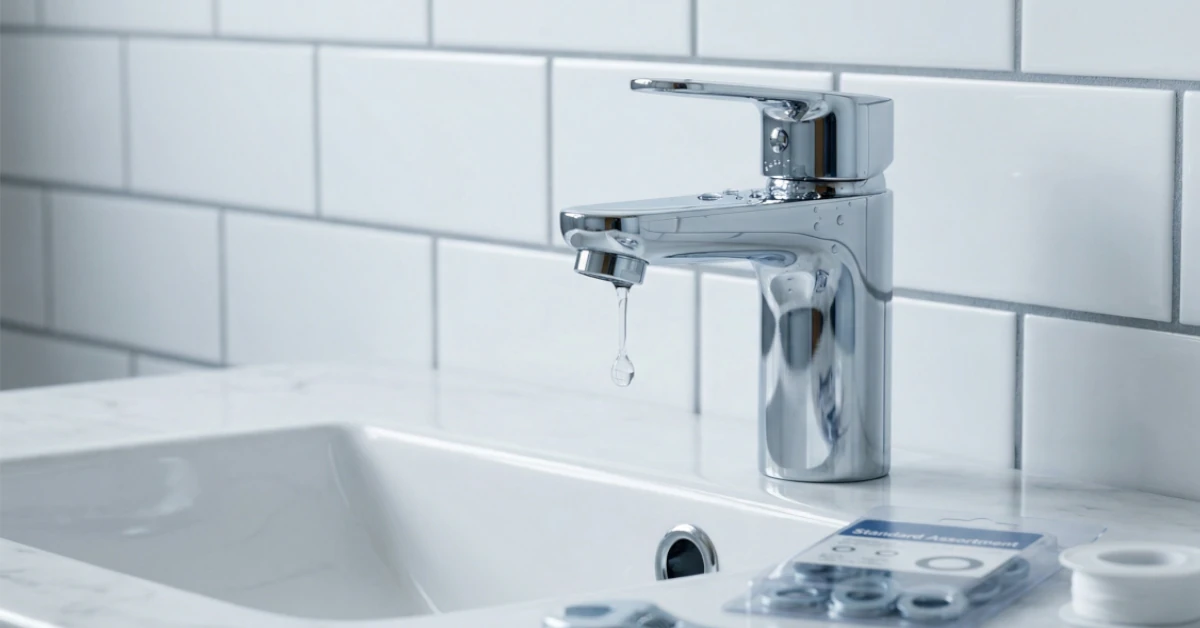
One of the most common issues in kitchens and bathrooms is leaking taps. A steady drip might seem like a minor annoyance, but it can waste hundreds of litres of water each month. Most tap leaks are caused by worn washers, O-rings, or seals. In Australia, the standard jumper washer system is widely used, and these rubber components wear out or harden over time. Replacing these small parts is usually straightforward, but ignoring them can lead to the brass valve seat pitting or corroding, which requires a more complex repair known as reseating the tap.
Toilets are another common source of household leaks and are often the most deceptive because water loss is not always visible or audible. A slow leak from the cistern into the bowl can occur if the inlet valve fails to shut off properly or if the outlet valve washer has deteriorated. An easy way to test for this is to place a few drops of food colouring into the cistern and wait 15 minutes without flushing. If colour appears in the bowl, there is a clear sign the internal components need servicing. Because many modern Australian toilets use dual flush mechanisms, the internal valves can be more complex than older models and may require specific parts for a proper repair.
Leaks Under Sinks and Water Heaters
Areas beneath sinks in the kitchen, laundry, and bathroom are hotspots for moisture problems. Often these leaks go unnoticed because cabinets are filled with cleaning supplies or storage items. These leaks usually occur at the P-trap or where the waste pipe meets the sink. Over time, plastic nuts can loosen due to thermal expansion or physical bumps from items being moved in and out of the cupboard. Regularly clearing out these spaces to check for dampness or water stains is a good habit. If you notice a slow drain along with a leak in these areas, it may indicate a blockage putting pressure on the joints, which may require professional drain clearing to resolve the underlying issue.
Water heaters are prone to leaking as they age, especially near valves or at the base of the tank. Most storage water heaters in Australia include a pressure and temperature relief valve. It is normal for this valve to release a small amount of water during the heating cycle, but a continuous stream indicates a fault. Corrosion inside the tank is another common cause of leaks. Once a tank begins to rust through, it generally cannot be repaired and will need replacement. Keeping the area around your hot water system clear of debris helps you spot puddles early before they cause significant flooding.
Outdoor and Hidden Leaks
Outdoor plumbing is often overlooked but can be a major source of water loss. Garden taps, irrigation systems, and exposed pipes are subject to the harsh Australian climate, which can cause materials to crack or fittings to loosen. A leaking garden tap is often due to a worn washer, similar to indoor taps. However, unusually green patches of grass or boggy soil during a dry spell may indicate a leak in the underground main line or irrigation piping. These subterranean leaks can be difficult to detect without specialised equipment and may cause ground subsidence if soil becomes overly saturated.
Showerheads can also leak from the swivel joint or the spray face itself. This is often caused by mineral buildup or a worn internal seal. In areas with hard water, calcium and lime deposits can block the small holes in the showerhead, causing pressure to build up and force water out through connections. Soaking the showerhead in a vinegar solution can help dissolve these deposits and restore flow. If leakage persists at the arm connection, replacing the thread tape may be necessary to ensure a watertight seal.
Hidden leaks behind walls or under floorboards are among the most serious because they often remain silent. Homeowners should watch for signs such as mildew odours, bubbling paint, or warped skirting boards. Another indicator of a hidden leak is a sudden, unexplained increase in the water bill. If you suspect a leak but cannot find a visible source, a simple test using your water meter can help. Turn off all taps and water-using appliances, note the meter reading, wait one to two hours without using water, then check again. If the numbers have changed, water is escaping somewhere in the system.
Water Hammer and Drainage Issues
Frequent banging or knocking sounds in pipes, often called water hammer, can also indicate pressure issues within the plumbing system. This occurs when water flow suddenly stops, creating shockwaves that travel through the pipes. Over time, this pressure can loosen fittings, damage joints, and increase the risk of leaks. Understanding the causes and solutions can help prevent long-term damage. Additional sites online or at specific websites such as sites like https://www.fixitrightplumbing.com.au/doomsday-preppin-to-save-the-stressin/ explains how managing pressure and installing protective devices can reduce stress on plumbing systems.
External drainage systems also require attention, especially during seasonal changes. While not always a leak in the traditional sense, blocked downpipes and gutters can cause water to overflow and seep into wall cavities or the foundation of the home. This often occurs when leaves and debris accumulate and prevent stormwater from flowing away from the structure. Clearing gutters regularly allows drainage systems to function properly and protects the roof and walls during heavy rainfall.
When to Call a Professional
Fixing these common leaks early helps ensure a home remains efficient and structural issues are prevented. While many minor repairs, such as replacing a tap washer, can be handled by a confident DIYer, complex issues involving gas hot water systems, hidden wall leaks, or major blockages should always be addressed by a licensed professional. Taking the time to inspect taps, toilets, and cupboards monthly can help prevent the stress and cost of a plumbing emergency.
By understanding where leaks commonly occur and what warning signs to look for, Australian residents can maintain a more sustainable and cost-effective home. Regular maintenance not only conserves water as a valuable resource but also extends the lifespan of plumbing fixtures. Whenever a plumbing issue seems beyond a simple fix, seeking expert advice is the best way to ensure your home’s plumbing remains in optimal condition for years to come.