
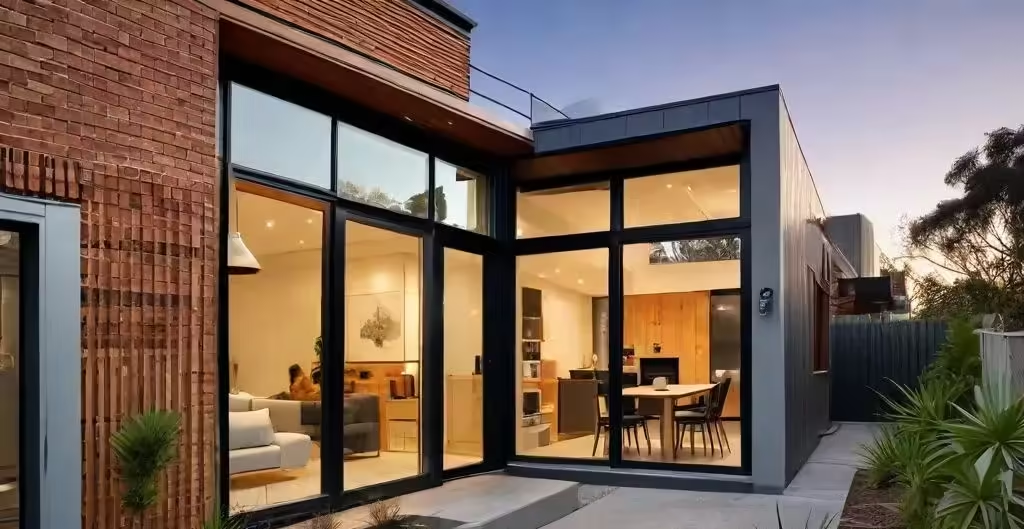
Energy efficient homes are now a mainstream expectation in the Melbourne housing market – driven by rising energy costs, climate pressure, and buyers who ask about running costs before finishes.
The best energy efficient homes in Melbourne pair strong architectural style with serious sustainability credentials. This guide covers the nine design moves that matter most.
1. Smart Thermostats and Home Automation
Smart thermostats learn your routine: they wind back heating and cooling when you are out and have the house comfortable before you return. Many models now integrate with solar and battery systems, so you can shift heavy loads to cheap or self-generated power.
2. High Star-Rated Appliances
Choose high star-rated appliances – a 4-star fridge and a water-efficient washing machine quietly cut power and water bills for a decade or more. For example, check the Energy Rating Label and the WELS water rating when comparing models.
3. Sustainable Building Materials
However, materials matter as much as systems. Recycled steel, reclaimed timber and sustainably sourced products cut embodied carbon – and they perform well in Melbourne’s climate. If you want to compare products properly, ask your builder for Environmental Product Declarations.
4. Passive Solar Orientation
Orientation does heavy lifting for free: living areas and glazing placed to capture northern sun – with eaves for summer shade – slash heating and cooling loads before you spend a dollar on tech. In Melbourne’s temperate climate, north-facing living areas with correctly sized eaves are the single biggest passive win.
5. Water-Saving Fixtures and Rainwater Tanks
Rainwater tanks plumbed to toilets, laundry and garden cut mains water use substantially. Pair them with low-flow showerheads, taps and dual-flush toilets, and you have water efficiency covered in two moves – a smart choice where supply can be limited.
6. Thermal Efficiency
Thermal performance sits at the heart of every energy efficient home. Today’s high-performance windows have low thermal transmittance (low U-values). Combined with airtight construction and high thermal mass materials such as stone and concrete, they help maintain steady indoor temperatures. These are the same principles behind high NatHERS star ratings.
As a result, heating and cooling systems run far less often – cutting energy use while lifting comfort.
7. Innovative Ventilation Systems
Modern Melbourne homes use state-of-the-art ventilation to deliver fresh air without compromising comfort. Heat recovery ventilators, for example, capture warmth from outgoing stale air and use it to pre-heat incoming fresh air. That lowers heating demand and takes load off your split-system air conditioning.
Controlled ventilation like this keeps indoor air healthy, especially in today’s tightly sealed homes where draughty air leaks are designed out.
8. Multi-functional Spaces
As population density rises, making the most of space in large urban areas has become essential. Flexible rooms once set aside as offices or playrooms can now double as dressing rooms or guest bedrooms.
This approach maximises the use and comfort of every square metre. It therefore adapts to residents’ changing schedules without the architecture needing a redesign.
9. Advanced Insulation Techniques
Insulation is one of the most important factors in an energy-efficient home. Beyond traditional fibreglass batts and foam boards, newer options such as spray foam insulation, reflective barriers and structural insulated panels are becoming common.
These materials resist heat flow far better than older options. Consequently, they keep indoor temperatures steadier and energy consumption lower.
Final Thoughts on Energy Efficient Homes in Melbourne
It is clear from home designs in Melbourne that the future of housing blends practicality, aesthetics and sustainability. Thanks to genuine commitment to environmental principles and advances in modern technology, the city’s architects and builders are creating homes that are comfortable to live in and kinder to the planet.
These homes are more than safe havens – they are healthy, adaptable environments that respond to the way we live. As Melbourne keeps growing, these sustainable practices will help keep the city liveable, resilient and vibrant.
Planning an energy-efficient build or renovation? Start with our guide to home renovations in Melbourne, then explore the nine design moves above with your designer or builder.
Related: Custom Home Design Melbourne: Why Design and Construction Under One Roof Changes Everything