
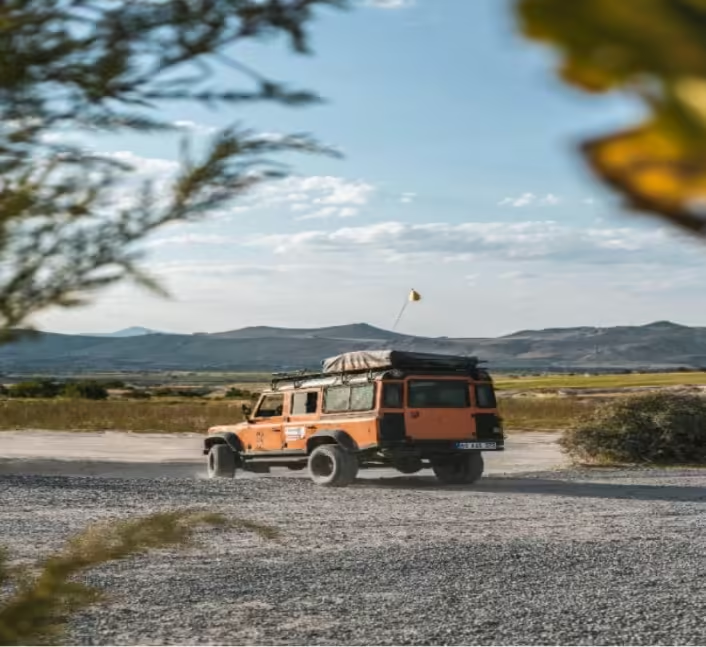
For those seeking to improve the versatility and comfort of their 4×4, an awning is a worthwhile addition. Whether you are a seasoned off-roader or take short trips now and then, choosing the right awning can enhance your outdoor experience. The two most popular types are 180° and 270° awnings. They work in different ways, so it helps to understand the differences before buying. This comparison covers the key features, benefits and trade-offs of each.
A 4×4 awning is a versatile accessory for off-road vehicles that provides shade and shelter for camping, cooking and relaxing. It adds comfort and protection against sun, wind and rain.
Understanding 180° and 270° Awnings
180° Awnings
As the name suggests, 180 awnings extend from the side of the vehicle to cover about half the surrounding area. They are usually mounted on the roof rack and unfold to provide shade along one side. Their compact design suits tidier setups and smaller vehicles.
270° Awnings
270° awnings wrap around the side and rear of the vehicle, creating a three-quarter circle of cover. This larger footprint is favoured by overlanders and anyone who values maximum shade and usable space.
Coverage and Shelter
180° awnings suit narrow campsites and streamlined setups. They provide enough shade for small to medium groups for meals and breaks, but only cover one side of the vehicle, which can feel limiting for larger groups.
270° awnings offer much wider cover, sheltering the side and rear of the vehicle. There is room for cooking, dining and relaxing, and more people and gear fit underneath, which suits family trips and longer stays.
Ease of Setup and Use
180° awnings are generally straightforward to set up. Most use a simple folding mechanism with telescopic poles or vehicle support. The compact design is easier to manage and store, and less likely to catch the wind.
270° awnings take a little more effort due to their size and support structure. They often need multiple poles and guy ropes, and setup can be trickier in windy conditions. With practice, most users manage them solo.
Versatility
180° awnings are simple and easy to use, which makes them a good all-rounder for day trips and overnight stops. 270° awnings offer extra versatility for longer stays, with the wide cover doubling as a base camp for cooking and socialising.
Durability and Materials
Durability varies with materials and build quality. Most 180° awnings use ripstop canvas or polyester with sturdy frames. 270° awnings need to withstand more stress due to their size, so look for reinforced arms, quality fabric and reliable mounting hardware. Serious off-roaders and frequent campers should prioritise build quality over price.
Cost Considerations
180° awnings are generally cheaper than 270° models because they are smaller and simpler. 270° awnings cost more due to their size, materials and engineering. Consider how often you will use the awning and what coverage you actually need before deciding.
Which Awning Should You Choose?
Choose a 180° awning if you want a simple, affordable and easy-to-manage setup for day trips and short stays. Choose a 270° awning if you need maximum cover for longer trips, larger groups or base-camp comfort. Either way, check the mounting compatibility with your roof rack and the quality of the fabric and frame before buying.
Frequently Asked Questions
Can one person set up a 270° awning?
Yes, with practice. Most 270° awnings can be set up solo, though an extra pair of hands helps in windy conditions.
Do awnings fit any 4×4?
Most awnings mount to a roof rack or roof bars. Check the mounting system and weight limits for your specific vehicle and rack.
Are 270° awnings worth the extra cost?
They are worth it if you camp often, travel with a group, or want a comfortable base camp. For occasional day trips, a 180° awning is usually enough.
How do I maintain a 4×4 awning?
Keep the fabric clean and dry before packing it away, check poles and hinges for wear, and store it out of prolonged direct sun when not in use.