
Introduction
In the quiet town of Williamston, North Carolina, the mysterious death of a young man has haunted the community and his family for more than three decades. On 8 July 1991, the body of 27-year-old Douglas Wagg Jr. was found alongside a desolate stretch of railroad tracks just outside the small town. The circumstances of his death remain unsolved, shrouded in mystery and suspicion. For over 35 years, questions have lingered: how did he end up there? What caused his death? Was it a tragic accident, or did something more sinister happen?
This article looks at the life and premature death of Douglas Wagg Jr., examining the known facts of the case, his family’s ongoing search for answers, and the broader implications of unresolved mysteries in small-town America.
A Brief Glimpse into Douglas Wagg Jr.’s Life
Before his untimely death, Douglas Wagg Jr. was described as a kind-hearted, hardworking young man with a bright future ahead of him. Born in 1964, Doug was a native of Williamston, North Carolina, a small town where everyone seemed to know everyone else. His family remembers him as a man of simple pleasures, with a close circle of friends and a deep sense of loyalty to those he loved. Little was documented about his childhood, but those who knew him describe someone full of promise, eager to make a name for himself in the world.
Doug came from a family that valued hard work, integrity, and community. His friends and relatives paint a picture of a young man who, while quiet and reserved, had an unmistakable charisma that made him well liked in his community. He was not one to seek out trouble, and his life leading up to July 1991 had been largely uneventful.
It is precisely because of his ordinary, peaceful life that the circumstances of his death have baffled those closest to him. For someone with no known enemies, no history of violence or illegal activity, and a seemingly positive outlook on life, his sudden death left a lasting wound in the hearts of those who knew him best.
The Fateful Day: 8 July 1991
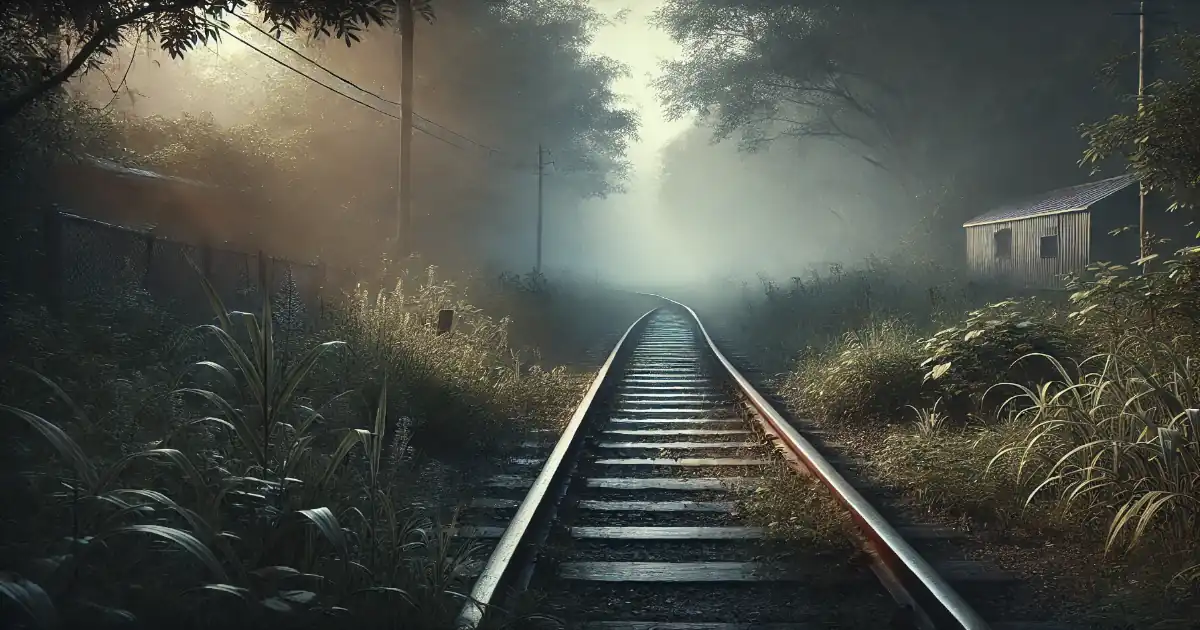
The discovery of Doug Wagg Jr.’s body on the morning of 8 July 1991 sent shockwaves through Williamston. His body was found lying on a remote stretch of railroad tracks bordering the town, a place Doug was not known to frequent. The discovery raised immediate concerns among police and the local community.
Initial reports suggested that Doug’s death could have been the result of a train accident. After all, his body was found on active railroad tracks, suggesting he may have been struck by a passing train. However, as investigators began examining the scene in detail, questions started to emerge.
The autopsy found injuries consistent with a train impact. Yet it also uncovered several troubling inconsistencies. There were no signs of defensive wounds or any clear indication that Doug had tried to move out of the way of the train. Toxicology reports came back inconclusive, with no drugs or alcohol in his system that might have impaired his judgement. The coroner’s report stopped short of ruling the death an accident, leaving the door open to other possibilities.
Theories and Speculations: Accident, Suicide, or Foul Play?
From the start, there has been no shortage of theories surrounding Doug Wagg Jr.’s death. In the absence of definitive answers, several explanations have emerged over the years.
The Accident Theory
One of the earliest theories put forward by investigators was that Doug’s death was a tragic accident. Perhaps he was disoriented or distracted, wandered onto the tracks late at night, and was struck by an oncoming train. However, this explanation never sat well with those who knew him. Doug was not known to walk near the tracks, and the remoteness of the location was out of character for him.
Moreover, Doug’s body was found in a position suggesting he was lying on the tracks, not walking across them. How he came to be in that position is one of the central mysteries of the case.
The Suicide Theory
Some investigators briefly considered whether Doug may have taken his own life by deliberately placing himself on the tracks. However, this theory was quickly dismissed by those closest to him. Doug’s family and friends were adamant that he had no history of depression or suicidal tendencies.
He had never shown signs of distress, and there was no evidence to suggest he was in a low state of mind at the time of his death. His life, though simple, appeared to be on a steady, positive course.
The Foul Play Theory
The most persistent theory surrounding Doug’s death is that foul play was involved. Many believe Doug may have been the victim of a crime and that his body was placed on the tracks to conceal the true cause of death. Supporters of this theory point to the lack of clear evidence supporting either an accident or suicide, as well as the unusual circumstances of his final moments.
Doug’s family has long believed that someone else was involved in his death. Over the years, they have raised concerns about the thoroughness of the initial investigation, arguing that certain leads were not properly pursued and that local authorities may have been too quick to label the death an accident.
The Family’s Pursuit of Justice
For the Wagg family, the search for answers has been a long and painful journey. Doug’s death left an indelible mark on his loved ones, who have spent over 35 years trying to piece together what happened on that fateful night. Despite the passage of time, the family’s determination has never wavered.
Doug’s mother and siblings have been vocal about their frustration with the investigation, repeatedly calling for the case to be reopened. They have sought help from private investigators, media outlets, and legal experts in their quest to uncover the truth. Each new development, however small, has reignited their hope that justice for Doug might someday be within reach.
One of the most significant developments in recent years has been the rise of true crime media. As podcasts and documentaries devoted to unsolved mysteries gained popularity, Doug’s case attracted the attention of journalists and investigators.
CounterClock Podcast: Bringing the Case Back to Light
In 2024, CounterClock, a true crime podcast hosted by Delia D’Ambra, devoted its sixth season to the mystery surrounding Doug Wagg Jr.’s death. The podcast, which specialises in revisiting cold cases, offered a fresh perspective on the investigation and aimed to uncover new leads. Through interviews with Doug’s family, local law enforcement, and expert analysts, CounterClock brought renewed attention to the case.
D’Ambra’s investigative work has shed light on overlooked aspects of the case, including discrepancies in witness statements and possible motives for foul play. The podcast has inspired a new generation of armchair detectives to engage with the case, raising awareness and renewing calls for justice.
The Larger Implications: Unsolved Mysteries in Small-Town America
Doug Wagg Jr.’s case is not an isolated incident. Across America, countless deaths and disappearances remain unsolved, many of them forgotten as time passes. In small towns like Williamston, where resources are limited and law enforcement agencies often lack the funding or expertise to investigate complex cases thoroughly, tragedies like Doug’s can slip through the cracks.
For the families of victims, the emotional toll of an unsolved case is immeasurable. The lack of closure, the constant questioning about what really happened, and the nagging suspicion that justice has not been served can weigh heavily on those left behind. Doug’s family is just one of many across the United States that continues to fight for answers against formidable odds.
Conclusion: A Search for Closure
As of 2026, the death of Douglas Wagg Jr. remains unsolved. The questions surrounding his final hours — how he ended up on the tracks, what caused his death, and who, if anyone, was responsible — continue to haunt his family and the town of Williamston. With the renewed interest generated by the CounterClock podcast and the unwavering determination of Doug’s loved ones, there is hope that answers will eventually come to light.
For now, Doug’s story stands as a powerful reminder of the importance of persistence in the pursuit of justice. His family’s fight for the truth is a testament to their enduring love for him and their refusal to let his memory fade.
Frequently Asked Questions
What happened to Douglas Wagg Jr.?
Douglas Wagg Jr. was found dead on railroad tracks in Williamston, North Carolina, in 1991. His death has remained unsolved for over 35 years.
Was foul play suspected in Douglas Wagg Jr.’s death?
Many believe foul play could have been involved, but the authorities never conclusively determined the cause of death.
How has Douglas Wagg Jr.’s family responded to his death?
His family has actively sought justice, pushing for further investigations and raising awareness of the case.
What role does the CounterClock podcast play in the case?
CounterClock revisited the case in its sixth season, uncovering new leads and shedding light on previously overlooked aspects.
Why is the case of Douglas Wagg Jr. still unsolved?
Due to a lack of conclusive evidence and shortcomings in the initial investigation, the exact circumstances of his death remain a mystery.
Is there hope of solving Douglas Wagg Jr.’s case after 35 years?
With renewed media attention and his family’s ongoing efforts, there remains hope that the mystery may eventually be solved.