
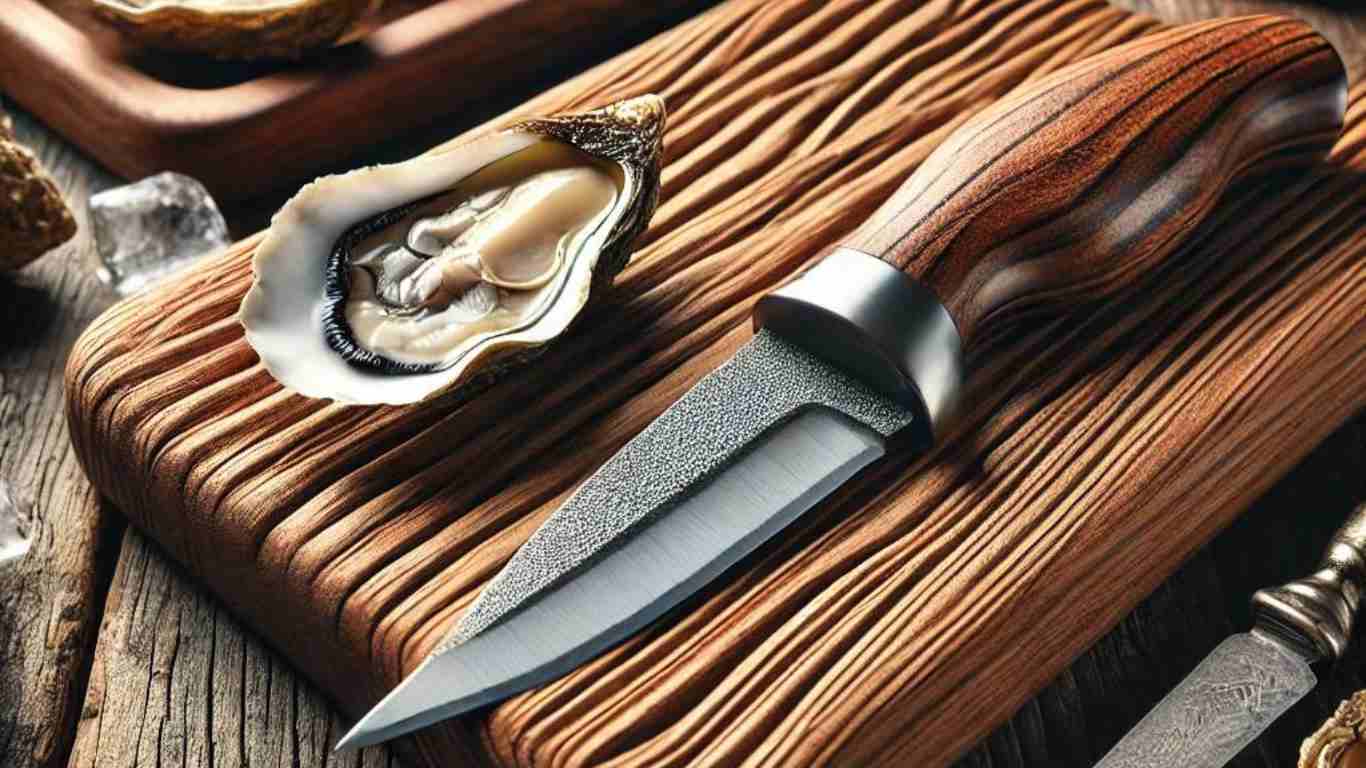
Seafood Utensils: Australians love their seafood — from Christmas prawns and Sydney rock oysters to a feed of fish and chips by the water. But cracking, shucking, scaling and filleting all go far better with the right tools. This guide covers the essential seafood utensils, what each one does and how to use it, so your next seafood feast is effortless. For the everyday basics, see our essential guide to cooking utensils.
Introduction
Eating seafood is one of life’s great pleasures, but it comes with practical challenges — a standard dinner knife won’t crack a lobster claw or pry open an oyster. Specialised seafood utensils exist for exactly these jobs, making preparation safer, faster and far less frustrating. Below we break down the key tools, how to use each one, and which are worth adding to your kitchen.
Lobster Crackers and Picks
Lobster is a premium seafood, but its hard shell stands between you and the sweet meat inside. Lobster crackers and picks solve that problem neatly.
Lobster Crackers
Lobster crackers — also called lobster pliers — are sturdy metal tools that crack through lobster and crab shells. They work like nutcrackers, with serrated edges that grip the shell so it breaks cleanly instead of shattering.
How to Use Lobster Crackers
1. Grip the Shell: Position the cracker across the lobster claw or a section of shell.
2. Apply Pressure: Squeeze the handles together firmly until the shell cracks.
3. Extract the Meat: Use a lobster pick or fork to lift the meat from the cracked shell.
Lobster Picks
Lobster picks are slim, pointed tools for extracting meat from the narrow crevices of lobster shells — the spots crackers can’t reach.
How to Use Lobster Picks
1. Insert the Pick: Slide the pointed end of the pick into the cracked shell.
2. Scoop the Meat: Gently scoop or pull the meat out.
3. Enjoy: Dip the lobster meat in melted butter or your favourite sauce.
Oyster Shuckers
Oysters are most often enjoyed raw on the half shell, but opening them without the right gear is asking for trouble.
Oyster Shucking Knife
An oyster shucking knife is a short, stout knife with a pointed tip, designed specifically to lever oyster shells apart without damaging the oyster inside.
How to Use an Oyster Shucking Knife
1. Grip the Oyster: Hold the oyster firmly with a folded tea towel or a protective glove.
2. Insert the Knife: Work the tip of the knife into the hinge at the back of the shell.
3. Twist and Pry: Twist to pop the hinge, then slide the blade along the top shell to cut the muscle.
4. Remove the Top Shell: Lift off the top shell and detach the oyster from the bottom shell.
Oyster Shucking Board
An oyster shucking board gives you a stable surface for shucking, usually with a clamp or groove that holds the oyster still and keeps your fingers clear of the blade.
How to Use an Oyster Shucking Board
1. Place the Oyster: Seat the oyster in the groove or clamp.
2. Shuck the Oyster: Use the shucking knife as described above.
3. Safety First: Keep your hands well clear of the blade at all times.
Crab Mallets and Seafood Scissors
Crabs need their own toolkit — the shells are too tough for ordinary cutlery, but the meat inside is delicate. Crab mallets and seafood scissors handle the job.
Crab Mallets
Crab mallets are small wooden hammers that crack crab shells open without crushing the delicate meat inside.
How to Use Crab Mallets
1. Position the Crab: Place the crab on a sturdy, non-slip surface.
2. Tap the Shell: Tap firmly with the mallet until the shell cracks.
3. Extract the Meat: Use a crab pick or your fingers to remove the meat.
Seafood Scissors
Seafood scissors have curved blades that cut through crab legs and lobster shells cleanly.
How to Use Seafood Scissors
1. Insert the Scissors: Slide the tips of the scissors into the shell.
2. Cut Along the Shell: Cut along the shell to open it up.
3. Remove the Meat: Open the shell and lift the meat out.
Fish Scalers and Fillet Knives
Preparing whole fish usually means scaling and filleting — two jobs that call for dedicated tools.
Fish Scalers
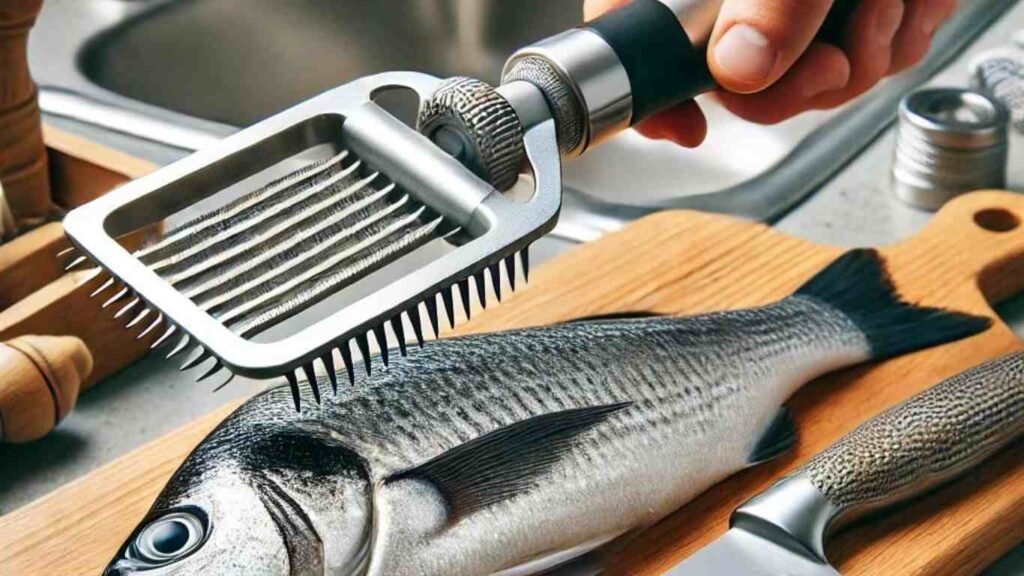
Fish scalers strip scales off quickly and cleanly, from simple handheld scrapers to electric models.
How to Use Fish Scalers
1. Hold the Fish: Grip the fish firmly by the tail.
2. Scrape the Scales: Draw the scaler from tail to head, working against the grain of the scales.
3. Rinse the Fish: Rinse the fish under cold water to wash away loose scales.
Fillet Knives
Fillet knives are long, thin, flexible knives made for filleting fish — the flexible blade follows bones and skin for clean, precise cuts.
How to Use a Fillet Knife
1. Make the Initial Cut: Cut behind the gills, down to the backbone.
2. Separate the Fillet: Run the knife along the spine to free the fillet.
3. Remove the Skin: Hold the skin at the tail end and slide the knife between skin and flesh.
Shrimp Deveiners and Peelers
Prawns are an Aussie favourite, but they usually need peeling and deveining before cooking.
Shrimp Deveiners
A shrimp deveiner removes the vein running along the back of the prawn. It typically has a pointed tip to open the shell and a curved edge to lift the vein out.
How to Use a Shrimp Deveiner
1. Insert the Deveiner: Slide the pointed tip under the shell, along the back of the prawn.
2. Lift the Vein: Lift and remove the vein.
3. Peel the Prawn: Peel off the shell if you prefer.
Shrimp Peelers
Shrimp peelers make peeling faster and easier, often combining peeling and deveining in a single tool.
How to Use a Shrimp Peeler
1. Insert the Peeler: Slide the peeler under the shell along the back of the prawn.
2. Peel and Devein: Pull through in one motion to remove shell and vein together.
3. Rinse the Prawns: Rinse the peeled prawns in cold water.
Clam and Mussel Knives
Clams and mussels are bivalves with tightly shut shells — opening them calls for a purpose-built knife.
Clam Knives
Clam knives have a thin, flat blade designed to slip between clam shells and release the hinge.
How to Use a Clam Knife
1. Grip the Clam: Hold the clam firmly in a folded tea towel or glove.
2. Insert the Knife: Work the blade between the shells at the hinge.
3. Twist and Cut: Twist to pop the shell open, then cut the muscle to separate the shells.
Mussel Knives
Mussel knives are similar to clam knives but smaller and more delicate, suited to mussel shells.
How to Use a Mussel Knife
1. Grip the Mussel: Hold the mussel firmly.
2. Insert the Knife: Slide the knife into the hinge of the shell.
3. Open and Clean: Open the shell and clean the meat as needed.
Sushi and Sashimi Knives
Sushi and sashimi demand precise cuts of raw fish, which is where specialist Japanese knives come in.
Sushi Knives
Sushi knives (sushikiri) are designed for slicing sushi rolls and ingredients, usually with a single-bevel edge for exact cuts.
How to Use a Sushi Knife
1. Slice the Ingredients: Use long, smooth strokes to slice fish, vegetables and other fillings.
2. Cut the Rolls: Cut rolls into bite-sized pieces with clean, single strokes.
Sashimi Knives
Sashimi knives (yanagiba) are long, slender knives made for slicing raw fish into thin, even pieces.
How to Use a Sashimi Knife
1. Prepare the Fish: Place the fish on a stable cutting board.
2. Make Thin Slices: Draw the knife through the fish in long strokes for sashimi slices.
Conclusion
The right seafood utensils turn fiddly jobs — cracking lobster, shucking oysters, scaling fish — into quick, safe work. From lobster crackers and oyster shuckers to fish scalers and sashimi knives, each tool earns its place by making seafood preparation easier and the eating more enjoyable. Invest in the few you will use most, learn the proper technique, and your next seafood feast will be the best one yet.
FAQs about Seafood Utensils
What are lobster crackers and picks?
Lobster crackers and picks are the essential tools for extracting meat from lobster and crab shells. Crackers work like nutcrackers to break through rigid shells, making the meat easy to reach. Picks are slim, pointed tools that get into the narrowest crevices so none of the meat goes to waste. Using the proper tools is faster and much safer than attacking shells with regular cutlery.
How do you use an oyster-shucking knife?
Hold the oyster firmly in a folded tea towel or wear a protective glove so it can’t slip. Work the pointed tip of the knife into the hinge, twist to pop it open, then slide the blade along the top shell to sever the muscle. Remove the top shell and carefully detach the oyster from the bottom shell. Always respect sharp knives and hard shells.
What are the differences between crab mallets and seafood scissors?
Crab mallets and seafood scissors serve different purposes. Mallets are small wooden hammers that crack hard shells without crushing the delicate meat — ideal for crab legs and claws. Seafood scissors have curved blades for cutting precisely through crab legs and lobster shells, giving clean access to the meat.
What are the advantages of fish scalers?
A fish scaler is designed to remove scales quickly and effectively, with three clear advantages:
– Efficiency: It removes scales faster than a knife, especially on larger fish.
– Safety: It reduces the chance of slipping and cutting yourself, which can happen with a knife.
– Cleanliness: It helps contain scales, stopping them scattering all over the kitchen.
Fish scalers come in various designs, from simple handheld scrapers to electric models.
Why is a fillet knife important for preparing fish?
A fillet knife’s long, thin, flexible blade allows precise cuts along the bones and skin. That means:
– Precision: Clean, accurate cuts that maximise meat yield.
– Control: Easy manoeuvring around the bones without damaging the fillet.
– Efficiency: Fast, effective filleting — especially valuable in a professional kitchen.
The result is beautiful, clean fillets with the skin removed neatly.
How do shrimp peelers and deveiners work?
A shrimp deveiner has a pointed tip to open the shell and a curved edge to extract the vein. Insert the tip under the shell along the back of the prawn, lift the vein away, then peel the shell if you like. Shrimp peelers combine peeling and deveining in one tool — insert under the shell and pull through in a single motion. Both make prawn prep faster and more hygienic.
What is the purpose of a clam knife, and how is it used?
A clam knife has a thin, flat blade designed to open clam shells without damaging the delicate meat. Hold the clam securely in a tea towel or glove, insert the blade between the shells at the hinge, and twist to pop it open. Then slide the blade along the shell to cut the muscle and lift the meat out.
What makes sushi and sashimi knives different from regular kitchen knives?
Three features set them apart:
– Single-bevel edge: Allows exceptionally precise cuts and finer slices.
– Long, thin blades: Slice in one continuous motion without tearing.
– Extreme sharpness: Protects the texture of delicate raw fish.
Together they deliver the clean cuts that sushi and sashimi presentation demands.
Are there any safety tips for seafood utensils?
Yes — a few sensible precautions go a long way:
– Use the right tool: Match the utensil to the job to avoid damage and injury.
– Protective gear: Wear gloves or grip slippery seafood with a tea towel.
– Sturdy surface: Work on a solid, non-slip surface to prevent accidents.
– Proper technique: Learn the correct technique for every utensil.
– Keep knives sharp: A sharp knife needs less pressure and is less likely to slip.
What are the benefits of using specialised utensils for seafood?
The benefits of using specialised utensils for seafood include:
– Efficiency: Each tool performs its task quickly, saving time and effort.
– Precision: Cleaner cuts and extractions, so you get the most out of your seafood.
– Safety: The right tools reduce injury risk compared with improvising.
– Enhanced experience: Proper tools make seafood prep and eating more enjoyable.
– Professional results: Achieve restaurant-quality presentation at home.