
Finding Mini Crossword Answers
Overview of Mini Crosswords
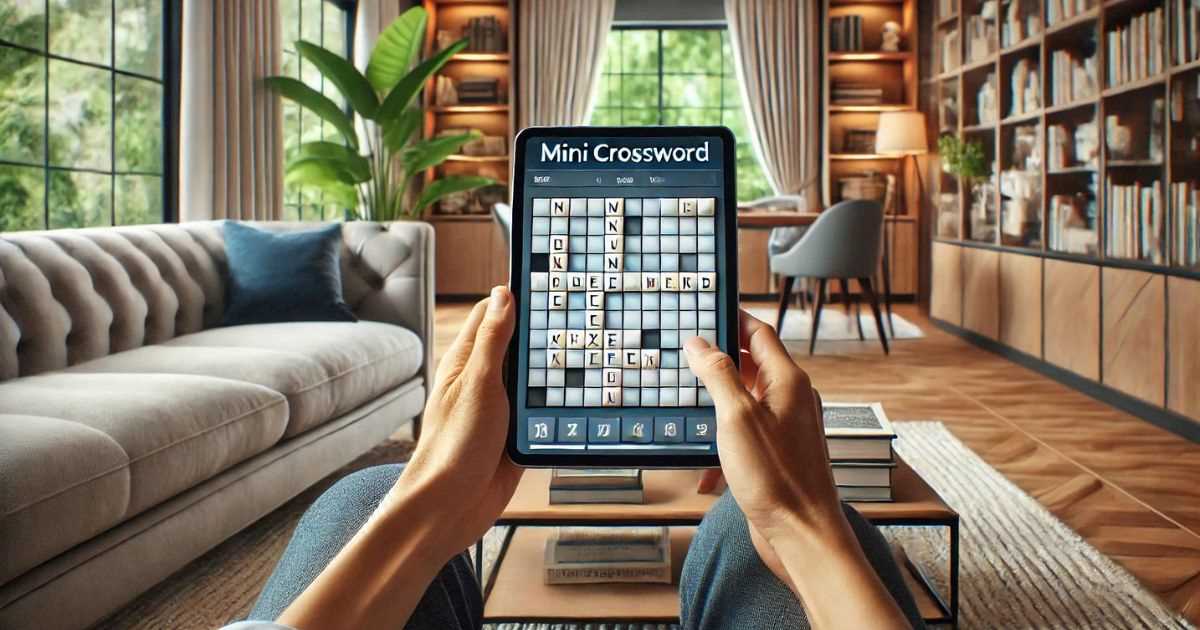
Mini crosswords are a popular variation of traditional crossword puzzles, designed to be smaller and more accessible. Typically consisting of a 5×5 or 7×7 grid, mini crosswords offer a compact but engaging challenge compared to their larger counterparts.
The concept behind mini crosswords is to condense the intricate puzzle experience into a more manageable format. While standard crosswords can feature grids of 15×15 or larger, mini crosswords focus on providing similar intellectual stimulation within a smaller grid. This makes them ideal for quick brain exercises and a great way for enthusiasts to sharpen their skills in less time.
One of the key differences between mini and standard crosswords lies in their complexity and size. Standard crosswords often have more complex clues and a greater variety of answers, which can range from straightforward definitions to elaborate wordplay. Mini crosswords, on the other hand, typically feature simpler clues and more straightforward answers, making them accessible to both novice solvers and experienced puzzle fans.
Importance of Solving Mini Crosswords
Engaging with mini crosswords offers several cognitive benefits. Regularly solving these puzzles can enhance problem-solving skills, improve vocabulary, and boost overall mental agility. The brevity of mini crosswords means they provide a concentrated mental workout, which can be particularly beneficial for those who have limited time but still want to engage in intellectual challenges.
Moreover, mini crosswords are widely accessible. Many newspapers, magazines, and digital platforms feature these puzzles, making them easy to find and solve. Their popularity has surged with the rise of mobile apps and online crossword communities, where enthusiasts can solve and share mini crosswords from anywhere in the world.
Understanding Mini Crosswords
Structure of a Mini Crossword
Mini crosswords are characterised by their compact size. The most common grid sizes are 5×5 and 7×7. These grids are designed to accommodate a set number of words both across and down, with the answers intersecting to form a cohesive puzzle.
Grid Size Variations
- 5×5 Grids: These are the most common mini crosswords, providing a concise challenge with 25 squares. Each puzzle typically contains a mix of across and down clues that interconnect in a smaller space.
- 7×7 Grids: Slightly larger, these grids offer a bit more complexity with 49 squares. They allow for a greater variety of clues and answers while still maintaining the mini crossword’s quick-solving nature.
Typical Layout and Design
The layout of a mini crossword involves filling a grid with words based on given clues. Each word must fit within the specified number of squares, and intersecting words share common letters. The design often includes a mix of straightforward and cryptic clues, making the puzzle both engaging and solvable within a short time frame.
Types of Mini Crosswords
Standard Mini Crosswords
These are the most common types, featuring a mix of simple definitions and straightforward clues. They are designed to be solved quickly and provide a satisfying challenge without overwhelming the solver.
Themed Mini Crosswords
Themed mini crosswords incorporate a specific theme or subject. For instance, a puzzle might centre around a holiday, a particular event, or a pop culture reference. The theme adds an extra layer of interest and can make the solving experience more enjoyable.
Daily/Weekly Mini Crosswords
Many publications and apps offer daily or weekly mini crosswords. These puzzles often follow a set schedule and may feature recurring themes or styles. Regularly solving these can help solvers develop a routine and improve their crossword-solving skills over time.
Basic Strategies for Solving Mini Crosswords
Reading the Clues
Types of Clues
- Definitions: These are the most straightforward, where the clue is a synonym or direct definition of the answer. For example, a clue might be “a large body of water” for “OCEAN.”
- Synonyms: Similar to definitions, these clues require solvers to identify words with similar meanings. An example might be “happy” for “ELATED.”
- Wordplay: Some clues involve puns or wordplay, adding an element of challenge. For example, “a type of tree that is also a shape” might lead to the answer “OAK.”
Identifying Common Clue Types
Understanding common clue types can streamline the solving process. Familiarising oneself with patterns and typical clues can help in quickly deducing answers.
Filling in the Grid
Starting with Known Letters
Begin by filling in any answers you are confident about. Known letters from solved clues can help in deducing intersecting words.
Using Crossing Words
Crossing words can provide hints for filling in the grid. The letters shared between across and down answers can help infer missing letters and complete the puzzle.
Common Techniques
Look for Easy Fills
Start with the most straightforward clues. Filling these first can provide a foundation for solving more challenging clues.
Use Word Patterns and Letter Frequencies
Pay attention to common word patterns and letter frequencies. For example, certain letters like “E” and “T” are more frequently used and can help in filling out answers.
Check for Common Prefixes and Suffixes
Recognising common prefixes and suffixes can assist in solving clues. For example, if a clue ends with “ing,” it’s likely the answer will be a verb in the present participle form.
Advanced Techniques and Tips
Solving Themed Mini Crosswords
Understanding Theme Clues
When dealing with themed mini crosswords, identify the theme early on. Understanding the theme can provide context and make solving related clues easier.
Applying Thematic Knowledge
Use your knowledge of the theme to solve related clues. For instance, if the theme is “sports,” clues might be related to various sports terms and events.
Using Crossword Solvers and Tools
Pros and Cons of Using Online Solvers
Online crossword solvers can be useful for finding answers quickly, but they can also diminish the solving experience. Use them as a tool rather than a crutch, and aim to solve puzzles independently.
Effectively Using Crossword Dictionaries
Crossword dictionaries can be valuable resources. They provide lists of common crossword answers and synonyms, helping you find the right word for a given clue.
Memorising Common Crossword Answers
Lists of Frequently Used Words
Certain words appear frequently in crosswords. Memorising these can improve your solving speed. Examples include short words like “ARE,” “THE,” and “AND.”
Tips for Remembering Tricky Answers
Create flashcards or lists to help remember challenging answers. Regular review and practice can reinforce your memory.
Common Challenges and How to Overcome Them
Dealing with Ambiguous Clues
Strategies for Interpreting Vague Clues
When faced with ambiguous clues, consider multiple meanings or wordplay. Break down the clue into components to better understand its intent.
Examples of Ambiguous Clues and Solutions
An example might be “a type of fruit or a type of cell” where “APPLE” fits both contexts. Practise with such clues to improve your interpretative skills.
Handling Unusual or Rare Words
Researching Uncommon Words
When encountering unusual words, take the time to research their meanings. Understanding less common vocabulary can enhance your crossword-solving ability.
Tips for Learning New Vocabulary
Expand your vocabulary by reading diverse materials and engaging with crossword puzzles. Regular exposure to new words can improve your problem-solving skills.
Overcoming Mental Blocks
Techniques for Staying Focused
If you hit a mental block, take a break and return with a fresh perspective. Approaching the puzzle with a clear mind can help resolve challenging parts.
Strategies for Breaking Through Mental Blocks
Try solving easier clues or working on a different section of the puzzle. Sometimes, a change of focus can help break through mental barriers.
Practice Makes Perfect
Finding Mini Crosswords to Practise
Sources for Practice
To truly excel at these puzzles, it’s crucial to practise regularly and diversify your sources. Here are several avenues where you can find puzzles to challenge yourself:
- Newspapers: Many newspapers feature puzzles in their daily or weekly puzzle sections. Major publications like The New York Times or The Guardian often include these smaller crosswords alongside their regular puzzles. These are a great way to practise as they are curated by experienced puzzle makers and often reflect current events or themes.
- Mobile Apps: There is a multitude of mobile apps dedicated to crossword puzzles, including the smaller ones. Apps such as NYT Crossword, Mini Crossword Puzzles, and Crossword Puzzle Free offer daily puzzles and a vast archive of past puzzles. These apps typically provide hints and solutions, which can be useful for learning and improving.
- Online Puzzle Websites: Websites like Crossword Puzzle Club, Puzzle Baron, and The Washington Post provide puzzles that you can solve online. These platforms often feature puzzles from various creators and offer a mix of difficulty levels. Online puzzles can be solved in your browser or downloaded for offline practice.
- Puzzle Magazines: Specialised puzzle magazines frequently include smaller crosswords as part of their regular content. Magazines such as Games Magazine and Crossword Magazine offer these puzzles along with other types. Subscribing to these magazines can provide a steady stream of puzzles to practise.
- Books: Crossword puzzle books often include sections specifically for smaller crosswords. These books are available at bookstores and online retailers and are a great way to have a collection of puzzles at your fingertips.
Recommended Books and Collections
Investing in books and collections dedicated to these smaller puzzles can significantly enhance your puzzle-solving skills. Here are some options to consider:
- Mini crossword collections: Look for collections ranging from easy to challenging puzzles, ideal for solvers of all skill levels with a structured approach to improving crossword-solving abilities.
- Busy-person mini crosswords: Compact books designed for those who want to fit crossword solving into a busy schedule, perfect for quick practice sessions.
- 100-puzzle mini crossword books: Books featuring around 100 puzzles with varying difficulty levels — an excellent choice for building a solid foundation.
- Daily mini crossword books: With puzzles for every day of the year, these provide a consistent practice routine for developing a daily solving habit.
- Easy mini crosswords: Collections focusing on simpler puzzles, a great resource for beginners or those who want to practise with less challenging clues.
Building a Crossword Solving Routine
Setting Aside Regular Practice Time
Creating a regular practice routine is essential for improving your skills in solving these smaller puzzles. Consistency is key to developing problem-solving abilities and becoming familiar with common clue types and patterns. Here’s how to establish a successful routine:
- Designate a Specific Time: Choose a time of day that works best for you, whether it’s in the morning with your coffee, during a lunch break, or before bed. Consistently practising at the same time each day helps build a habit.
- Set Realistic Goals: Determine how many mini crosswords you want to solve each week. Start with a manageable number, such as one puzzle a day, and gradually increase as you become more comfortable.
- Create a Dedicated Space: Designate a quiet, comfortable space for solving mini crosswords. Having a specific area where you can focus without distractions can enhance your concentration and enjoyment.
- Incorporate Variety: To keep your practice engaging, mix up your sources. Alternate between different apps, books, and online platforms to expose yourself to various styles and difficulty levels of mini crosswords.
- Join a Crossword Club: Consider joining a local or online crossword club where you can share puzzles, discuss strategies, and connect with other enthusiasts. Being part of a community can provide motivation and support.
Tracking Progress and Improvement
Monitoring your progress and reflecting on your performance is crucial for continuous improvement. Here’s how you can effectively track your progress and identify areas for growth:
- Maintain a Puzzle Journal: Keep a journal or digital record of the mini crosswords you’ve solved. Note the date, source, and any observations about the puzzles. Recording your completion times and difficulty levels can help you track improvements over time.
- Review Completed Puzzles: After solving a mini crossword, review the answers and clues. Analyse any mistakes or challenging areas to understand where you need to improve. This reflective practice helps reinforce learning.
- Measure Your Speed: Track how long it takes you to complete each puzzle. As you practise regularly, you should notice an improvement in your solving speed. Setting goals for faster completion times can provide additional motivation.
- Seek Feedback: If you’re part of a crossword community or club, seek feedback on your solving techniques. Engaging in discussions and sharing your experiences can offer valuable insights and alternative approaches.
- Celebrate Milestones: Recognise and celebrate your progress, whether it’s completing a challenging puzzle, improving your solving speed, or achieving a personal best. Celebrating milestones keeps you motivated and engaged in your practice.
By following these strategies and consistently practising mini crosswords, you’ll develop stronger problem-solving skills and a deeper appreciation for this enjoyable puzzle form.
Community and Resources
Joining Crossword Communities
Online Forums and Social Media Groups
Join online forums and social media groups dedicated to crosswords. Engaging with other solvers can provide support, tips, and a sense of community.
Local Crossword Clubs and Events
Participate in local crossword clubs or events. These gatherings offer opportunities to share experiences and improve your skills through collective solving.
Exploring Additional Resources
Books and Guides on Crossword Solving
Explore books and guides that offer strategies and tips for solving crosswords. These resources can provide valuable insights and techniques.
Educational Videos and Tutorials
Watch educational videos and tutorials that focus on crossword solving. Visual aids and step-by-step guides can enhance your understanding and skills.
Conclusion
Summary of Key Points
Mini crosswords offer a compact and engaging puzzle experience. Understanding their structure, employing effective problem-solving strategies, and utilising available resources can enhance your solving skills.
Encouragement for Solvers
Continue practising and exploring different types of mini crosswords. Embrace the challenge and enjoy the process of solving. Your skills will improve over time, making each puzzle a rewarding experience.
Additional Resources
Recommended Books and Guides
- “The Crossword Puzzle Dictionary” by the editors of Merriam-Webster
- “The New York Times Crossword Puzzle Dictionary” by Tom Pulliam and Clare Grundman
Useful Websites and Apps
- NYT Crossword App
- Crossword Puzzle Solver
- Mini Crossword Apps
Crossword Puzzle Communities and Forums
- Crossword Solver Forum
- Reddit Crossword Community
Whether you’re looking to enhance your problem-solving skills or simply enjoy a quick mental challenge, mini crosswords offer an engaging and rewarding experience.
Frequently Asked Questions (FAQs)
What is the best way to start solving a mini crossword?
The best way to start solving a mini crossword is by reading all the clues and identifying the easiest ones first. Look for short answers or clues that you are confident about. Filling in these answers will give you a foundation and provide letters for intersecting words, making it easier to deduce the remaining answers.
How can I improve my crossword-solving skills?
Improving your crossword-solving skills involves regular practice, expanding your vocabulary, and familiarising yourself with common crossword clues and patterns. Using various sources, such as newspapers, apps, and puzzle books, can expose you to different styles and difficulty levels. Joining crossword communities and discussing strategies with other solvers can also provide valuable insights and tips.
Are there any tools or resources that can help with solving mini crosswords?
Yes, several tools and resources can assist with solving mini crosswords. Crossword dictionaries, online solvers, and mobile apps can provide hints and solutions. However, it’s important to use these tools as learning aids rather than relying on them entirely. Practice and experience are key to becoming a proficient solver.
How often should I practise solving mini crosswords to see improvement?
Consistency is crucial for improvement. Aim to solve at least one mini crossword puzzle daily. Setting aside regular practice time helps develop problem-solving skills and increases familiarity with common clues. Tracking your progress and reflecting on completed puzzles can further enhance your abilities.
What should I do if I get stuck on a clue?
If you get stuck on a clue, try filling in other parts of the puzzle first. The letters from intersecting words can provide hints for the difficult clue. Additionally, consider different meanings of the clue and look for wordplay or puns. Taking a short break and returning to the puzzle with a fresh perspective can also help.
Are mini crosswords suitable for beginners?
Yes, mini crosswords are an excellent starting point for beginners. Their smaller grid size and simpler clues make them accessible and less intimidating than larger crosswords. They provide a quick and engaging way to develop crossword-solving skills and build confidence before tackling more challenging puzzles.