
Introduction to Clothing Store News
Overview of the Clothing Retail Industry
The clothing retail industry has been on a dynamic journey in recent years, driven by evolving consumer behaviours, technological advancement, and shifting market conditions. Artificial intelligence, augmented reality, and advanced data analytics have redefined how retailers interact with customers, while e-commerce platforms have grown exponentially, extending the shopping experience well beyond traditional brick-and-mortar stores. Social media and influencer culture have also played a significant role in shaping fashion trends and driving engagement.
Purpose of This Article
This clothing store news roundup covers recent developments across the sector — from new store openings and notable closures to innovative collaborations and sustainability efforts — offering insight into how these changes are reshaping the retail landscape.
Major Clothing Store Updates
New Store Openings
Notable New Entrants
Recent months have seen a wave of new entrants, with high-profile brands expanding their footprint. Luxury brand Gucci has opened new stores in emerging markets such as India and Southeast Asia, capitalising on growing demand for high-end fashion, while fast-fashion retailer Zara has expanded into smaller cities across Europe and North America, tapping into underserved markets.
Flagship and Concept Stores
Flagship and concept stores have become focal points for brands aiming to make a statement. Nike’s New York flagship features virtual fitting rooms and custom sneaker design stations, while Louis Vuitton’s collaboration with architect Frank Gehry produced a concept store blending cutting-edge design with luxury shopping — turning retail spaces into full brand experiences.
Store Closures and Downsizing
Companies Closing Stores
Department store chain Macy’s has announced the closure of several underperforming US locations, citing changing consumer habits, online competition, and economic uncertainty. Similarly, British retailer Marks & Spencer has closed stores in key markets, reflecting a broader trend of companies re-evaluating their physical footprints.
Downsizing Strategies
Many retailers are streamlining operations — closing underperforming stores, reducing staff, and reconfiguring supply chains. Gap Inc., for example, has announced widespread closures as part of a restructuring effort focused on its most successful brands. These moves affect local economies too, with job losses prompting wider discussion about regional support.
Recent Collaborations and Partnerships
Brand Collaborations
High-Profile Designer Partnerships
Collaborations such as Adidas with designer Yohji Yamamoto have produced limited-edition collections blending high fashion with sportswear, generating buzz and attracting fashion enthusiasts. These partnerships elevate brand credibility and reach new customer segments.
Celebrity and Influencer Collaborations
Partnerships like H&M with pop star Billie Eilish leverage massive social followings to create sell-out collections, proving influencers’ pivotal role in modern fashion marketing.
Retail and Tech Partnerships
Technology Integrations
Augmented reality and virtual fitting rooms — pioneered by brands like Sephora and ASOS — let customers visualise products before buying, tackling fit and sizing issues while delivering a more personalised shopping experience.
E-Commerce and Omnichannel Strategies
Retailers such as Nordstrom and Target blend online and offline shopping with buy-online-pick-up-in-store (BOPIS) and easy returns, meeting demand for convenience while strengthening customer engagement across touchpoints.
Sustainability and Ethical Practices
Eco-Friendly Initiatives
Sustainable Materials and Production
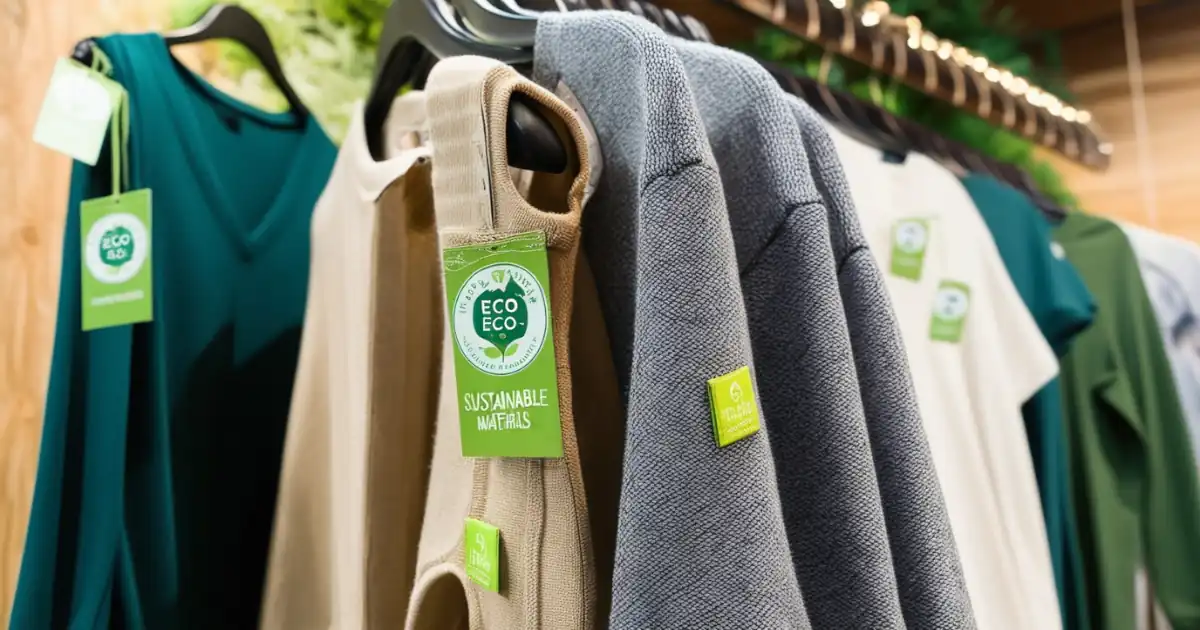
Brands like Patagonia and Stella McCartney lead with recycled materials and sustainable practices, while innovations in fabric technology — organic cotton and biodegradable materials — reduce production’s environmental impact.
Circular Fashion and Recycling Programmes
Take-back schemes and garment recycling programmes from brands like H&M and Levi’s extend clothing lifecycles and minimise landfill contributions, promoting a circular economy in fashion.
Ethical Labour Practices
Fair Trade and Labour Rights
Consumers increasingly demand transparency in supply chains. Organisations such as Fair Trade Certified and the Ethical Trading Initiative uphold labour standards, while brands prioritising these issues strengthen both reputation and equity in the industry.
Transparency and Certifications
Certifications like the Global Organic Textile Standard (GOTS) and the Fair Trade label give shoppers verified information about ethical and environmental credentials, helping responsible brands differentiate themselves.
Consumer Trends and Preferences
Emerging Fashion Trends
Popular Styles and Themes
Current trends include a resurgence of 1990s and early-2000s styles — oversized silhouettes, vibrant colours, nostalgic references — alongside a growing emphasis on comfort, functionality, and athleisure wear.
Shifts in Consumer Preferences
Shoppers increasingly prioritise comfort, sustainability, and personalisation. Tailored recommendations and customised products are becoming key differentiators for brands building stronger customer relationships.
Changes in Shopping Behaviour
Online vs In-Store Shopping
Online shopping keeps growing for its convenience, yet in-store retail remains relevant for the tactile experience of trying on clothing and instant purchases. Omnichannel strategies bridge the two seamlessly.
Personalised Shopping Experiences
AI and data analytics enable tailored product recommendations and customised marketing, improving satisfaction while driving sales and loyalty.
Financial Performance and Market Analysis
Financial Performance of Major Chains
Recent reports from companies like LVMH and H&M show a mixed picture — robust growth for some brands, challenges for others. Revenue growth, profitability, and same-store sales remain crucial performance indicators.
Market Segmentation and Consumer Demographics
Millennial and Gen Z consumers — who prioritise sustainability, personalisation, and digital engagement — are an increasing focus for brands. The competitive landscape spans luxury houses to fast-fashion giants, all refining pricing, differentiation, and marketing to hold market share.
Challenges and Opportunities
Industry Challenges
- Supply chain disruptions: trade tensions, transport delays, and raw material shortages have hit production schedules; retailers are diversifying suppliers and investing in supply chain technology.
- Economic factors: downturns and inflationary pressures squeeze consumer spending and profitability, demanding agile responses.
Future Opportunities
- Growth areas: emerging markets such as Southeast Asia and Africa, plus blockchain for supply chain transparency and VR for immersive shopping.
- Strategy: digital transformation, sustainability, and enhanced customer experiences are the pillars of long-term success.
Conclusion
Key Takeaways
Clothing store news is defined by new openings, innovative collaborations, and a growing focus on sustainability and ethics. As retailers adapt to evolving consumer preferences and market conditions, technology and shifting behaviours continue to shape the industry’s trajectory.
Future Outlook
The future of clothing retail promises continued transformation — dynamic, innovative, and rewarding for brands that stay agile and forward-thinking.
Frequently Asked Questions
What are the latest trends in clothing store openings?
High-profile brands are expanding into new international markets and developing interactive flagship stores with immersive, tech-driven features.
Why are some clothing stores closing or downsizing?
Closures stem from financial difficulties, changing market conditions, and the shift towards online shopping. Companies are re-evaluating their physical store networks accordingly.
How do brands benefit from designer and celebrity collaborations?
Collaborations boost visibility, attract new customer segments, and create exclusive, sought-after collections that drive sales and enhance brand image.
What technological innovations are being used in clothing retail?
Augmented reality, virtual fitting rooms, and advanced data analytics are making shopping more interactive and personalised.
How are retailers addressing sustainability and ethics?
Through sustainable materials, recycling programmes, ethical labour practices, and transparency certifications — meeting growing consumer demand for responsible fashion.
What are the current consumer preferences in clothing?
Comfort, sustainability, and personalisation lead: casual wear, eco-friendly clothing, and customised tech-enabled shopping experiences.