
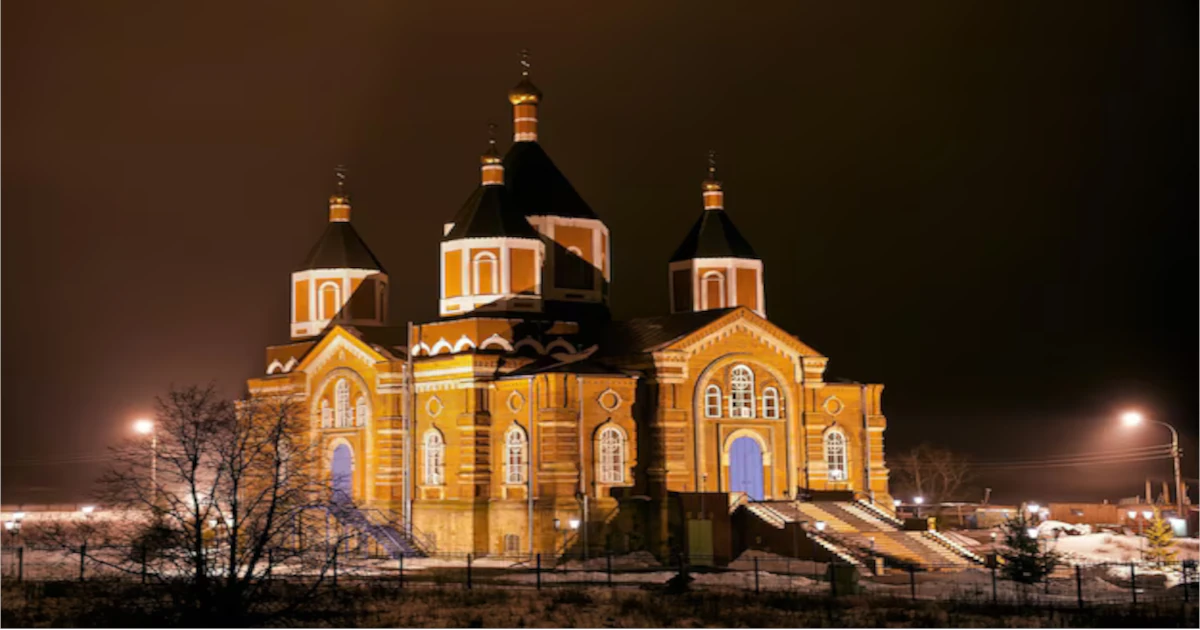
Introduction: Discover the Magnificent Epiphany Cathedral
The Epiphany Cathedral, one of the most iconic landmarks in its city, is a masterpiece that blends history, culture, and architectural grandeur. With its deep roots in religious significance and architectural brilliance, it stands as a testament to the devotion and craftsmanship that define many of the world’s most cherished religious sites. Whether you are a history enthusiast, an architecture lover, or simply someone with an appreciation for spiritual landmarks, the Epiphany Cathedral offers an unforgettable experience.
Churches dedicated to the Epiphany can be found in different parts of the world, and the name has become synonymous with religious heritage, attracting both pilgrims and tourists. Across nations, these cathedrals are not only places of worship but are central to the cultural fabric of their communities. This article explores the significance, history, and architectural elements of the Epiphany Cathedral, focusing on its role as a spiritual hub and architectural gem.
Historical Significance of Epiphany Cathedral
The name “Epiphany” holds great meaning in the Christian faith. The word Epiphany refers to the manifestation of Christ to the Gentiles, represented by the visit of the Magi — the Three Wise Men — to the infant Jesus in Bethlehem. The Feast of the Epiphany is celebrated every year on January 6, marking a momentous event in the Christian calendar. This gives the Epiphany Cathedral a unique spiritual significance as a place where believers and visitors alike are invited to contemplate the deeper meanings of faith and devotion.
Historically, many Epiphany cathedrals were constructed during times of profound religious and cultural awakening. Whether built as a center of devotion or as a symbol of political and religious authority, these cathedrals have stood the test of time, witnessing centuries of change in society, culture, and spirituality.
The Architecture of Epiphany Cathedral
The architecture of the Epiphany Cathedral is one of the primary attractions for visitors. It embodies a fusion of different architectural styles that evolved over time, with elements borrowed from Byzantine, Russian Orthodox, and classical traditions. The layout of most Epiphany cathedrals is designed to reflect the importance of divine worship, featuring a grand central nave, a high altar, and multiple chapels dedicated to various saints.
Exterior Design and Facade
The facades of Epiphany cathedrals often feature elaborate decorations, intricate carvings, and towering spires. In some instances, the facades are adorned with gold leaf, vibrant mosaics, or frescoes that tell stories from the Bible. These visual depictions are intended to elevate the spiritual experience of the faithful, bringing them closer to the divine through art.
Epiphany cathedrals in some regions, such as in the Russian Orthodox tradition, showcase onion domes — a signature element of Russian church architecture. These domes are not only visually striking but are said to symbolize the heavens and serve as a reminder of the presence of the divine.
Interior Design and Sacred Spaces
The interiors of Epiphany cathedrals are nothing short of awe-inspiring. Visitors are often struck by the towering columns, the shimmering chandeliers, and the stained glass windows that bathe the space in light. The iconostasis — the large screen separating the altar from the rest of the church — is a focal point in many Epiphany cathedrals. It features religious icons and images of saints, all painted with painstaking detail and often gilded with gold.
The altar area, or sanctuary, is where the clergy conduct their sacred duties, and its design often emphasizes reverence and solemnity. In the larger Epiphany cathedrals, there are often smaller chapels, each dedicated to different saints or aspects of Christian doctrine. These chapels allow worshippers to focus their prayers and devotion on specific themes.
Symbolism in Architecture
The architectural elements of Epiphany cathedrals carry deep symbolic meaning. The dome, for instance, often represents the heavens, while the central nave symbolizes the pathway to divine enlightenment. The use of vertical lines in the cathedral’s design is also symbolic, representing the connection between heaven and earth.
In some Epiphany cathedrals, the design incorporates elements from local cultures, blending religious symbolism with regional architectural styles. For instance, a cathedral in a Mediterranean area might include Romanesque or Renaissance influences, while a cathedral in Eastern Europe might emphasize Byzantine elements.
The Role of Epiphany Cathedral in Modern-Day Worship
Epiphany cathedrals continue to play an important role in the spiritual lives of many people around the world. While their physical beauty and grandeur are impressive, the true importance of these cathedrals lies in their role as centers of faith. Each year, during the Feast of the Epiphany, believers gather in these cathedrals to commemorate the arrival of the Three Wise Men and the revelation of Christ to the Gentiles.
In addition to being places of worship, these cathedrals also serve as cultural hubs. Many Epiphany cathedrals offer educational programs, host concerts, and provide spaces for community events. In some instances, they may even serve as the site of important civic ceremonies, such as national holidays or state functions.
Notable Epiphany Cathedrals Around the World
Epiphany cathedrals can be found in various parts of the world, each with its own architectural character and history. The examples below are often mentioned in travel and religious writing; because details vary between sources, it is worth checking local visitor information when planning a trip.
Epiphany Cathedral in Kazan, Russia
This cathedral is often described as one of the most famous in Russia. Said to date to the 19th century, the Kazan cathedral is reported to combine Russian Orthodox traditions with classical architectural elements, and is noted for its large dome, frescoes, and icons. It is also described in Russian history writing as a symbol of both religious devotion and national pride.
Epiphany Cathedral in Yekaterinburg, Russia
Located in the Ural Mountains, this cathedral is described as a major religious landmark in the city. According to local accounts, the original early-20th-century building was later reconstructed after the Soviet era, making it a symbol of resilience and the perseverance of faith in times of political upheaval. Its architecture is said to blend Byzantine and Russian baroque styles.
Epiphany Cathedral in Boston, USA
Travel sources describe an Epiphany cathedral in Boston as an example of neo-Gothic architecture, with soaring spires, stained glass windows, and an elaborate altar. It is presented as a gathering place for a vibrant worshipping community in New England.
Epiphany Cathedral in Cairo, Egypt
The cathedral in Cairo is described as a reflection of Egypt’s rich Christian heritage. As a center for Coptic Orthodox Christianity, it is presented as a place where the community gathers to celebrate the Feast of the Epiphany and other religious events, combining traditional Coptic style with modern design elements.
The Spiritual Journey at Epiphany Cathedral
Visiting an Epiphany Cathedral is not just a physical journey but also a spiritual one. The serene atmosphere, the beautiful iconography, and the sacred rituals all combine to create an experience that transcends the ordinary. For many visitors, entering the cathedral is an opportunity to reflect on their own spiritual journey and to deepen their connection with God.
During major feasts such as the Feast of the Epiphany, the cathedral becomes a gathering place for believers to take part in sacred rituals, such as baptisms, prayers, and processions. These events allow individuals to engage with their faith in a communal setting, reaffirming the importance of community and tradition in religious practice.
Conclusion
The Epiphany Cathedral is more than just a physical structure. It represents a deep and abiding connection between the divine and the human. From its awe-inspiring architecture to its role as a spiritual hub, the cathedral stands as a reminder of the power of faith and the importance of community. It is a symbol of resilience, hope, and devotion, offering visitors and worshippers alike a chance to reflect on their own spiritual journey and to connect with something greater than themselves.
As the world continues to change, the Epiphany Cathedral remains a constant presence in the lives of those who seek a deeper connection with the divine. Whether you visit for its architectural beauty, its historical significance, or its spiritual importance, the Epiphany Cathedral offers a memorable experience that will stay with you long after you leave its hallowed halls.
Frequently Asked Questions (FAQs)
What is the historical significance of the Epiphany Cathedral?
The Epiphany Cathedral holds significant historical and religious value, primarily as a symbol of the manifestation of Christ to the Gentiles. The name “Epiphany” commemorates the visit of the Magi to the infant Jesus, an event celebrated in Christian tradition. Many Epiphany cathedrals have been built over the centuries as places of worship, reflecting both local architectural styles and broader religious influences. They serve as cultural landmarks and centers of devotion, hosting major religious celebrations and spiritual gatherings.
What are the architectural features of the Epiphany Cathedral?
Epiphany cathedrals often combine several architectural styles, including Byzantine, Gothic, and Baroque influences. Key features include towering spires, intricate facades, and large domes that symbolize the heavens. Inside, visitors may find an awe-inspiring iconostasis, elaborate frescoes, and stunning stained-glass windows. These elements create a serene environment that encourages reflection and spiritual connection.
How does the Epiphany Cathedral contribute to modern-day worship?
In contemporary times, the Epiphany Cathedral continues to play a vital role as a place of worship and community gathering. During key events like the Feast of the Epiphany, faithful believers come together to honor the manifestation of Christ. These cathedrals also host regular religious services, provide educational programs, and serve as cultural hubs for their respective communities. In some regions, the cathedral may even serve as a venue for national celebrations or civic functions.
What can visitors expect when touring an Epiphany Cathedral?
Visitors to an Epiphany Cathedral can expect to be captivated by its grand architecture, tranquil atmosphere, and deep sense of history. As one enters, the majestic dome and towering columns set the tone for an awe-inspiring experience. Tourists often explore the intricate details of the iconography, frescoes, and stained-glass windows that depict important religious scenes. It is also common for visitors to attend services or participate in special events to further appreciate the spiritual ambiance.
Where are some of the most notable Epiphany Cathedrals located?
Epiphany cathedrals are found in various parts of the world. Travel and religious writing often mentions examples in Kazan and Yekaterinburg in Russia, which blend Byzantine and Russian Orthodox architectural traditions, as well as examples in Boston, USA, and Cairo, Egypt. Each is described as having its own cultural and architectural identity.
How does the Epiphany Cathedral influence local culture and spirituality?
The Epiphany Cathedral holds a central place in the spiritual and cultural lives of local communities. It is more than just a place of worship; it acts as a gathering point for various cultural and religious activities. From hosting concerts and community events to offering space for reflection and prayer, these cathedrals shape the identity and values of the regions in which they are located. The cathedral serves as a reminder of shared faith, tradition, and the sense of belonging in the community.