
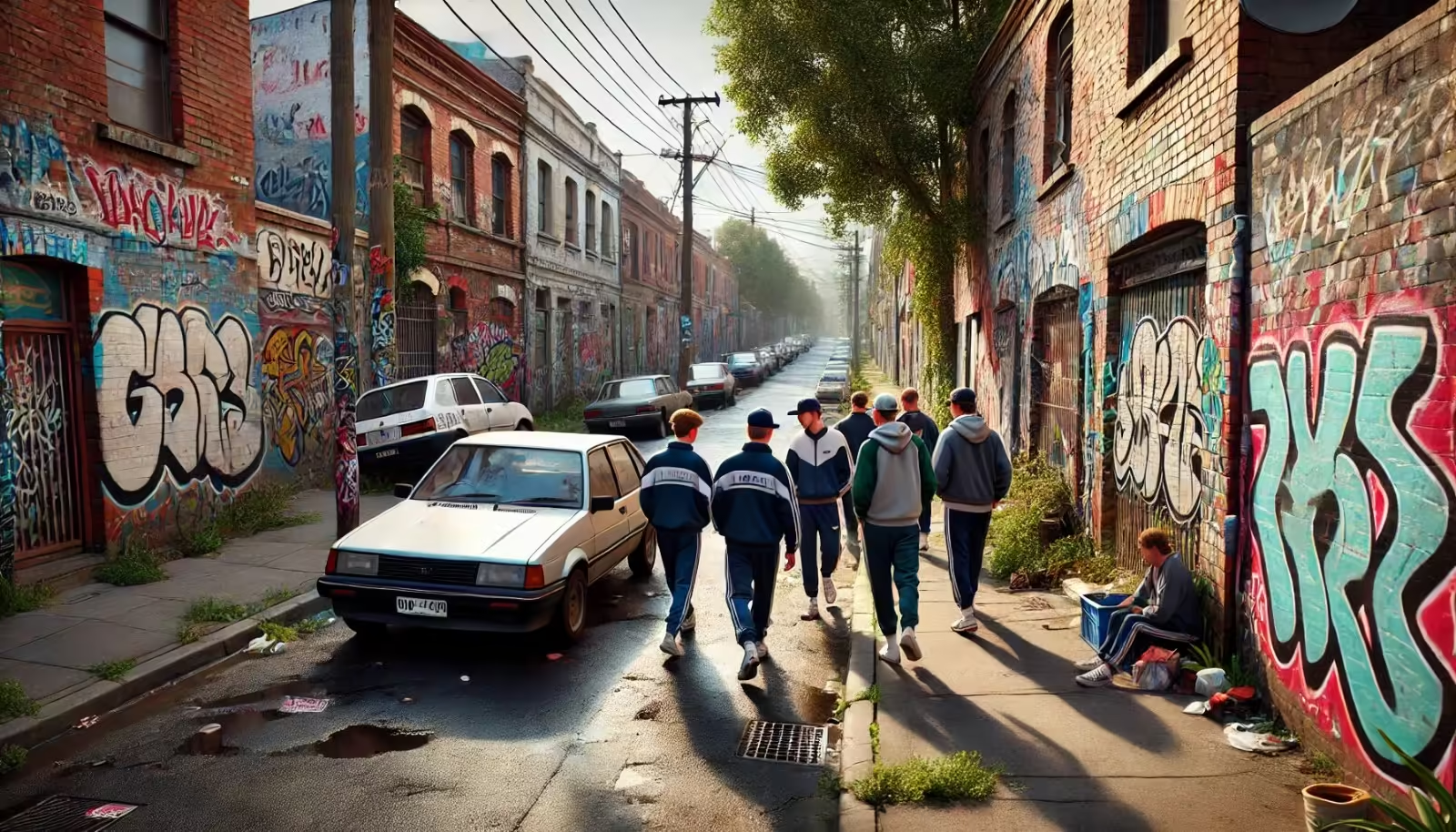
In recent years, a distinct and often polarising street subculture — known as eshay culture — has surfaced in Australia, captivating attention and sparking debate. This movement is recognised for its unique style, coded language and rebellious demeanour. While some view it as an expression of street identity and defiance, others associate it with crime and antisocial behaviour. This article explores the origins, characteristics and influence of this youth culture, while addressing the social concerns it raises and its lasting impact on Australian youth.
Origins of the eshay subculture
The term most associated with this subculture is believed to have its roots in Pig Latin, a cryptic form of wordplay where “yes” becomes “es.” The movement emerged in Sydney and Melbourne’s working-class suburbs, where economic hardship, social inequality and youth disenfranchisement played key roles in shaping its growth. Over time, it has flourished in urban areas, particularly among teens seeking an outlet for rebellion and street identity.
The emergence of this street culture in the late 1980s and 1990s coincided with the rise of graffiti, skateboarding and hip-hop in Australia. These influences, combined with a “tough guy” attitude, gave rise to a street persona focused on projecting strength, status and resilience. The movement later expanded among marginalised youth and eventually influenced mainstream fashion and music.
Defining characteristics of eshay culture
The subculture is immediately recognisable through its distinct visual style, slang and behaviour. Understanding these elements is essential to grasping its broader significance.
Fashion and appearance
Members of this movement are best known for their fashion choices, which revolve around bold, athletic streetwear. These preferences are not merely aesthetic — they represent status, toughness and identity. The hallmarks of this street fashion include:
- Tracksuits: frequently featuring brands such as Nike, Adidas and Polo Ralph Lauren. Tracksuits are a staple, providing comfort and a “street-tough” appearance. Bright colours and matching sets with prominent logos are common.
- Sneakers: the Nike TN sneaker, known for its bold design and distinctive air cushioning, is an essential item. These shoes symbolise wealth and street credibility, making them highly coveted within the subculture.
- Caps and accessories: caps, typically worn low over the eyes to create an intimidating, secretive persona, are common. Popular brands include Ralph Lauren and Nautica, while gold chains, watches and sunglasses are worn to project status.
Slang and language
Language is a vital part of this street identity, helping members solidify their identity and exclude outsiders. Members often use Pig Latin as a form of coded communication. Common slang includes:
- “Eetswa”: meaning “sweet” or “cool,” a common expression of approval.
- “Gronk”: a derogatory term for someone seen as foolish or weak.
- “Adlay”: a Pig Latin form of “lad,” used to refer to peers within the group.
- “Rack”: refers to stealing, particularly shoplifting.
In addition to Pig Latin, members often adopt aggressive, confrontational speech patterns, especially with people they perceive as outsiders. Combined with their street attire, this projects an image of defiance, rebellion and street-smart toughness.
Attitude and behaviour
At the core of this identity is an attitude of resistance, aggression and defiance against societal norms. Many of those involved pride themselves on being “hustlers” who navigate street life through their wits and boldness, often rejecting traditional authority. Common behaviours associated with the culture include:
- Petty crime: members are often linked to graffiti, shoplifting and minor drug dealing. These activities are not only financially motivated but are also seen as a way to gain respect within their peer group.
- Gang culture: while not all members are affiliated with gangs, the subculture often intersects with urban gang behaviour, especially in larger cities. The group dynamic and focus on street dominance have raised concerns about youth violence.
The influence on Australian youth
Despite its controversial nature, the subculture has made a notable impact on broader Australian youth culture, visible in fashion trends, music and social media.
Fashion trends
The aesthetic — tracksuits, sneakers and branded streetwear — has become increasingly popular among young Australians. Even those who don’t fully embrace the subculture often incorporate elements of the look into their wardrobes. Some fashion brands have created streetwear collections aimed at capitalising on this growing influence.
Music and social media
The subculture has significantly impacted the Australian hip-hop and drill music scenes. Artists such as Hooligan Hefs, OneFour and ChillinIt draw on street life experiences in their lyrics, often referencing the struggles, aggression and attitudes that define the movement, and have built substantial followings among young people.
Social media platforms such as TikTok and Instagram have amplified the subculture, allowing it to spread rapidly. Viral videos showcasing the style, slang and confrontational behaviour have captured young audiences — while also raising concerns about the glamorisation of negative behaviours such as violence and petty crime.
Criticism and social concerns
While the subculture has found a foothold in Australian youth culture, it has also drawn widespread criticism from the public, law enforcement and community leaders over its association with criminal activity, antisocial behaviour and its impact on young people’s development.
Criminal associations
The movement is often seen as synonymous with trouble, particularly in urban areas. Public spaces such as train stations, shopping centres and skate parks have become hotspots for incidents involving this group, including shoplifting, vandalism and public confrontations — leading to negative perceptions and heightened police scrutiny.
Impact on youth development
One of the most significant concerns is the subculture’s potential negative influence on impressionable youth. Critics argue that the glorification of street crime, defiance of authority and hyper-masculinity can lead to disengagement from positive opportunities such as education and employment.
Parents, educators and youth advocates have expressed worry about the lack of positive role models for at-risk youth, particularly in economically disadvantaged areas where the subculture thrives. They call for interventions that provide alternative pathways — steering young people away from the movement’s more harmful aspects.
The future of the subculture
Like many subcultures, this movement is not static. It will likely continue to evolve as new trends emerge, and while its peak popularity may ebb, its influence on Australian youth is unlikely to disappear entirely.
Adapting to new trends
The subculture has already proven its adaptability, absorbing elements of contemporary streetwear, music and social media. As new trends in fashion and technology arise, its followers are likely to evolve with them.
Engaging youth positively
Addressing the challenges posed by this subculture requires a multifaceted approach involving law enforcement, education and community engagement. Positive outlets for at-risk youth — such as mentorship programs, sports and job training — can help prevent them from becoming entrenched in the movement’s more destructive aspects.
Conclusion
This street subculture, while often criticised, represents a significant aspect of modern Australian youth culture. It reflects deeper social issues, including economic inequality, youth disenfranchisement and the search for identity in a rapidly changing world. Although the movement is frequently associated with criminal activity and aggression, understanding what drives young people toward it offers valuable insight into how to engage and uplift them.
Rather than dismissing this group as mere troublemakers, society must recognise the need for solutions that address the root causes of their behaviour. By creating opportunities for education, mentorship and social engagement, Australia can help steer its youth toward brighter futures.
Frequently asked questions
What is an Eshay?
An Eshay is a member of a youth subculture in Australia known for its distinct streetwear, slang and rebellious attitude. Eshays are often associated with petty crime, although not all members engage in illegal activities.
Where did the Eshay subculture originate?
Eshay culture originated in Sydney and Melbourne’s working-class suburbs, emerging in the late 1980s and early 1990s as a result of social inequality and youth disenfranchisement.
Why are Nike TN sneakers important in Eshay culture?
Nike TN sneakers are a symbol of status and street credibility within Eshay culture. They are seen as markers of wealth and toughness, making them highly coveted.
Is Eshay culture linked to crime?
While not all Eshays are involved in crime, the subculture has been associated with petty theft, graffiti and minor drug dealing, particularly in urban areas.
How does Eshay culture influence Australian youth?
Eshay culture influences Australian youth through fashion, music and social media, with many young people adopting elements of the style or attitude. However, concerns exist about its potential negative impact on youth development and behaviour.