
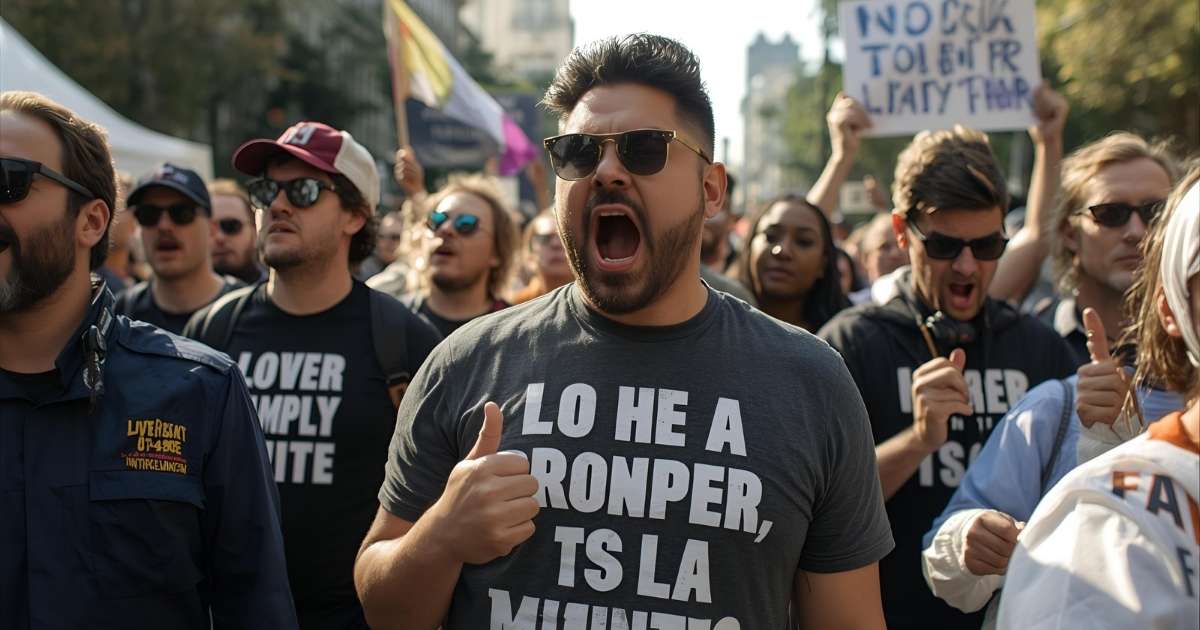
In the digital age, the internet has become a powerful platform for social and political movements. One such movement that has garnered significant attention in recent years is the Groyper movement. This article delves into the origins, ideology, key figures, tactics, controversies, and impact of the Groyper movement. By providing a comprehensive analysis, we aim to offer a nuanced understanding of this complex and often polarising phenomenon.
<h2>Origins and Emergence of the Groyper Movement</h2>
<h3>Background and Early Development</h3>
The <strong>Groyper movement emerged</strong> in the late 2010s as a faction within the broader alt-right and conservative spheres. Named after a meme derived from Pepe the Frog, Groypers are characterized by their online presence and their engagement in political activism. The movement’s origins can be traced to dissatisfaction with mainstream conservative figures and organizations, which Groypers perceive as insufficiently nationalist or socially conservative.
Groypers first gained widespread attention through coordinated efforts to challenge prominent conservative figures during public events and online platforms. They used these opportunities to promote their views and question the commitment of mainstream conservatives to their interpretation of traditional American values.
<h3>Key Figures and Influences</h3>
<h4>Nick Fuentes</h4>
One of the central figures in the Groyper movement is Nick Fuentes, a young political commentator and live streamer. Fuentes, who gained prominence through his online show “America First,” has been instrumental in shaping the movement’s ideology and strategy. His rhetoric often focuses on issues such as immigration, cultural identity, and opposition to political correctness.
Fuentes’ charismatic presence and provocative style have helped attract a dedicated following among young conservatives. His influence extends beyond the Groyper movement, as he frequently collaborates with other far-right figures and engages in debates with mainstream conservatives.
<h3>Other Influential Figures</h3>
In addition to Nick Fuentes, several other individuals have played significant roles in the Groyper movement. These include:
<ul>
<li><strong>Patrick Casey</strong>: Formerly associated with Identity Evropa, Casey has been involved in <strong>organising Groyper</strong> events and promoting the movement’s agenda.</li>
<li><strong>Michelle Malkin</strong>: A conservative commentator who has expressed support for the Groyper movement, Malkin’s endorsement has lent credibility to their cause within certain conservative circles.</li>
<li><strong>Baked Alaska</strong>: A far-right internet personality known for his controversial live streams and participation in Groyper-related activities.</li>
</ul>
<h3>Ideological Foundations</h3>
<h4>Nationalism and Immigration</h4>
At the core of the Groyper ideology is a strong emphasis on nationalism. Groypers advocate for a vision of America that prioritises cultural homogeneity and a return to traditional values. This often translates into staunch opposition to immigration, both legal and illegal. They argue that immigration poses a threat to American identity and economic stability.
Groypers frequently frame their opposition to immigration in terms of preserving Western civilisation and protecting national sovereignty. This perspective aligns with broader alt-right and nationalist sentiments, but with a particular focus on influencing conservative discourse.
<h4>Social Conservatism</h4>
Another key aspect of Groyper ideology is a commitment to social conservatism. Groypers oppose what they perceive as the erosion of traditional values and the influence of liberal cultural norms. This includes opposition to LGBTQ+ rights, feminism, and progressive changes in societal norms.
Groypers advocate for a return to traditional family structures, gender roles, and religious values. They often critique mainstream conservatives for being too accommodating to liberal social policies and failing to uphold these principles.
<h4>Anti-Establishment Sentiment</h4>
The Groyper movement is also characterised by a strong <strong>anti-establishment sentiment</strong>. Groypers are critical of both the political left and mainstream conservative institutions. They accuse establishment conservatives of betraying their base by compromising on key issues and failing to challenge progressive policies effectively.
This anti-establishment stance is reflected in their tactics, which often involve confronting conservative figures they view as insufficiently committed to their cause. Groypers aim to push the conservative movement further to the right and reclaim it from what they see as corrupt or ineffective leadership.
<h3>Tactics and Strategies</h3>
<h4>Online Activism</h4>
The internet plays a central role in Groyper activism. Groypers use social media platforms, live streaming, and online forums to disseminate their views, organise events, and engage with both supporters and opponents. Memes, videos, and other digital content are key tools in their communication strategy.
Online activism allows Groypers to reach a wide audience and mobilise quickly. Platforms like Twitter, YouTube, and Telegram serve as hubs for their activities, enabling them to coordinate campaigns and amplify their message.
<h4>Real-World Engagements</h4>
In addition to their online presence, Groypers also engage in real-world activism. This often involves attending events hosted by mainstream conservative figures and organizations. During these events, Groypers pose challenging questions, disrupt proceedings, and promote their views.
These confrontations, sometimes referred to as “Groyper Wars,” are designed to expose perceived weaknesses in mainstream conservative positions and generate publicity for the Groyper movement. By directly challenging prominent conservatives, Groypers aim to shift the Overton window and influence public discourse.
<h3>Controversies and Criticisms</h3>
<h4>Accusations of Extremism</h4>
The Groyper movement has been widely criticised for its associations with extremism and hate speech. Critics argue that the movement promotes racist, xenophobic, and homophobic views. Organizations such as the Anti-Defamation League (ADL) and the Southern Poverty Law Center (SPLC) have labeled prominent Groyper figures as extremists and highlighted their connections to the broader alt-right.
Groypers reject these accusations, arguing that they are unfairly labeled for expressing politically incorrect views. They claim to be defending traditional American values and free speech, and they accuse their critics of attempting to silence dissenting voices.
<h4>Platform Bans and Censorship</h4>
As a result of their controversial views and tactics, Groypers have faced bans and censorship on various social media platforms. Prominent figures within the movement have had their accounts suspended or permanently banned from platforms like Twitter, YouTube, and Facebook.
These bans have sparked debates about free speech and censorship. Groypers argue that they are being unfairly targeted for their political beliefs, while their critics contend that these measures are necessary to prevent the spread of hate speech and extremism.
<h4>Internal Conflicts and Fragmentation</h4>
The Groyper movement has also experienced <strong>internal conflicts and fragmentation</strong>. Disagreements over strategy, ideology, and leadership have led to divisions within the movement. Some members advocate for a more confrontational approach, while others favor a more strategic and calculated method of engagement.
These internal conflicts have occasionally spilled into public view, leading to splinter groups and competing factions within the broader Groyper movement. Despite these challenges, the movement has continued to maintain a significant online presence and influence.
<h3>Impact and Influence of the Groyper Movement</h3>
<h4>Shifting Conservative Discourse</h4>
One of the most significant impacts of the Groyper movement has been its influence on conservative discourse. By challenging mainstream conservative figures and organizations, Groypers have pushed certain issues, such as immigration and cultural identity, to the forefront of the conservative agenda.
This shift has forced mainstream conservatives to address and respond to the concerns raised by the Groyper movement. In some cases, this has led to a hardening of positions on issues like immigration and political correctness, reflecting the growing influence of nationalist and populist sentiments within the conservative base.
<h4>Youth Engagement</h4>
The Groyper movement has also been successful in engaging a <strong>younger demographic</strong> within the conservative movement. Many of the movement’s supporters are young, tech-savvy individuals who are disillusioned with traditional conservative institutions. The movement’s use of memes, social media, and online communities has resonated with this demographic, helping to cultivate a new generation of conservative activists.
This youth engagement has significant implications for the future of the conservative movement. As younger conservatives become more involved in political activism, they bring new perspectives and priorities that could reshape the movement in the coming years.
<h2>Conclusion</h2>
The Groyper movement represents a complex and <strong>multifaceted phenomenon</strong> within the contemporary political landscape. Its emphasis on nationalism, social conservatism, and anti-establishment sentiment has resonated with a segment of the conservative base, while its tactics and controversies have generated significant debate and criticism.
As the movement continues to evolve, its impact on conservative discourse, youth engagement, and political activism will be closely watched. Understanding the Groyper movement requires a nuanced analysis that considers both its ideological foundations and its practical strategies. By examining the rise, ideology, and controversies of the Groyper movement, we can gain valuable insights into the broader dynamics shaping modern political movements in the digital age.
<hr />
<h2>Frequently Asked Questions (FAQs)</h2>
<h3>What is the Groyper movement?</h3>
The Groyper movement is an online-centred faction that emerged in the late 2010s within the broader alt-right and conservative spheres. Named after a meme derived from Pepe the Frog, its supporters are known for online activism and for challenging mainstream conservative figures at public events and on digital platforms.
<h3>Who is the most prominent figure associated with the Groyper movement?</h3>
Nick Fuentes, a political commentator and live streamer known for his show “America First”, is widely regarded as the central figure of the Groyper movement. Other individuals associated with it include Patrick Casey, Michelle Malkin and Baked Alaska.
<h3>Why is the Groyper movement controversial?</h3>
Critics, including organisations such as the Anti-Defamation League (ADL) and the Southern Poverty Law Center (SPLC), have accused the movement of associations with extremism and hate speech. Supporters reject these characterisations, describing themselves as defenders of traditional American values and free speech. Prominent figures in the movement have faced bans on major social media platforms.
<script type=”application/ld+json”>
{
“@context”: “https://schema.org”,
“@type”: “FAQPage”,
“mainEntity”: [
{
“@type”: “Question”,
“name”: “What is the Groyper movement?”,
“acceptedAnswer”: {
“@type”: “Answer”,
“text”: “The Groyper movement is an online-centred faction that emerged in the late 2010s within the broader alt-right and conservative spheres. Named after a meme derived from Pepe the Frog, its supporters are known for online activism and for challenging mainstream conservative figures at public events and on digital platforms.”
}
},
{
“@type”: “Question”,
“name”: “Who is the most prominent figure associated with the Groyper movement?”,
“acceptedAnswer”: {
“@type”: “Answer”,
“text”: “Nick Fuentes, a political commentator and live streamer known for his show America First, is widely regarded as the central figure of the Groyper movement. Other individuals associated with it include Patrick Casey, Michelle Malkin and Baked Alaska.”
}
},
{
“@type”: “Question”,
“name”: “Why is the Groyper movement controversial?”,
“acceptedAnswer”: {
“@type”: “Answer”,
“text”: “Critics, including organisations such as the Anti-Defamation League (ADL) and the Southern Poverty Law Center (SPLC), have accused the movement of associations with extremism and hate speech. Supporters reject these characterisations, describing themselves as defenders of traditional American values and free speech. Prominent figures in the movement have faced bans on major social media platforms.”
}
}
]
}
</script>