
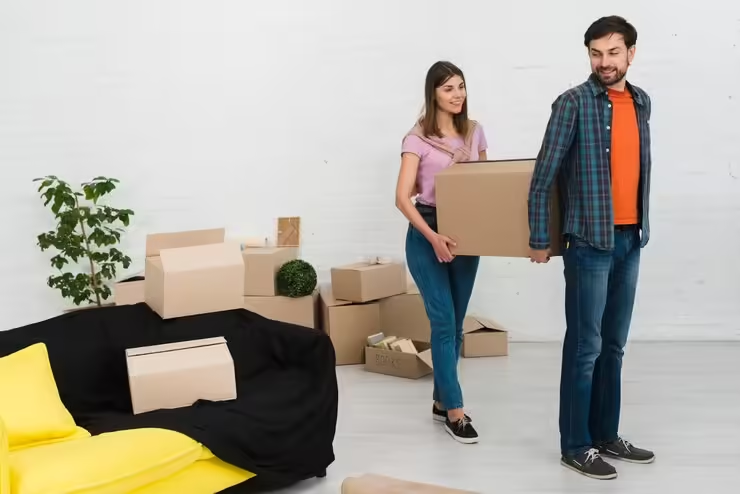
Relocating a home or workplace is a complicated undertaking, especially when it involves transporting fragile items. Delicate objects must be properly protected to prevent cracking or breaking, so careful planning and skilled handling by movers are vital.
Expert packers and movers in Melbourne use a range of proven strategies and high-quality materials to keep delicate items safe during a move. Here is a closer look at the methods professionals rely on.
Initial Consultation and Inventory
- Detailed Survey: movers conduct a thorough inventory before packing, carefully identifying items that are particularly fragile or valuable. This ensures every such item receives the attention and care it requires.
- Client Consultation: where possible, movers discuss any special requirements or handling instructions for specific belongings directly with the client.
High-Quality Packing Materials
- Specialised Containers: dish-pack barrels and custom-made crates are used for ultra-fragile items such as antiques or large artworks. These purpose-built solutions keep delicate goods protected throughout transportation.
- Padding and Cushioning: foam sheets, padded dividers and corrugated bubble wrap cushion each object inside its box, preventing shifting that could lead to damage.
Advanced Wrapping Techniques
- Soft Wrapping: items are first wrapped in soft, non-abrasive paper — such as unbleached packing paper or tissue paper — followed by a layer of bubble wrap to absorb shocks and vibrations that could scratch or damage surfaces.
- Edge Protectors: plastic or cardboard edge protectors are applied to the corners of framed artworks and mirrors, shielding vulnerable edges against chipping or cracking so valuable pieces arrive in pristine condition.
Strategic Packing Methods
- Layering: heavier items go at the bottom of the box for stability, with lighter items on top and each layer separated by cushioning material to absorb impacts.
- Void Filling: all gaps within boxes are filled with packing peanuts or crumpled paper, stopping items from moving in transit — even if the vehicle brakes suddenly.
Labelling for Safety
- Colour Coding: beyond standard fragile labels, colour-coded stickers can quickly signal the level of care each box needs, helping movers prioritise handling.
- Directional Labels: fragile boxes are clearly marked with bold “Fragile” labels on all sides — a visual reminder to keep the box upright — sometimes with instructions such as “Do not stack” or “Handle with care”.
Load Planning and Truck Arrangement
- Customised Loading: professional movers plan the arrangement of items inside the truck carefully, balancing the load and giving fragile items the most secure positions — typically away from doors and never beneath heavier goods.
- Isolation of Risky Items: tools, hardware and other potentially damaging items are kept separate from fragile goods to prevent accidental impacts during transport.
In-Transit Monitoring
- Regular Checks: on longer moves, movers stop to inspect the load, confirming nothing has shifted and that all protective measures remain intact.
- Climate Control: climate-controlled vehicles protect items sensitive to temperature and humidity — such as fine art and electronics — from weather fluctuations during the journey.
Unloading and Placement
- First Off, Last On: fragile items are loaded last and unloaded first, minimising their exposure to risky handling during loading and unloading.
- Staging Area Setup: a dedicated staging zone at the destination allows boxes to be opened away from busy traffic areas, supporting a systematic and organised unpacking process.
Post-Move Inspection and Setup
- Item Condition Check: each fragile item is inspected on unloading to verify its condition. Any issues are documented and resolved promptly.
- Professional Setup: for complex items needing assembly — such as large sculptures or delicate electronic systems — professional setup services ensure correct assembly and installation.
Feedback and Quality Improvement
- Client Debriefing: after the move, a debriefing session gathers the client’s feedback on how fragile items were handled, offering insight into what worked and what could improve.
- Continuous Improvement: feedback is analysed systematically to refine handling techniques and training, keeping service quality consistently high.
In a Nutshell
By employing these detailed and attentive strategies, professional removalists in Melbourne ensure that even the most fragile items are transported safely and efficiently — through careful packing techniques, specialised materials and thorough planning.
This level of care minimises the stress of relocating and helps avoid the extra cost of replacing damaged items. Ultimately, that dedication to quality gives clients peace of mind in their new surroundings.
Frequently Asked Questions (FAQs)
How do packers and movers protect fragile items?
Professionals use specialised containers, layered wrapping, cushioning, void filling, clear labelling and planned truck loading to protect fragile items at every stage of the move.
Should I pack fragile items myself or leave it to the movers?
While you can pack some items yourself, professional packers have the materials and techniques to protect valuables properly. For antiques, artwork and electronics, professional packing is usually the safer choice.
What packing materials are best for fragile items?
Bubble wrap, foam sheets, packing paper, padded dividers, sturdy boxes, edge protectors and custom crates are the go-to materials for keeping fragile belongings safe in transit.