
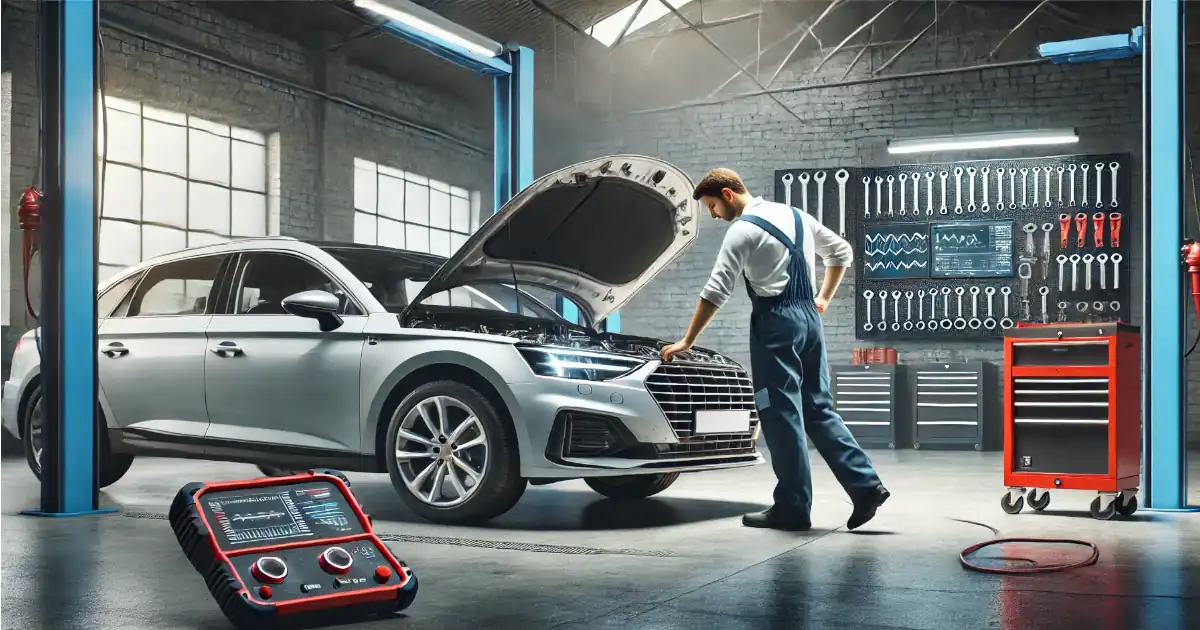
Buying a used car can feel like navigating a minefield: you are hunting for a genuine bargain while trying to avoid a lemon. This is where a pre-purchased inspection becomes essential. It is not just another step; it is your best protection against a costly mistake. This guide walks you through the entire buying process, with the pre-purchase vehicle inspection stage front and centre, so your next used car brings you joy rather than headaches.
Start with Research
Before stepping into the car market, clearly define your needs. Are you prioritising fuel efficiency, space, or a compact size for tight parking spots? Knowing what you want narrows the search and helps you focus on models that suit your lifestyle. Research these models thoroughly, paying particular attention to common issues reported by other owners. This background knowledge is invaluable when it comes time for the pre-purchased inspection, as you will know exactly which problem areas to watch for.
Why a Pre-Purchased Inspection Matters
A pre-purchased inspection is a comprehensive evaluation of a vehicle’s condition carried out by a qualified mechanic. It covers the engine, safety components, bodywork, and even minor electrical and lighting systems. The goal is to uncover hidden problems that only a trained eye would spot — issues that, left unaddressed, could lead to expensive repairs. Understanding just how thorough a pre-purchased inspection is makes it clear why it matters so much: it is your guarantee of buying a reliable vehicle.
Choosing the Right Inspector
Choosing the right mechanic for a pre-purchased inspection can significantly affect the outcome. Look for a qualified professional with experience in the make and model you are considering. Specialists familiar with particular brands are better at spotting model-specific faults that others might miss. A skilled inspector can also flag likely future issues, helping you make a genuinely informed buying decision.
What Happens During a Pre-Purchased Inspection?
During a pre-purchased inspection, the mechanic runs a series of tests to assess the vehicle thoroughly. This includes a road test to evaluate handling and drivability, an inspection of the engine and related components for wear or damage, a check underneath the vehicle for rust or structural issues, and confirmation that all electronic systems work correctly. The objective is to detect any damage, corrosion, or substandard repairs that could turn into major problems later. The result is an accurate picture of the car’s true condition.
Using Inspection Results in Your Negotiation
When it comes time to negotiate, a pre-purchased inspection gives you a decisive advantage. Any faults uncovered can be used to haggle for a lower price or to ask the seller to fix major issues before the sale goes through. If the problems are too serious, the report gives you solid grounds to walk away. Used well, the inspection results ensure you pay a fair price — or avoid a bad investment altogether.
Final Checks Before Purchase
Once negotiations are settled, carry out your final verifications. Make sure all documentation, including the car’s history report, is in order, and check it for past accidents or title discrepancies that could affect the car’s value or safety. Confirm the registration documents are legitimate and current. These final steps matter just as much as the inspection itself, protecting you from legal or financial trouble down the track.
Closing the Deal
After completing a detailed pre-purchased inspection and verifying all paperwork, you are ready to finalise the purchase. Make sure you understand any warranties or return policies before signing. These offer extra protection and peace of mind after you drive away.
Understanding Your Pre-Purchased Inspection Results
When you receive the detailed report from your pre-purchased inspection, take the time to understand what each finding means. Learn the difference between “minor wear” and “immediate repair needed” so you can weigh up whether to proceed, negotiate repairs, or walk away. A clear grasp of the report lets you assess the vehicle’s condition — and its future maintenance needs — with confidence.
The Psychological Advantage of a Pre-Purchased Inspection
A pre-purchased inspection report offers both a practical and a psychological edge. Knowing the vehicle’s exact condition brings peace of mind and confidence at the negotiating table. It also makes you less vulnerable to high-pressure sales tactics, because you hold documented evidence of the car’s state. That shifts the power dynamic in your favour.
Future-Proofing Your Investment with a Pre-Purchased Inspection
A thorough pre-purchased inspection protects your investment by identifying potential issues before they become expensive failures. Spotting problems early helps you budget for upcoming maintenance and repairs, and proactive care extends the life and reliability of your vehicle. An inspection is not just about the car you buy today — it is about dependable transport for years to come.
Including a pre-purchased inspection in your decision-making process is not just part of buying a secondhand vehicle — it is how you buy with confidence. The cost of an inspection from companies like RideCheck is small compared with the price of unexpected repairs, so treat it as an essential part of your car-buying experience, not an optional extra.
Frequently Asked Questions
What is a pre-purchased inspection?
A pre-purchased inspection is an independent, comprehensive check of a used vehicle’s mechanical condition, safety systems, bodywork, and electronics, carried out by a qualified mechanic before you buy.
How much does a pre-purchased inspection cost?
Costs vary by provider and location, but an inspection is generally a modest one-off fee — far less than the cost of repairing hidden faults discovered after purchase.
Can I use the inspection report to negotiate the price?
Yes. Documented faults give you leverage to negotiate a lower price, ask the seller to complete repairs, or walk away if the problems are too serious.
Should I still get an inspection if the car looks fine?
Absolutely. Many serious issues — such as structural repairs, hidden rust, or engine wear — are invisible to an untrained eye, which is exactly what the inspection is designed to uncover.