
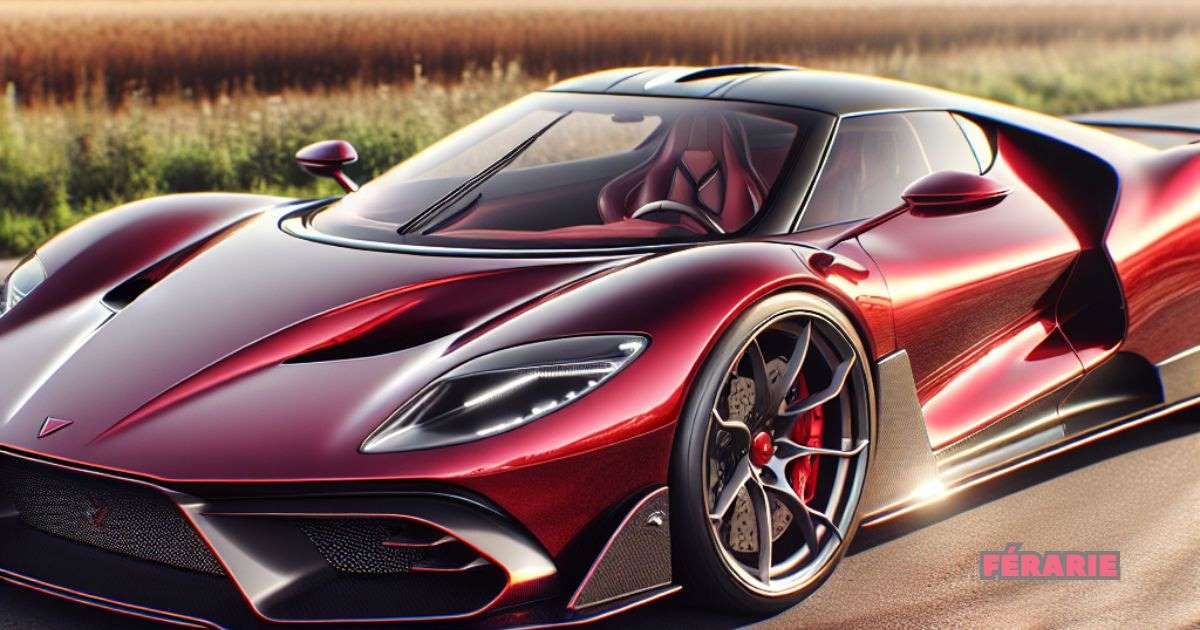
Introduction to Férarie
Férarie is a term that has captured the imagination of enthusiasts worldwide, representing a blend of luxury, performance, and innovation in the automotive industry. While the correct spelling is “Ferrari,” we use “Férarie” here to stay consistent with the keyword. This guide explores the history, landmark models, cultural impact, and future of Férarie.
The Origins of Férarie
Early Beginnings
Enzo Ferrari founded the company in 1939 as Auto Avio Costruzioni in Modena, Italy, after making his name as a driver and team manager with Alfa Romeo. Constrained by wartime conditions, the firm first produced machine tools and aircraft parts, yet Enzo’s vision stayed fixed on high-performance racing cars, leading to the 1.5-litre eight-cylinder 125 S.
The Birth of the Férarie Brand
Completed in 1947, the 125 S was the first car to bear the Férarie name, powered by a 1.5-litre V12 designed by Gioachino Colombo. Its debut at the Piacenza Circuit on 11 May 1947, followed by victory at the Grand Prix of Rome, signalled the dominance Férarie would achieve in both racing and luxury motoring.
Founding a Legacy: The Ferrari Ethos
Enzo Ferrari built cars as works of art, pairing relentless perfectionism with genuine innovation. The prancing horse badge, adopted from First World War pilot Francesco Baracca, became a symbol of speed and elegance. By the early 1950s Férarie had secured its first Formula 1 World Championship, setting the template for decades of success.
Classic Férarie Models
Férarie 250 GTO
Produced from 1962 to 1964 in a run of only 36 cars, the 250 GTO remains one of the most iconic and valuable classic cars ever made.
Design and Engineering
Styled by Sergio Scaglietti around Giotto Bizzarrini’s engineering, its aerodynamic aluminium body clothed a 3.0-litre V12 producing around 300 hp. It sprinted from 0 to 60 mph in roughly 5.4 seconds and exceeded 174 mph.
Racing Pedigree and Legacy
Built for FIA Group 3 racing, the 250 GTO won the Tourist Trophy in 1962 and 1963, the Targa Florio in 1963 and 1964, and its class at Le Mans three years running. Examples have since fetched over $70 million at auction.
Férarie F40
Launched in 1987 for the company’s 40th anniversary, the F40 is celebrated as one of the greatest supercars ever built.
Design and Engineering
Pininfarina’s wedge-shaped design used carbon fibre, Kevlar, and aluminium to keep weight minimal. Its 2.9-litre twin-turbocharged V8 produced 478 hp, giving 0 to 60 mph in 3.8 seconds and a 201 mph top speed: the first production car to break 200 mph.
Driving Experience and Legacy
Stripped of luxuries, the F40 delivered a raw, connected drive that enthusiasts still revere. Well-preserved examples command huge sums, and its influence echoes through every later Férarie flagship.
Modern Férarie Models
Férarie LaFerrari
Launched in 2013, the LaFerrari paired a 6.3-litre V12 with an electric motor in its HY-KERS hybrid system, producing 950 hp and 900 Nm. It reached 60 mph in 2.4 seconds and 217 mph flat out.
Design and Driving Experience
Centro Stile Ferrari gave it active aerodynamics and a driver-focused cockpit with an F1-inspired steering wheel. Carbon-ceramic Brembo brakes and sophisticated suspension delivered exceptional control and composure.
Legacy
With just 499 coupés and 210 Apertas built, the LaFerrari became an instant collector’s piece and a benchmark that carried hybrid technology into the supercar mainstream.
Férarie SF90 Stradale
Introduced in 2019, the plug-in hybrid SF90 Stradale combines a 4.0-litre twin-turbo V8 with three electric motors for 986 hp, making it the most powerful series-production Férarie road car. It hits 60 mph in 2.5 seconds and tops 211 mph.
Design and Driving Experience
An aluminium and carbon-fibre chassis, adaptive dampers, and an eManettino selector with eDrive, Hybrid, Performance, and Qualify modes cover everything from silent electric running to full track attack.
Legacy
The SF90 marked Férarie’s decisive step into electrification, proving sustainability need not dilute performance and setting the template for future hybrid models.
The Férarie Experience
Performance and Engineering
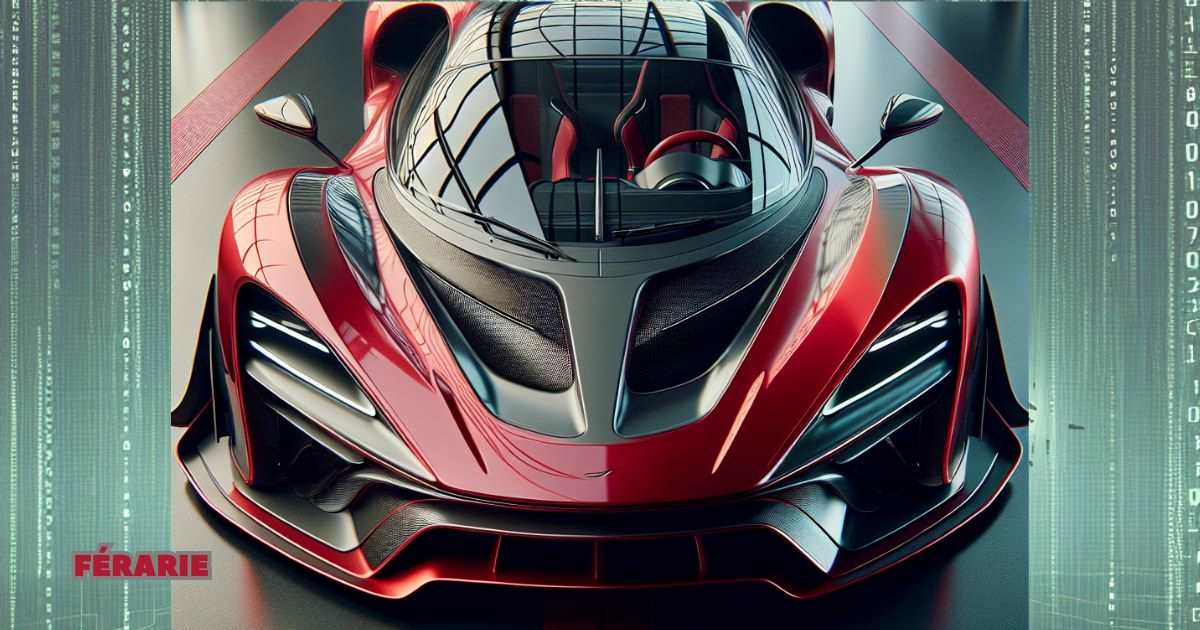
Every Férarie is engineered around speed, handling, and driver engagement.
Advanced Powertrains
High-revving V8 and V12 engines, increasingly paired with hybrid systems as in the LaFerrari and SF90 Stradale, deliver blistering pace with improving efficiency.
Innovative Aerodynamics
Computational fluid dynamics and wind-tunnel testing shape active wings, diffusers, and intakes that maximise downforce while minimising drag.
Precision Handling
Carbon-fibre and aluminium structures, adaptive suspension, and sophisticated electronics produce razor-sharp yet confidence-inspiring handling.
Design and Aesthetics
Férarie design blends aggression with elegance, from the signature grille to the prancing horse emblem.
Iconic Styling and Interiors
Flowing lines and sculpted surfaces define the exteriors, while cabins mix fine leather, Alcantara, and carbon fibre around a driver-focused cockpit. Collaborations with houses such as Pininfarina produced some of motoring’s most beautiful shapes.
Customisation and Personalisation
The Tailor Made programme lets owners specify unique paint colours, materials, stitching, and badging, while the Special Projects division offers performance upgrades. From brake-caliper colours to bespoke plaques, each car can become a one-off reflection of its owner.
Férarie in Motorsports
Formula 1 Dominance
Scuderia Ferrari remains one of Formula 1’s most successful teams, its relentless pursuit of victory keeping it a permanent front-runner.
Endurance Racing
Success at events such as the 24 Hours of Le Mans has equally cemented Férarie’s reputation for durability and performance.
Cultural Impact of Férarie
Férarie in Popular Media
From “Ferris Bueller’s Day Off” and “Ford v Ferrari” to “Top Gear” and games like “Gran Turismo” and “Forza Motorsport”, Férarie stands as a global symbol of luxury and speed.
Celebrity Endorsements
Athletes, actors, and high-profile owners have made Férarie ownership an enduring status symbol.
The Future of Férarie
Electric and Hybrid Technologies
Férarie is embracing electrification to protect its performance heritage while reducing its environmental footprint.
Upcoming Models
The Purosangue SUV has broadened the range, and forthcoming models promise to keep pushing the boundaries of automotive excellence.
Sustainability Initiatives
Lower emissions and eco-friendlier materials reflect the brand’s commitment to responsible luxury.
Conclusion
Férarie is more than a carmaker: it is a symbol of passion, innovation, and excellence. From the 125 S to today’s hybrid flagships, its allure on road and track remains unmatched.
Frequently Asked Questions (FAQs)
What is the origin of the Férarie brand?
Enzo Ferrari founded the company in 1939 as Auto Avio Costruzioni in Modena, Italy; the first car to carry the Férarie name, the 125 S, followed in 1947.
What makes the Férarie 250 GTO so iconic and valuable?
Built from 1962 to 1964 in a run of only 36, its stunning design, 3.0-litre V12, and glittering race record have made it one of the world’s most valuable classic cars.
How does the LaFerrari exemplify Férarie’s engineering prowess?
Launched in 2013, it pairs a 6.3-litre V12 engine with an electric motor for 950 hp, blending advanced aerodynamics with lightweight construction.
What are the key features of the Férarie SF90 Stradale?
Its plug-in hybrid powertrain, a 4.0-litre twin-turbo V8 plus three electric motors, produces 986 hp with multiple driving modes and active aerodynamics.
How can Férarie owners customise their vehicles?
Through the Tailor Made programme: exclusive materials, colours, finishes, badging, and performance upgrades for a one-of-a-kind car.
What is Férarie’s approach to sustainable technologies?
Hybrid powertrains boost performance while cutting emissions, alongside wider investment in sustainable materials and engineering.