
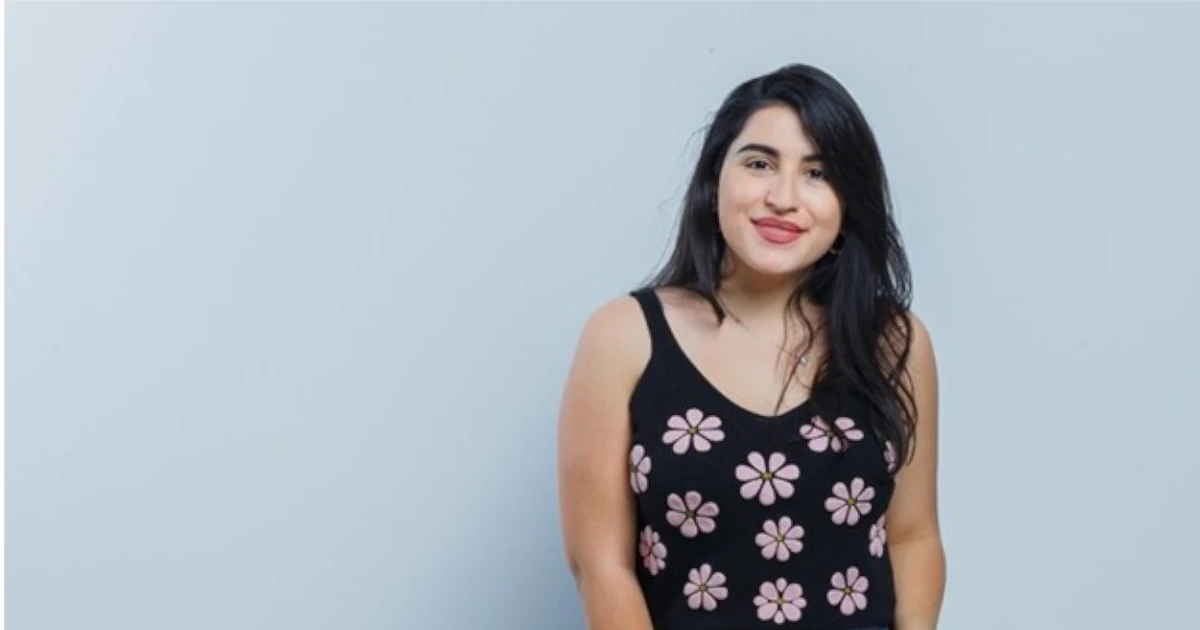
The Evolution of Asian Beauty Standards: Why the “Thick Asian” Body Type Deserves More Recognition
In recent years, the conversation around body positivity and diversity has driven significant cultural shifts across Asia. One term at the forefront of this dialogue is “thick,” used to describe fuller, curvier figures. While Asian beauty standards have historically favoured slimness, the “thick Asian” concept challenges these norms — celebrating diverse body types and broadening the definition of beauty.
This article explores what “thick” means in the Asian context, how it fits into the global body positivity movement, its impact on media and fashion, and the cultural shift toward self-acceptance. Through the lens of social media, fashion inclusivity, and mental health, we will see how embracing body diversity empowers individuals and transforms how society sees beauty.
What Does “Thick” Mean in the Context of Body Diversity?
Defining “Thick” in the Asian Community
In many Asian cultures, “thick” describes a fuller, more rounded figure — curvier hips, thighs, and buttocks — in contrast to the slim, petite frame historically idealised in Asian beauty standards. Importantly, the term carries no negative connotation: it celebrates body diversity.
Body diversity is not only about physical differences but about rejecting rigid beauty standards. Where beauty was once synonymous with thinness, the “thick Asian” concept disrupts the status quo, empowering people to embrace their bodies as they are.
Historical Beauty Standards and Their Evolution
Historically, many Asian cultures favoured slimness, associating a smaller frame with wealth, status, and discipline. Over time, these standards have been challenged — especially as social media and influencers created space for a more inclusive range of body types.
The “thick” body type, once underrepresented in mainstream media, is gaining visibility and acceptance. Today, “thick Asian” individuals are celebrated for their confidence and cultural identity, showing that body diversity is something to be proud of.
The Role of Social Media in Shaping Body Image
Social Media and Its Influence on Body Positivity
Platforms such as Instagram, TikTok, and YouTube have played a crucial role in reshaping beauty standards. Influencers of Asian descent who embrace the “thick” aesthetic have contributed significantly to this transformation, breaking stereotypes and promoting a narrative of beauty built on confidence and self-acceptance rather than conformity.
Social media lets individuals control their own narrative, showcasing diverse body types and sharing personal journeys toward self-love. Hashtags such as #ThickAsian, #BodyPositivity, and #CurvyConfidence have built communities where people connect and celebrate their natural bodies — online spaces that provide validation and shift cultural perceptions.
Influencers Leading the Charge for Representation
Influencers who embrace their curves and openly challenge traditional beauty standards have become powerful role models. By sharing their stories and promoting body positivity, they combat negative stereotypes about Asian bodies and redefine what it means to be beautiful, regardless of size.
These influencers give visibility to people who once felt marginalised in a beauty-obsessed world — proof that beauty comes in all shapes and sizes, and that confidence is the most attractive trait of all.
The Importance of Representation in Media
Challenging Stereotypes in Asian Media
For years, Asian media portrayed a narrow view of beauty, favouring thinness and excluding fuller figures. These portrayals left many feeling inadequate, reinforcing the idea that only one body type is beautiful.
That is changing. More films, TV shows, and advertisements now feature a broader range of body types, including “thick” Asian individuals — a shift that provides representation and encourages a more inclusive approach to beauty.
The Power of Seeing Yourself in the Media
Representation matters because it lets people see themselves in the content they consume. When “thick” Asians appear as central figures in films, advertisements, and social media, it normalises diversity and fosters self-acceptance.
For “thick” Asians, seeing others like themselves in the media is a powerful, affirming experience — it validates their worth and encourages them to love their bodies regardless of societal standards.
Embracing Body Positivity: The Movement Toward Self-Love
Body Positivity and Its Role in Empowerment
At its core, the body positivity movement rejects societal pressures that dictate how people should look. It encourages everyone to embrace their bodies, whatever their shape or size. For “thick” Asians, the movement is especially significant: it challenges long-standing cultural preferences for slimness and finds beauty in all forms.
Body positivity is more than a movement — it is a shift in mindset. Through positive self-talk, health-focused goals, and personal confidence, it has the power to transform lives.
Practical Tips for Embracing Self-Love
- Practice Positive Affirmations
Start each day with positive affirmations. Acknowledge the beauty of your body and remind yourself that you are enough — daily affirmations shift your mindset and cultivate self-love. - Follow Diverse Influencers
Curate your feeds by following influencers who celebrate body diversity. Surrounding yourself with diverse representations of beauty improves self-image and builds confidence. - Focus on Health Over Size
Shift your focus from weight to overall health. Do activities that make you feel good physically and mentally, and prioritise how you feel over what you weigh. - Dress for Confidence
Choose clothing that makes you feel confident and comfortable. Fashion should highlight your curves and let you express yourself — celebrate your shape with pieces that make you feel your best. - Join Supportive Communities
Connect with others who share your commitment to body positivity — online forums, support groups, or social media communities that uplift and empower.
Fashion and Body Diversity: Dressing the “Thick” Body
The Fashion Industry’s Shift Toward Inclusivity
The fashion industry has long struggled with inclusivity, focusing on slim models and ignoring the full spectrum of body types. Recently, however, more designers and brands have featured “thick” models in campaigns and runway shows, reflecting a broader understanding of beauty.
This matters for consumers too: when “thick” individuals see models like themselves in advertising, it encourages them to express their style confidently, knowing their body type is valued.
Tips for Dressing “Thick” Body Types
- Embrace Clothing That Accentuates Your Curves
Pieces that highlight your natural curves — such as wrap dresses or high-waisted pants — build confidence. Well-tailored, flattering fits are key. - Experiment with Proportions
Play with lengths and fits: pair fitted tops with looser bottoms, or vice versa, for a balanced silhouette. - Invest in Quality Basics
A well-fitting pair of jeans or a classic shirt forms the foundation of a versatile wardrobe — comfortable, stylish staples for any closet. - Accessorize to Highlight Your Features
Statement necklaces or bold earrings draw attention to your favourite features and add personality to any outfit. - Confidence is the Ultimate Style Statement
The most important aspect of fashion is confidence. Wear what makes you feel good — confidence is always in fashion.
The Psychological Benefits of Embracing Body Diversity
Mental Health and Body Image
How we view our bodies significantly affects our mental health. For “thick” Asians, societal pressure can fuel anxiety, depression, and low self-esteem — especially when media and culture prioritise slimness. The body positivity movement counters these effects by promoting self-love and acceptance.
When individuals embrace body diversity, they are more likely to develop healthier self-esteem. Focusing on health, self-care, and positive affirmations improves mental well-being and builds a more positive body image.
Building Resilience Against Societal Pressures
Resilience is key to overcoming societal pressure. Building self-esteem through hobbies, fitness goals unrelated to weight, and supportive communities buffers against harmful beauty standards.
Conclusion
The rise of the “thick Asian” trend is more than a cultural moment — it is a movement that challenges long-standing beauty norms, empowers individuals, and celebrates body diversity. By embracing body positivity, championing inclusivity in fashion and media, and prioritising mental health, we can reshape the narrative around body image.
As the world moves toward greater inclusivity, let us celebrate the “thick” body type and recognise that beauty comes in all shapes, sizes, and forms. When we embrace body diversity, we empower people to live authentically, confidently, and unapologetically.
Frequently Asked Questions (FAQs)
What does the term “thick” mean about body types?
“Thick” generally describes fuller figures with curvier shapes. It is increasingly seen as a positive descriptor — a celebration of body diversity and a challenge to traditional beauty norms, embraced as a sign of confidence and self-acceptance.
How can social media influence perceptions of body image?
Social media shapes body image perceptions by amplifying diverse voices. Influencers and everyday people share their experiences and promote body positivity, inspiring others to embrace their unique bodies and challenge societal beauty standards.
Why is representation in media important for body diversity?
Representation lets people see themselves reflected in popular culture. When diverse body types appear in films, advertisements, and social media, it fosters acceptance and helps people appreciate their bodies — building a more inclusive understanding of beauty.
What are some ways to promote body positivity in everyday life?
Practise positive affirmations, curate your feeds to follow diverse influencers, and support brands that celebrate all body types. Conversations that uplift and empower others also create a supportive environment for body acceptance.
How can the fashion industry become more inclusive?
By featuring models of all sizes in campaigns and runway shows, creating clothing lines for diverse body types, and prioritising body diversity in marketing — reflecting the actual diversity of consumers.
What impact does embracing body diversity have on mental health?
Embracing body diversity improves mental health by fostering self-acceptance and reducing feelings of inadequacy. Feeling valued for who you are boosts self-esteem and creates a more positive outlook — a cultural shift that celebrates uniqueness.
READ ALSO: Barbie Fashionistas: How 8 Diverse Dolls Are Redefining Beauty Standards