
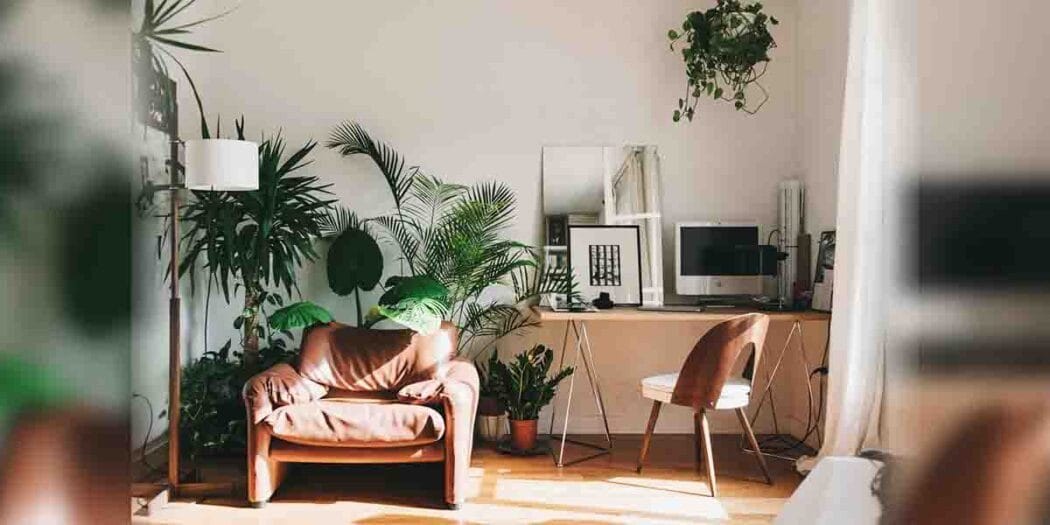
Creating tranquil interiors is one of the most rewarding ways to transform your home into a sanctuary that supports mental well-being. The spaces we live in shape how we feel every day: a calm, ordered home can ease stress and restore balance, while a cluttered, chaotic one can leave us feeling drained. This guide explores the design principles behind tranquil interiors, from colour and light to nature-inspired elements, so you can create a peaceful home that nurtures both mind and body.
Importance of Tranquil Interiors
Mental Well-being and Home Environment
Our surroundings have a profound effect on mental health. A serene home environment helps reduce stress and anxiety, fostering a genuine sense of peace and calm. Research linking peaceful environments to improved cognitive function and emotional stability underlines just how powerful our interiors can be in shaping how we think and feel.
Enhancing Quality of Life
A tranquil home positively influences overall quality of life. It becomes a sanctuary from the noise and pace of the outside world, supporting better sleep, sharper focus, and a more balanced daily routine. When your home feels calm, it is easier to rest, recharge, and be present with the people who matter most.
Design Elements for Serenity
Principles of Tranquil Design
Minimalism, natural light, and neutral colours form the backbone of tranquil interiors. These elements reduce visual clutter, create a sense of openness, and establish a soothing visual environment. Simple layouts, clean lines, and uncluttered surfaces allow the eye—and the mind—to rest.
Decluttering and Organisation
There is a well-documented psychological link between clutter and stress. Organised, streamlined spaces support mental clarity and make it easier to unwind. Practical storage solutions, regular decluttering routines, and giving every item a proper home are simple habits that keep tranquil interiors feeling calm rather than chaotic.
Nature and Tranquility
Biophilic Design’s Influence
Biophilic design centres on the connection between nature and human well-being. Bringing natural elements indoors—houseplants, timber textures, stone, linen, and other organic materials—infuses living spaces with the calming presence of the outdoors.
Benefits of Nature-Inspired Spaces
Integrating nature-inspired elements offers tangible benefits: improved air quality, reduced stress, and a sense of rejuvenation. Even small touches, such as a vase of fresh greenery or a view of the garden, can make a room feel more alive and restorative.
Mindful Decor Choices
Sensory Experience in Design
Decor choices shape how a space feels to every sense. Soft textures, calming artwork, soothing scents, and gentle ambient sounds all contribute to a tranquil atmosphere. Layering these sensory elements thoughtfully helps a room feel warm, inviting, and deeply restful.
Creating Harmonious Spaces
Cohesion is key to calm. When each decor piece complements the overall theme—through a consistent colour palette, balanced proportions, and complementary materials—the result is a harmonious space with a continuous, calming effect throughout.
Functional Spaces for Relaxation
Importance of Dedicated Spaces
Designated relaxation zones give rest a proper place in the home. A reading corner, a meditation nook, or a spa-like bathroom can serve as a personal sanctuary for unwinding at the end of a busy day.
Designing Inviting Retreats
Comfortable seating, soft lighting, and a few tranquility-enhancing details—such as a cosy throw, a scented candle, or a small plant—make these retreats genuinely inviting. The goal is a space that naturally encourages you to slow down and breathe.
Balancing Technology and Tranquility
Integrating Technology Thoughtfully
Modern homes rely on technology, but it need not disrupt serenity. Concealing cables and devices, choosing discreet designs, and creating tech-free zones help maintain a peaceful environment while still enjoying contemporary conveniences.
Setting Boundaries
Defining clear boundaries with technology supports mental relaxation. Simple steps—such as keeping devices out of the bedroom, setting screen-free hours, or designating a tech-free living area—reduce digital distractions and help the home feel like a true retreat.
Creating Tranquility on a Budget
Affordable Tranquility
A calm home does not require a large budget. DIY projects, upcycling second-hand furniture, and affordable decor finds can transform a space without breaking the bank. Thrifted ceramics, handmade cushions, and a fresh coat of paint in a soft neutral can work wonders.
Value of Simplicity
Tranquil interiors are not about extravagant spending. Simple changes—rearranging furniture for better flow, clearing surfaces, or adding a bunch of fresh flowers—can have a surprisingly profound impact on how peaceful a room feels.
Cultural Influences on Serene Interiors
Diverse Design Philosophies
Different cultures offer rich philosophies of calm. The Japanese concept of wabi-sabi finds beauty in imperfection and simplicity; Scandinavian minimalism champions light, function, and restraint; Mediterranean style brings warmth through natural materials and sunlit spaces. Each offers a distinct path to tranquility.
Global Perspectives on Tranquility
Exploring these global perspectives broadens our design vocabulary and shows that serenity can be achieved through many cultural lenses. Borrowing thoughtfully from these traditions can add depth and meaning to a calm home.
Personalisation and Tranquility
Personal Touches in Design
Personalisation and calm can absolutely coexist. Meaningful decor—family photographs, treasured keepsakes, handmade pieces—enhances a space’s sense of belonging. The key is curating these items intentionally so they add warmth without creating clutter.

Embracing Individual Preferences
Creating a tranquil space does not mean sacrificing personal taste. It is about weaving individual preferences into a serene framework—choosing the colours, textures, and objects you love, then editing them into a calm, cohesive whole.
Sustainability and Tranquil Living
Eco-Friendly Design Practices
Sustainable choices and serene spaces go hand in hand. Eco-friendly materials, energy-efficient lighting, and repurposed furniture create healthy, calm living environments while treading lightly on the planet.
Long-Term Benefits of Sustainability
Beyond tranquility, sustainable design delivers lasting rewards: reduced environmental impact, healthier indoor air, and durable pieces that age gracefully. A home built on these principles stays peaceful—and purposeful—for years to come.
Conclusion
Tranquil interiors are about far more than aesthetics; they are a foundation for everyday well-being. By embracing simplicity, natural light, nature-inspired elements, and mindful decor, you can transform your home into a restorative sanctuary. Start small, personalise thoughtfully, and let calm become the defining quality of your space.
This article is for general informational purposes only and is not professional medical or psychological advice. If you are experiencing ongoing stress, anxiety, or other mental health concerns, please seek guidance from a qualified professional.
Frequently Asked Questions (FAQs)
What defines tranquil interiors?
Tranquil interiors are spaces designed to evoke a sense of peace, calmness, and relaxation. They typically feature minimalistic design, natural light, neutral colours, and a clutter-free environment.
How do tranquil interiors contribute to well-being?
Tranquil interiors significantly impact mental and emotional well-being. They can reduce stress and anxiety and promote a sense of tranquility that aids relaxation, better sleep, and improved overall mental health.
What are essential design elements for creating a tranquil space?
Key design elements include minimalism, decluttering, natural elements (such as plants and natural textures), soft lighting, soothing colour palettes, and thoughtful organisation to create a calming ambiance.
Can I create a tranquil space on a budget?
Yes, creating a tranquil space doesn’t always require a large budget. Simple changes like decluttering, rearranging furniture, incorporating plants, using soft textures, and DIY projects can significantly enhance tranquility without high costs.
How can technology be integrated into tranquil interiors?
Integrating technology thoughtfully, setting boundaries, and creating designated tech-free zones effectively maintain tranquility while benefiting from modern amenities.
Are tranquil interiors culturally influenced?
Yes, various cultures have different design philosophies that contribute to creating tranquil spaces. Concepts like Scandinavian minimalism, Japanese wabi-sabi, or Mediterranean influences showcase diverse cultural approaches to tranquility in design.
Can personalisation coexist with tranquil interiors?
Absolutely! Personal touches and preferences can be integrated into a tranquil space while maintaining its serene ambiance. It’s about finding a balance between personalisation and creating a calming environment.
How can sustainable practices be incorporated into tranquil interiors?
Sustainable design choices, such as using eco-friendly materials, energy-efficient lighting, and repurposing items, contribute to a tranquil environment and promote a healthier, more eco-conscious lifestyle.
What are the benefits of having dedicated relaxation spaces?
Specific areas designed for relaxation, such as reading nooks or meditation corners, encourage unwinding and promote mental rejuvenation within the home environment.
Can tranquil interiors still reflect personal style?
A tranquil interior can reflect personal style through thoughtful decor choices, incorporating meaningful items, and adapting design elements to align with individual preferences while maintaining a serene atmosphere.