
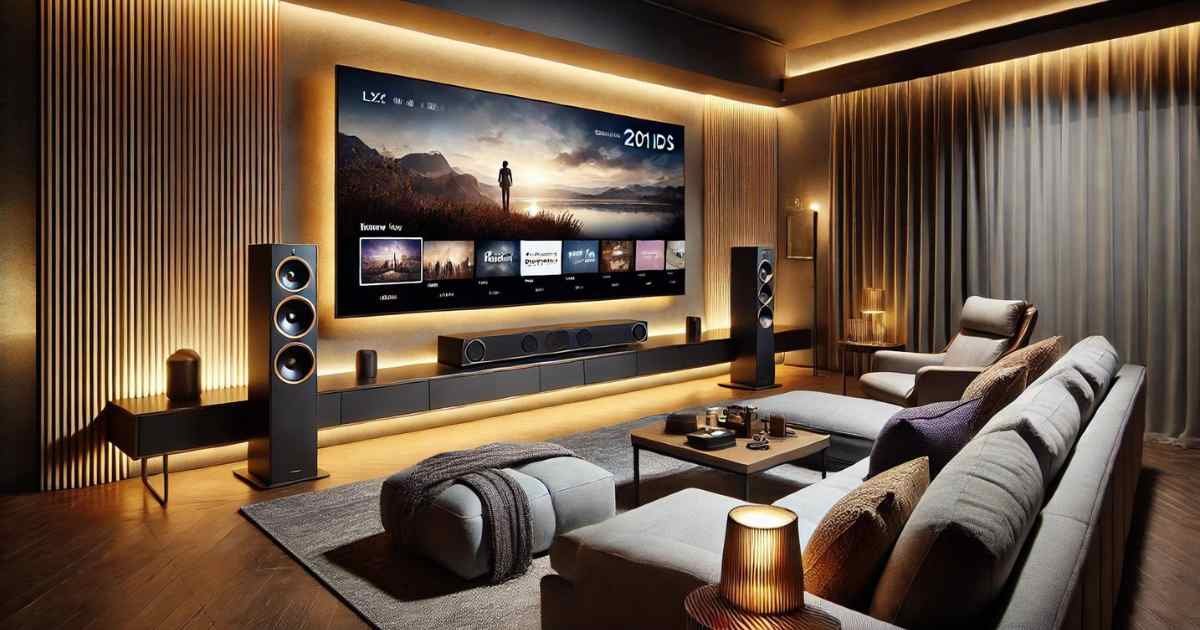
Choosing the right television size can transform your viewing experience. If you own the 2201DS model, you may be asking: what size TV can fit 2201DS setups and spaces? This guide explains how TV sizes are measured, the key specifications of the 2201DS, and how to match a TV to your room for the best results.
Understanding TV Sizes
How TV Size Is Measured
TV sizes are measured diagonally from one corner of the screen to the opposite corner. This measurement refers to the screen itself, not the full dimensions of the television including the bezel and stand.
Screen Size vs Overall Dimensions
While the diagonal size indicates the viewing area, the overall width, height and depth determine whether the TV fits your space. Always check the full dimensions, especially if wall-mounting or placing the TV in a cabinet.
Common TV Sizes
- 22-inch: ideal for small spaces like kitchens and bedrooms.
- 32-inch: suits medium-sized rooms such as offices or guest rooms.
- 40-inch: a good fit for living rooms with moderate space.
- 50-inch: works well in larger living rooms and dens.
- 65-inch and above: best for home theatres and expansive living areas.
The 2201DS Model: Specifications and Features
The 2201DS is a compact TV model known for its sleek design. Understanding its specifications helps you choose the right size and setup.
Key Specifications
- Dimensions: check the width, height and depth to ensure the TV fits your intended space.
- Weight: consider the weight for installation, especially if wall-mounting.
- Screen size: the 2201DS is typically a 22-inch model.
Features
- Resolution: high-definition for clear picture quality.
- Display technology: LED for vibrant colours and energy efficiency.
- Connectivity: multiple HDMI and USB ports for various devices.
- Smart capabilities: access to streaming services and apps where supported.
Measuring Your Space
Why Accurate Measurements Matter
Accurate measurements ensure the TV fits properly. Incorrect measurements can lead to a screen that overwhelms a small room or looks lost in a large one.
How to Measure Correctly
Use a tape measure to record the width, height and depth of the area where the TV will go. Note the viewing distance from the seating position to the screen. A notepad and pen help keep track.
What Size TV Can Fit 2201DS Spaces?
For the 2201DS, which is typically a 22-inch model, the question is really about matching the TV to the room. Use the viewing distance as a guide: a common rule is that the viewing distance in inches divided by two gives a suitable screen size in inches, though personal preference matters too.
- Small spaces (bedrooms, kitchens): a 22-inch to 32-inch TV is usually sufficient.
- Medium spaces (living rooms, offices): consider 40-inch to 50-inch.
- Large spaces (home theatres): opt for 65-inch or larger.
Installation and Placement Tips
Wall-Mounting vs Stand Placement
- Wall-mounting: saves floor space and looks clean, but requires proper installation.
- Stand placement: easier to set up and move, but takes up more surface space.
Viewing Height and Angle
The centre of the screen should sit at eye level when seated. If the TV is mounted higher, tilt it slightly downward to reduce neck strain.
Cable Management
Use cable ties and clips to keep cables tidy. Cable covers or in-wall systems give the cleanest look.
TV Size and Viewing Experience
Visual Comfort
Sitting too close to a large screen can cause eye strain. Match the screen size to the viewing distance for comfortable viewing.
Immersion and Resolution
Larger screens feel more immersive, especially for films and sport. On bigger screens, resolution matters more: 4K looks noticeably sharper than 1080p at large sizes.
Future-Proofing Your Purchase
Consider how your needs might change. If you plan to move the TV to a larger room later, a slightly bigger screen can be a wise investment. Some models offer modular or upgradeable features, though this varies by manufacturer.
Conclusion
Selecting the right TV size for a 2201DS setup comes down to understanding TV measurements, knowing the model’s specifications, and matching the screen to your space and viewing distance. Measure carefully, consider your room and preferences, and you will find a size that fits comfortably and looks great.
Frequently Asked Questions
How do I accurately measure my space for a new TV?
Use a tape measure to record the width, height and depth of the area, plus the distance from the seating position to the screen.
What is the ideal viewing distance for my TV size?
A common guide is viewing distance in inches divided by two equals a suitable screen size in inches, but personal preference plays a role.
Should I choose a wall mount or a TV stand?
Wall-mounting saves space and looks tidy but needs proper installation. A stand is more flexible and easier to set up.
How does screen resolution impact picture quality?
Higher resolutions give sharper images, which matters most on larger screens. 4K is noticeably clearer than 1080p at big sizes.
Can I future-proof my TV purchase?
Consider potential changes in room size and usage. Choosing a slightly larger screen or a model with smart features can extend its useful life.
What size TV is best for different room types?
Small rooms suit 22 to 32 inches, medium rooms 40 to 50 inches, and large home theatres 65 inches and above.