
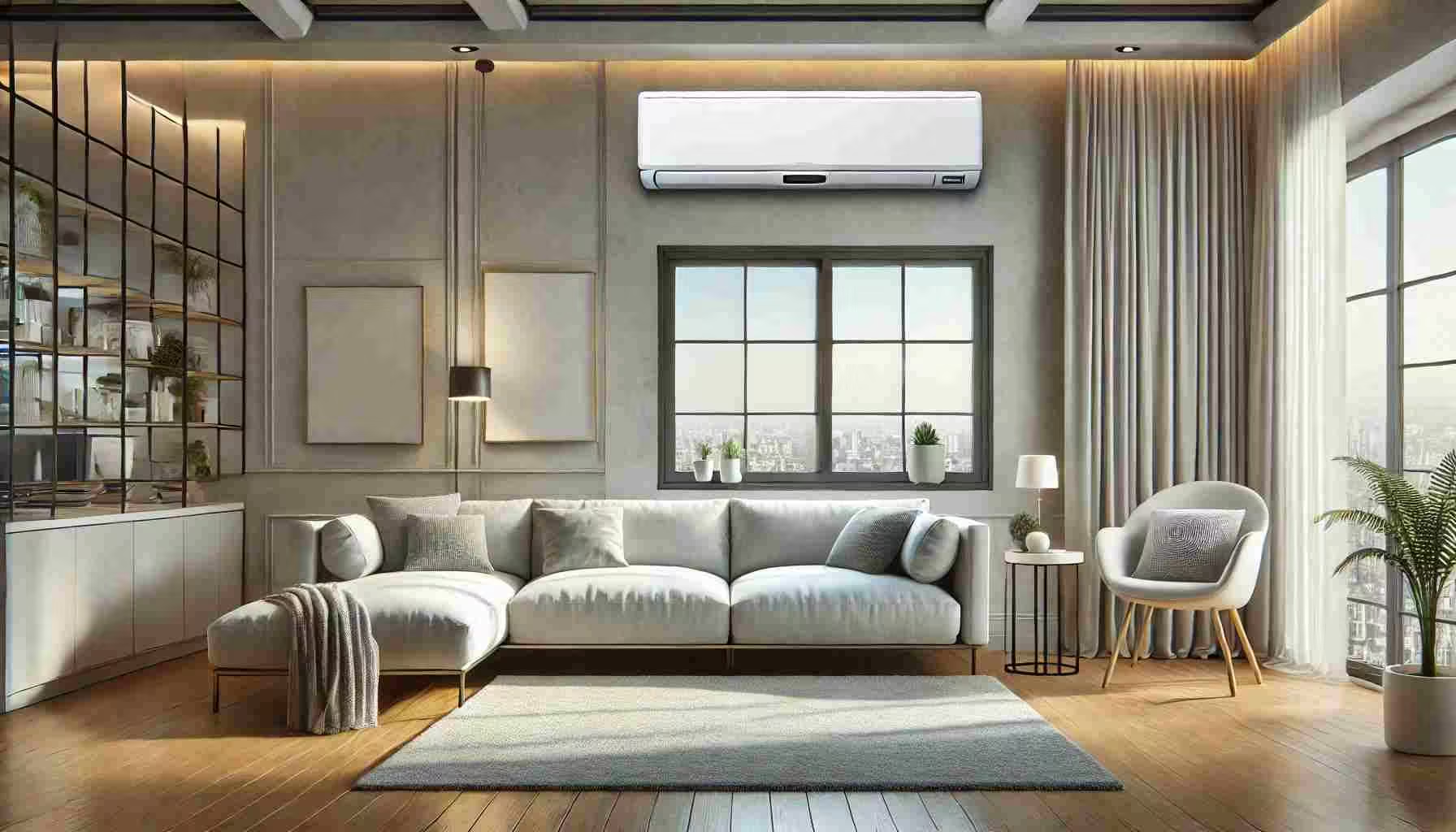
Air Conditioning Services Maitland: What Do They Cover?
Air conditioning keeps Maitland homes cool and comfortable through hot summers. But no cooling system lasts forever. After years of steady use, every unit starts to wear down. This guide explains how Air Conditioning Services Maitland can help you spot the warning signs. You will know exactly when to repair or replace your unit.
Read through the signs below, and if any sound familiar, on site air conditioning services in Maitland can inspect your system and recommend the right fix.
Frequent Breakdowns and Repairs? Call Air Conditioning Services Maitland
If you call a technician every few months, your system is telling you something. Constant breakdowns, repeat faults and rising service bills all point to a unit near the end of its life. Older systems also need more maintenance, and spare parts get harder to find. In many cases, a new unit costs less over time than keeping an old one alive.
Replacing the system removes the stress of surprise breakdowns and keeps your home reliably cool.
Increased Energy Bills
An old or faulty air conditioner uses more power to cool your home. If your energy bills climb without any change in usage, your AC is a likely culprit. Older units lack modern energy-saving technology, so they chew through more electricity every summer.
Upgrading to a unit with a high energy star rating can cut annual cooling costs by up to 20%. Modern models also offer programmable thermostats and variable-speed compressors for better control and efficiency. Running ceiling fans alongside your air conditioner lets you raise the thermostat a few degrees without losing comfort. This simple habit trims energy use further.
Inconsistent Cooling and Hot Spots
Does your AC cool some rooms well but leave others warm? Uneven temperatures are a classic sign of a struggling system. Duct issues or a failing compressor can cause it, but often it simply means the unit is losing efficiency.
Modern air conditioning systems use multi-stage cooling to spread air evenly and remove hot spots. If parts of your home never feel comfortable, an upgrade may be the answer.
Unusual Noises and Odours
A soft hum is normal. Banging, rattling or screeching is not. Loud or unusual noises often mean loose or damaged parts. A technician can patch them, but repeat noise problems usually mean replacement time.
Musty or burning smells from the vents are another red flag. They can signal mould growth or electrical faults. New filters sometimes help, but persistent odours often mean the system is beyond repair.
System Age: An Air Conditioning Services Maitland Lifespan Guide
Most air conditioning units last 8 to 10 years, depending on the model, usage and maintenance. Window air conditioners typically last 5 to 10 years, while central systems can reach 10 to 15 years with proper care.
If your unit sits in this age range, start planning a replacement. Older units run less efficiently, break down more often and cost more to repair than modern systems. Today’s models cool better, use less energy and include smart controls for temperature and humidity.
Outdated Refrigerant Type
If your air conditioner still uses R-22 refrigerant, replacement should be a priority. R-22 is being phased out because it harms the ozone layer, and it is getting expensive to source. Modern units use eco-friendly R-410A refrigerant instead.
Sticking with an outdated refrigerant raises maintenance costs and breakdown risk. A new system avoids the problem entirely.
Excessive Humidity
A healthy air conditioner controls indoor humidity as well as temperature. If your home feels sticky or damp even with the AC running, the system is not coping. High humidity encourages mould growth and can warp timber furniture.
Modern systems manage humidity far better, leaving your home drier and more comfortable. If yours cannot keep up, an upgrade will improve both comfort and air quality.
Rising Repair Costs
Repairs get dearer as a system ages. Parts become scarce, call-out fees add up and fixes last for shorter periods. At some point, the maths no longer works.
Compare the repair quote against the cost of a new unit. Modern systems break down less often, run more efficiently and come with manufacturer warranties that cover you for years.
Poor Air Quality
Your AC moves a lot of air through your home. An old unit can spread dust, allergens and pollution along with it, posing health dangers for your family. Modern units filter far more effectively.
Some models include built-in air purifiers, which help anyone with allergies or asthma. If your indoor air feels stale or dusty, a newer system can make a real difference.
Lack of Smart Features
Older systems miss out on the smart features of modern units: programmable thermostats, smartphone control and energy-saving modes. These features give you better control and can trim energy use.
For example, programmable thermostats in modern split system air conditioning let you set different temperatures for different times of day. That cuts energy use while you are out. Smartphone control and energy-saving modes make the system easier to manage.
Upgrading makes life easier and saves real money on your power bills.
Final Takeaway: Contact Air Conditioning Services Maitland
Replacing an air conditioner is a big purchase, but it brings better comfort, lower running costs and fewer headaches. If you notice any of the signs above, ask a Maitland professional to inspect your system and recommend the right replacement.
Regular servicing and prompt repairs will extend your air conditioner’s life. But when replacement time comes, a new system will keep your home comfortable and efficient for years to come.
Read More: Green Pipes: Crafting Water Wisdom in Taylors Lakes