

Plumbing problems can strike at the most inconvenient times, causing stress and costly repairs. Whether it’s a leaky tap or a blocked drain, knowing how to handle these issues can save you time and money. If you’re facing persistent plumbing issues, reaching out to a professional plumber Hobart services can help resolve problems quickly and prevent further damage. Being proactive about plumbing maintenance ensures your home’s water systems remain functional and efficient year-round.
1. Leaky Taps and Pipes
Leaky taps are more than just an annoyance—they can lead to significant water waste and increased bills. A dripping tap can waste over 11,000 litres of water per year if left unchecked. Often caused by worn-out washers, seals, or O-rings, fixing a leaky tap early prevents further damage and reduces water waste.
However, pipes can also develop leaks due to corrosion, pressure changes, or physical damage. Even small leaks can lead to water damage, mould growth, and structural issues over time. Regularly inspecting pipe joints, under sinks, and around appliances for moisture or water spots helps identify issues early. Replacing old pipes with modern materials like PEX or copper can also improve durability and prevent future leaks.
How to Prevent Leaky Taps and Pipes:
- Replace washers and seals as soon as you notice a leak.
- Install water pressure regulators to prevent pipe strain.
- Schedule an annual plumbing inspection to catch hidden leaks.
2. Clogged Drains
Blocked drains are one of the most common plumbing problems. Hair, soap scum, food particles, and grease often accumulate over time, restricting water flow and creating unpleasant odours. If left untreated, clogged drains can lead to backups and even pipe damage.
To prevent this, first install drain guards in sinks and showers to catch debris. Avoid pouring grease or oil down the drain, as they solidify and cause blockages. Baking soda and vinegar provide a natural way to clear mild clogs without damaging your pipes.
Still, for stubborn clogs, using a plumber’s snake or hydrojetting can clear out deeper blockages. Persistent clogging might indicate a larger issue with the drainage system, such as tree root intrusion or misaligned pipes.
How to Prevent Clogged Drains:
- Clean drains weekly with a mix of baking soda and vinegar.
- Avoid flushing non-biodegradable items down the toilet.
- Consider professional drain cleaning every six months.
3. Low Water Pressure
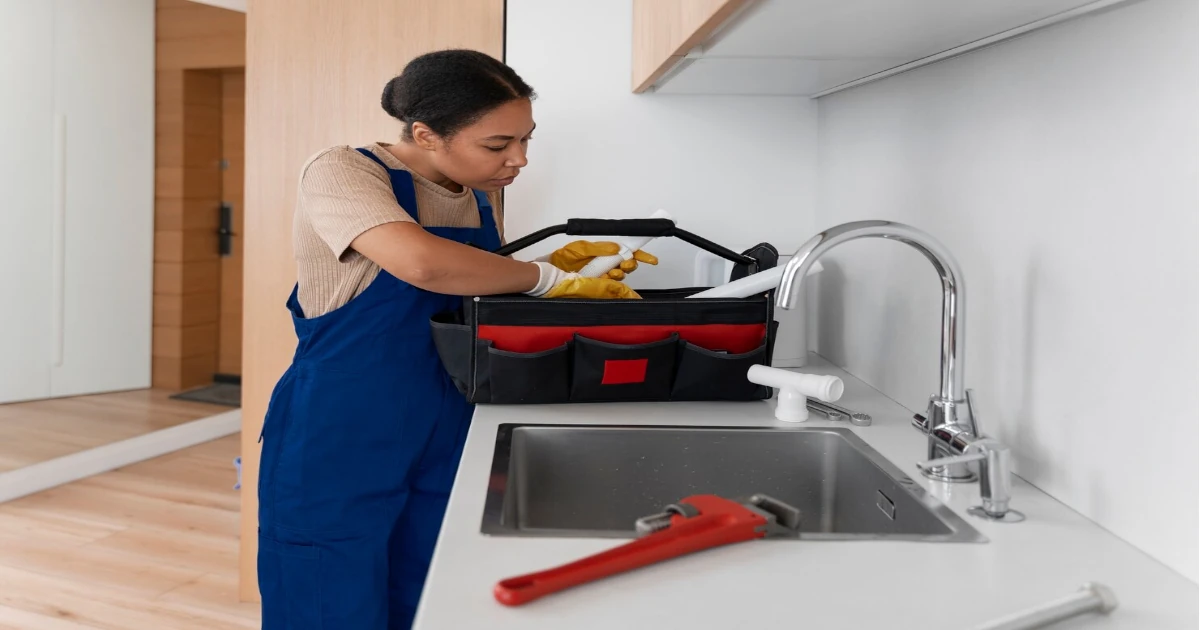
Low water pressure can make daily activities like showering or washing dishes frustrating. Generally, this issue results from sediment buildup in pipes, a failing pressure regulator, or a hidden leak. Mineral deposits can clog taps and showerheads, reducing water flow.
First, try removing and cleaning tap aerators and showerheads. If pressure issues persist, it could be a sign of corroded pipes or a problem with the main water line. In some cases, a pressure-boosting pump can help restore water flow.
How to Prevent Low Water Pressure:
- Clean aerators and showerheads monthly.
- Install a water softener to reduce mineral buildup.
- Have a plumber check for leaks or damaged pipes.
4. Running Toilets
A running toilet is more than a noisy inconvenience—it can waste up to 750 litres of water per day. This problem is often caused by a faulty flapper, a damaged fill valve, or issues with the float mechanism.
For example, replacing the flapper or adjusting the float arm typically solves the issue. In older toilets, mineral buildup around the flush valve seat may prevent a proper seal. Upgrading to a modern, low-flow toilet can improve water efficiency and prevent future problems.
How to Prevent a Running Toilet:
- Test the flapper regularly for signs of wear.
- Clean mineral deposits around the flush valve seat.
- Upgrade to a dual-flush system for better water efficiency.
5. Hot Water System Issues
Cold showers are a clear sign of hot water system problems. Sediment buildup in the tank can reduce heating efficiency and capacity, causing inconsistent water temperature. Over time, this buildup can corrode the tank, leading to leaks and heating element failure.
Therefore, flush the tank annually to remove sediment and extend the system’s lifespan. If the system fails to maintain consistent heat, the thermostat or heating element may need replacement. Instantaneous (tankless) systems offer a more efficient solution by providing hot water on demand without storing it.
How to Prevent Hot Water System Issues:
- Flush the hot water system once a year to remove sediment.
- Test the pressure relief valve regularly.
- Replace the anode rod every 3–5 years to prevent rust.
6. Burst Pipes
In colder regions, frozen pipes during winter can expand and burst, causing severe water damage. Older pipes made from materials like galvanised steel or lead are especially prone to cracking. A burst pipe can release hundreds of litres of water in minutes, damaging floors, walls, and electrical systems.
For instance, insulate pipes in cold areas of your home, such as the underfloor space, to help prevent freezing. Keeping the thermostat at a consistent temperature and allowing taps to drip during extremely cold weather reduces pressure buildup and prevents bursts.
How to Prevent Burst Pipes:
- Insulate pipes in unheated areas.
- Keep indoor temperatures above 13°C.
- Let taps drip during freezing weather to relieve pressure.
7. Sewer System Backup
Sewer backups are among the most serious plumbing problems, often caused by blockages, tree roots, or damaged sewer lines. Signs of a sewer issue include multiple drain backups, gurgling noises from drains, and foul odours.
For example, tree roots can infiltrate old clay or cast iron pipes, causing cracks and blockages. Hydrojetting and sewer line repair help address these issues. If your home frequently experiences sewer backups, installing a backflow preventer can protect against wastewater entering your home.
How to Prevent Sewer Backups:
- Avoid planting trees near sewer lines.
- Schedule an annual sewer line inspection.
- Install a backflow preventer to stop wastewater backup.
How to Prevent Plumbing Issues: Maintenance Tips
Regular maintenance is key to preventing plumbing issues. Scheduling an annual inspection with a licensed plumber helps identify hidden problems before they escalate. Professional plumbers can also recommend upgrades to improve water efficiency and prevent future issues.
Additionally, monitor your water bill for unexpected increases to help identify leaks early. Installing smart leak detection systems provides real-time alerts when unusual water usage occurs, allowing quick response and minimising damage. For more expert tips on plumbing maintenance, visit the EPA WaterSense program, where you can find more useful advice.
Plumbing issues are inevitable, but proactive maintenance can prevent costly repairs and water waste. Identifying problems early and seeking professional assistance ensures your plumbing system remains in top shape. Don’t wait for a major breakdown—tackle minor issues now and enjoy a hassle-free home environment. Finally, consulting a professional plumber for regular maintenance and inspections ensures your plumbing system stays efficient and reliable for years to come.
READ ALSO: How To Wear Contact Lenses Safely