
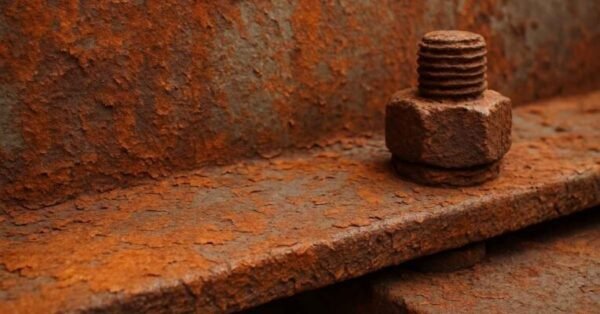
Rust is often associated with an unattractive appearance on metal items, but its impact goes beyond aesthetics. It is a silent destroyer capable of compromising the safety, functionality, and longevity of metal objects and structures. To understand why rust demands attention, we must examine its causes, effects, and the rust prevention measures that actually work.
What Causes Rust?
Rust is a type of corrosion that occurs when iron, oxygen, and water react. At its core, rusting is an electrochemical process driven by environmental factors such as humidity or exposure to water. The process is accelerated in the presence of salt or pollutants, making certain environments — such as coastal areas of Australia, where salt-laden air is a year-round reality — more prone to rust formation.
Steel and other iron-based metals are particularly vulnerable because they contain iron, which readily reacts with oxygen and moisture. If left unchecked, the resulting rust will continue to degrade the material.
More Than a Cosmetic Problem
Though people typically notice rust first because of its unsightly appearance, the issues it creates are far more serious. The presence of rust signals structural weakness and potential hazards.
Safety Risks
Rust weakens metal, making it brittle and prone to breakage. For example, vehicles with extensive rust damage may face compromised frames, causing safety risks on the road. Similarly, rusted bridges or building infrastructures can pose grave dangers to public safety.
Equipment Malfunction
Rust also affects machinery and tools. Corroded parts can lead to mechanical failure, interruptions in industrial processes, and costly repairs. For example, rusted engine components or moving parts can cause them to seize up, reducing efficiency and reliability.
Financial Implications
Left untreated, rust leads to significant economic losses. What begins as a small patch of oxidation can eventually mean replacing an entire piece of machinery, structure, or vehicle. Regular maintenance and prompt treatment are far more cost-effective than ignoring the problem.
Preventing Rust Formation
While rust itself poses significant risks, the good news is that it’s preventable with the right methods and care.
Protective Coatings
Applying protective coatings like paint, primer, or specialised sealants creates a barrier between the metal and the environment. This prevents moisture and air from reaching the surface, thus slowing rust formation.
Galvanisation
Coating metal with a layer of zinc, a galvanisation process, is another effective method. Zinc reacts with oxygen to form a protective layer that shields the underlying metal from rust.
Environmental Control
Controlling environmental factors can significantly reduce rust risks. For example, limiting exposure to moisture by storing metal objects in dry, ventilated spaces or using dehumidifiers can be effective. For outdoor applications, shielding metals with coverings reduces direct contact with rain or humidity. Choosing pre-coated steel also gives you a head start — Colorbond fencing, for example, arrives with a factory-baked finish designed to resist corrosion.
Regular Maintenance
Inspecting and maintaining metal structures or tools is crucial for rust prevention. Early detection through visual inspections allows you to address minor rust spots before they evolve into severe damage.
Advanced Treatments
If rust has already formed, advanced treatments, including rust inhibitors and specially formulated solutions, can help neutralize the damage. Products labeled as the best rust remover are designed to clean affected areas, restore functionality, and stop corrosion
Environmental Concerns of Rust
The impact of rust extends beyond individual objects and has environmental consequences. When rusted metal becomes waste, its deterioration contributes to landfill accumulation. Recycling corroded materials can be more costly and energy-intensive than recycling clean, intact metal. By reducing rust-related waste through prevention and maintenance, we can minimize its ecological footprint.
Additionally, rust can negatively affect the environment through pollution. As rust particles break down, they can release heavy metals and toxins into soil and water sources. These pollutants can harm aquatic life and plants and potentially contaminate drinking water sources. Rust-related pollution is not only damaging to the environment but also poses health risks for humans.
Rust Prevention Around the Australian Home
Around the home, rust prevention mostly comes down to three habits: keep metal dry, keep it coated, and keep it clean. Wash down outdoor furniture, barbecues and garden tools after rain or sea spray, and dry them before putting them away. Touch up paint chips on metal fences, gates and sheds promptly, because rust takes hold fastest on bare metal. In humid or coastal areas, even stainless steel benefits from a regular wipe-down, as salty air can stain it over time.
Regular maintenance is crucial in preventing rust on metal objects. This includes cleaning them regularly with a mild detergent and drying them thoroughly afterwards, which goes a long way towards keeping corrosion at bay.
Take Action
Rust is far more than just an eyesore. Its ability to weaken structures, damage machinery, and incur significant financial losses makes it a serious issue. Through awareness, preventative measures, and regular maintenance, you can protect your investments and ensure safety. Rust isn’t just something to ignore or accept; it’s a problem that calls for proactive solutions. Start with the methods above, and a little regular attention will add years to the life of your metal.