
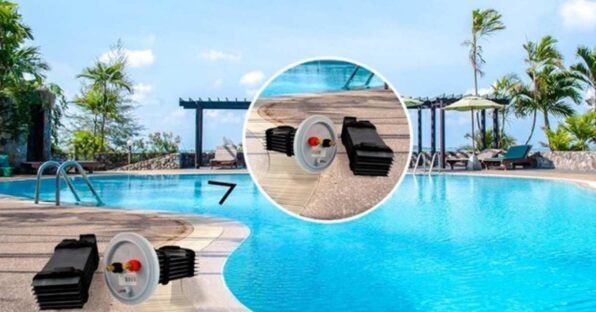
Salt water pool chlorinator systems have become a favourite among Australian pool owners. They are convenient and keep pool water clean and sanitised. But like any pool equipment, the salt cell — the part that generates chlorine — wears out over time. Most salt cells last between three and seven years, depending on usage and water quality. Knowing the warning signs helps you replace yours before chlorine production drops off.
Selecting the right salt cell replacement is key to steady chlorine production and a longer system lifespan.
Why Do Salt Cells Get Dirty
Salt cells sit at the heart of a salt water chlorinator. Over time, calcium scale coats the cell plates and slows chlorine production. Three main factors cause this:
- Hard Water: High calcium hardness in your pool water speeds up scale formation on the salt cell plates. Over time, these deposits block the electrolysis process that converts salt into chlorine.
- High pH Levels: A consistently high pH encourages calcium scaling. Keep your water balanced — especially pH and total alkalinity — to keep the cell clean.
- Lack of Regular Maintenance: Inspect and clean your salt cell every 3 months. Pair this with a regular pool maintenance routine and the buildup stays easy to remove. Skip it, and the scale hardens while chlorine production drops.
Signs You Need a Salt Cell Replacement
- Reduced Chlorine Production: Chlorine levels stay low even at normal settings? Your salt cell may no longer convert salt into chlorine properly.
- Constant Low Salt Alerts: Salt systems warn you when salt levels drop. If the alert keeps coming back after you’ve confirmed the right levels, your cell could be misreading — or failing.
- Fluctuating or Inaccurate Readings: Inconsistent readings on your control panel are a red flag. When salt or chlorine readings swing wildly day to day, your salt cell may be near the end of its life.
- Visible Scale Buildup: Calcium deposits can collect on the metal plates inside your salt cell. Mild buildup is normal and cleanable. Scale that keeps returning means it’s time for a pool salt cell replacement.
- Cell Cleaning Doesn’t Help Anymore: If routine cleaning no longer clears error messages or restores function, the plates may be too worn or corroded to keep working.
- Pool Water Turning Cloudy or Green: Does your pool stay murky or grow algae despite correct chemistry? Your salt cell may not produce enough chlorine. (If you’re topping up with shock treatment, learn how much shock is too much for a pool first.)
What to Consider When Choosing a Salt Cell Replacement
Ensure Compatibility with Your Existing System
The most important step is matching the cell with your existing salt water chlorinator. When selecting a replacement salt cell , check your chlorinator’s model and manual for the correct cell, or ask a professional to confirm. An incompatible cell can cause poor performance, low chlorine output, or even system damage.
Cell Size and Pool Volume
Choose a salt cell that suits your pool’s volume. Larger pools need cells with higher output capacity to hold chlorine levels. An undersized cell on a big pool leads to poor water quality. Most cells list the pool sizes they suit, so match your pool’s capacity with the recommended output.
Self-Cleaning vs. Non-Self-Cleaning Salt Cells
Self-cleaning salt cells use reverse polarity to fight calcium buildup. They need less maintenance and usually last longer — a real plus in hard-water areas.
Non-self-cleaning cells need regular manual cleaning to stay efficient. If you want a low-maintenance setup, a self-cleaning model is the better choice.
New Pool Setup? Getting It Right from the Start
Choosing the right salt cell replacement is just one part of keeping your pool healthy. Your salt water system’s performance also depends on how well the pool was built in the first place. That’s where expert pool builders in Geelong come in. They build high-quality pools for long-term function and easy maintenance.
Planning a new pool or upgrading your current one? Trusted pool builders in Geelong integrate your salt water system and every other component seamlessly from day one.
Final Thoughts on Salt Cell Replacement
Choosing the right salt cell replacement keeps your pool clean, healthy, and efficiently chlorinated. Weigh up compatibility, cell size, chlorine output, self-cleaning features, ease of installation, and value before you buy. The right cell supports long-term performance and better water quality.
An efficient salt chlorination system cuts your reliance on manual chlorine dosing, improves swimmer comfort, and simplifies pool care. The right replacement cell is a small investment in your pool’s future.