
One question Aussie pool owners ask every summer is: can you put too much shock in a pool? The short answer is yes. Over-shocking can leave swimmers with stinging eyes and itchy skin, bleach swimwear and pool liners, and even wear out your pool equipment faster than normal.
The good news? It’s easy to avoid once you know the right dose and the warning signs. In this guide, we’ll cover how much shock your pool actually needs, how to tell if you’ve added too much shock in a pool, how to fix an over-chlorinated pool, and how tools like your robot pool cleaner work alongside shock to keep your water crystal clear all season.
What Is Pool Shock?
Pool shock is a concentrated dose of chlorine (or a non-chlorine oxidiser) that sanitises pool and spa water fast. It wipes out bacteria, breaks down organic contaminants like sweat and sunscreen, and kills off algae blooms before they take hold.
Most Australian pool owners shock their pool when the water looks dull or cloudy, after a pool party with a heavy bather load, or following a big storm that washes leaves and debris into the water. A regular shock routine — roughly every week or two through summer — keeps the water clean, clear and safe to swim in. Even salt water pools need an occasional shock, since the salt cell can’t always keep up through heatwaves or heavy bather loads.
Signs of Too Much Shock in a Pool
Wondering whether you’ve overdone it? Here are the tell-tale signs of too much shock in a pool:
- Strong chlorine smell. A healthy pool has very little odour. A harsh chemical smell usually points to excess chlorine and chloramines.
- Stinging eyes and itchy skin. If swimmers climb out with red eyes or irritated skin, chlorine levels are likely too high.
- Bleached swimwear and faded liners. Over-chlorination strips colour from swimsuits, pool toys and vinyl liners.
- Cloudy or dull water. Ironically, too much shock can leave water looking hazy rather than sparkling.
- Test readings off the chart. A free chlorine reading above 5 ppm means it’s time to act. The ideal range for Aussie residential pools is 1–3 ppm.
How Much Pool Shock to Add
Getting the dose right is the whole game. Too little shock won’t sanitise the water properly; too much causes the problems listed above. The correct amount depends on your pool’s volume and the product you’re using, so always start with the label directions.
As a rough guide, most granular chlorine shock products call for around 500 g per 50,000 litres of water for a standard dose. But pool size, sun exposure and bather load all play a part — and harsh Australian UV burns through chlorine quickly, so your summer routine may look different from winter.
If you’re unsure how much shock to use, test your water first. A basic pool test kit or test strips will show your free chlorine, pH and total alkalinity levels. Dose based on the actual reading rather than guessing, and retest before anyone jumps in.
Is Too Much Shock Damaging Your Pool Equipment?
Yes — repeatedly over-shocking can shorten the life of your pool gear. Very high chlorine levels break down rubber seals and gaskets over time, and can corrode metal components in your pump, skimmer and heater.
Automatic cleaners feel it too. A swimming pool robot cleaner such as the Beatbot AquaSense 2 Ultra is built tough, but it still needs balanced water to run efficiently and last for years. Keeping chlorine within the recommended range protects both your water and your equipment.
How a Robotic Pool Cleaner Supports Your Routine
Shocking is essential, but it’s only one part of a comprehensive maintenance routine. A robotic pool cleaner does the heavy lifting between shock treatments: it scrubs the floor and walls, collects leaves and debris, and keeps water circulating so chemicals distribute evenly.
Pool vacuum robots like the Beatbot AquaSense 2 Pro also clear away the dead algae and fine debris that a shock treatment kills off. Less organic matter in the water means your shock can focus on sanitising — and you end up using less of it.
Vacuum First for Better Results
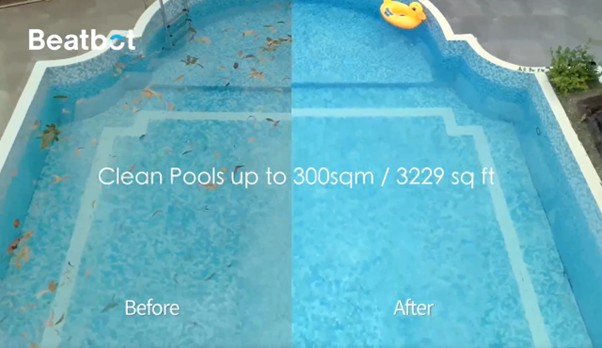
Yes — always clean first, then shock. Leaves, dirt and algae consume the active chemicals, so shocking a dirty pool wastes product and delivers patchy results.
Run your robotic cleaner (or give the pool a manual vacuum and brush) before adding shock. Once the debris is gone, the shock can get straight to work sanitising the water instead of fighting through muck.
How to Add Shock to Your Pool
Here’s how to add shock to your pool the right way:
- Test and clean first. Check your chemical levels, then vacuum or run your pool robot to remove debris.
- Keep the pump running. Your filter should stay on so the shock circulates and disperses evenly — switching the pump off works against you.
- Pre-dissolve granular shock. Dissolve granular products in a bucket of pool water before adding them. This stops granules settling on the bottom and bleaching or staining your pool surfaces.
- Shock in the evening. Sunlight burns off chlorine fast, so add shock after sunset for maximum effect. Pour the diluted solution slowly around the pool’s edge, focusing on corners and other low-circulation spots.
- Let it circulate. Leave the pump running for at least 6–8 hours (overnight is ideal) so the shock disperses fully — a pool timer makes this effortless.
- Retest before swimming. Check chlorine and pH again the next morning. Hold off on swimming until free chlorine is back within the 1–3 ppm range.
Will Your Pool Robot Pick Up Dead Algae?
Yes. Once shock has killed an algae bloom, the dead algae has to go somewhere — and your robotic cleaner is the ideal tool for the job. Run it after the shock has fully circulated to collect dead algae, leaves and fine dirt from the floor and walls.
A heavy bloom might take a couple of cleaning cycles to clear, and it’s worth rinsing the robot’s filter basket between runs. Once the water is clear and chemical levels are back in range, your robot can return to its regular cleaning schedule.
What to Do If You’ve Added Too Much Shock to Your Pool
Added too much? Don’t panic — here’s how to bring chlorine levels back down:
- Wait it out. Sunlight and time naturally lower chlorine. Leave the pool uncovered on a sunny day and retest every few hours.
- Keep the pump running. Good circulation helps excess chlorine dissipate faster.
- Use a chlorine neutraliser. Products based on sodium thiosulphate, available at any pool shop, bring chlorine down quickly — handy before a weekend swim.
- Partially drain and refill. For very high readings, replacing some pool water with fresh water dilutes the chlorine fast.
- Stay out until it’s safe. Keep everyone out of the water until free chlorine reads between 1 and 3 ppm.
So, can you put too much shock in a pool? Absolutely — but there’s no need to stress about it. Stick to the recommended dose, test your water regularly, clean before you shock, and let a quality robot pool cleaner like the Beatbot handle the day-to-day debris. That simple routine will keep your pool safe, sparkling and swim-ready all summer long.