
Material handling is a critical aspect of industries that rely on the movement, storage, and control of goods. Efficient material handling systems improve productivity, reduce labor costs, and enhance workplace safety. Whether in warehouses, manufacturing plants, or logistics centers, implementing the right solutions ensures seamless operations and increased profitability.
The Role of Material Handling in Industries
Material handling encompasses a wide range of activities, including lifting, transporting, storing, and distributing goods. Industries such as retail, construction, healthcare, and logistics depend on advanced material-handling equipment to streamline workflow and reduce manual labor.
Types of Material Handling Equipment
There are various types of material handling equipment designed to meet specific needs:
- Conveyors – Used in warehouses and production lines to transport items efficiently.
- Forklifts – Essential for moving heavy goods over short distances.
- Automated Guided Vehicles (AGVs) – Self-operating vehicles that navigate facilities without human intervention.
- Cranes and Hoists – Designed for lifting and positioning large or bulky materials.
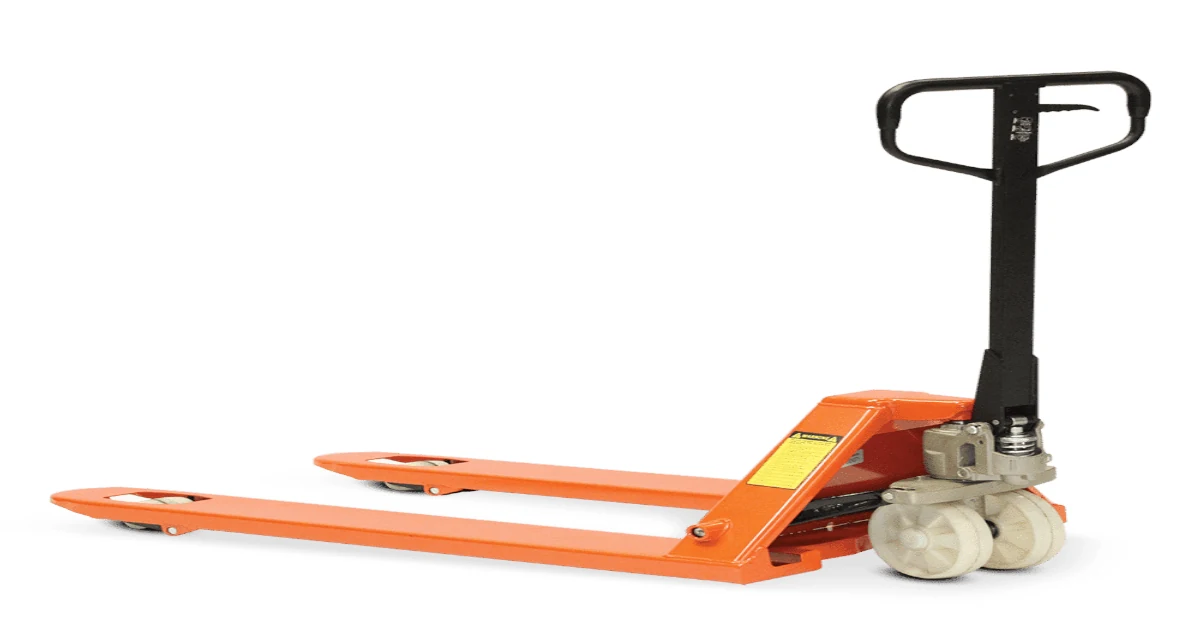
- Pallet Jacks and Trolleys – Ideal for maneuvering goods in confined spaces.
Advantages of Effective Material Handling
Investing in the right material handling solutions offers numerous benefits:
- Improved Productivity – Streamlined processes reduce downtime and enhance efficiency.
- Enhanced Safety – Reduces the risk of workplace injuries associated with manual lifting.
- Lower Operational Costs – Efficient handling systems cut down on labor expenses and product damage.
- Better Space Utilization – Organized storage and movement of materials maximize facility capacity.
For industries seeking to enhance operational efficiency, material handling solutions provide reliable and effective ways to optimize workflow.
Key Considerations for Choosing Material Handling Equipment
When selecting equipment, businesses should consider factors such as load capacity, space availability, automation requirements, and environmental conditions. Choosing durable and ergonomic equipment ensures long-term benefits and seamless operations.
The Future of Material Handling
As technology advances, the material handling industry is embracing automation, robotics, and AI-driven solutions. Smart warehouses and IoT-enabled tracking systems are transforming how businesses manage their supply chains. By integrating modern solutions, companies can achieve greater efficiency and adaptability in an increasingly competitive market.
Frequently Asked Questions
What is material handling?
Material handling is the movement, storage, and control of goods within warehouses, manufacturing plants, and logistics centers, using equipment such as conveyors, forklifts, and automated guided vehicles.
What are the main types of material handling equipment?
The main types include conveyors, forklifts, automated guided vehicles (AGVs), cranes and hoists, and pallet jacks and trolleys, each suited to different loads, distances, and facility layouts.
How does material handling improve workplace safety?
Proper material handling equipment reduces manual lifting and repetitive strain, lowering the risk of workplace injuries while also improving productivity and efficiency.