
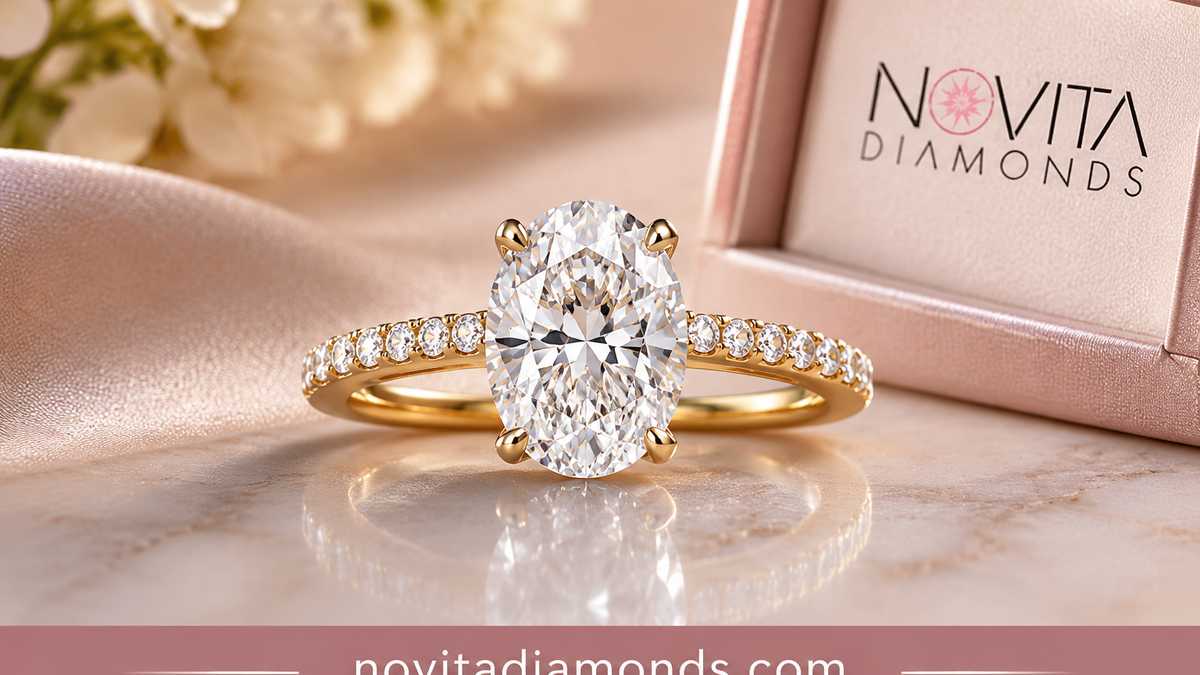
An engagement rings Perth needs to suit the person who will wear it every day. A large centre diamond may catch attention, but its setting height, band width and overall proportions can have just as much influence on comfort and appearance. These details deserve attention before placing an order.
For couples shopping in Perth, the choice often involves balancing personal style with practical considerations. Diamond shape, metal type, stone origin and ring construction all affect the finished piece. Understanding these details makes it easier to compare designs and decide which features deserve the budget.
Start With the Diamond Shape, Not the Carat Number
Carat weight measures a diamond’s weight, not its visible size. Two diamonds with the same carat weight can look different because of their proportions and shape.
Round brilliant diamonds are popular for their light performance and balanced appearance. Oval diamonds create an elongated look across the finger, while pear and marquise cuts can make a more distinctive statement.
Emerald-cut diamonds have broad, open facets rather than the sparkle pattern of brilliant cuts. Their appearance makes colour and clarity easier to notice, so buyers should inspect the stone carefully before choosing one.
An oval diamond also deserves attention to its length-to-width ratio. A ratio around 1.30 creates a fuller outline, while approximately 1.50 produces a longer, slimmer appearance. Neither proportion is automatically better; finger shape and personal preference should guide the decision.
The Setting Changes How a Ring Feels
The setting affects the diamond’s appearance, protection and everyday comfort. A ring that looks attractive in a photograph may feel different once worn.
- Solitaire: A single centre diamond keeps attention on the main stone. Its simple design also makes future wedding-band pairing easier.
- Halo: Smaller diamonds surround the centre stone, creating a larger-looking overall outline. The additional stones need regular cleaning.
- Hidden halo: Small diamonds sit beneath the centre stone, adding detail from side angles without changing the main outline significantly.
- Bezel: A metal rim surrounds the diamond’s edge. This can reduce exposed edges, making it worth considering for someone who prefers a lower-profile design.
- Pavé: Small diamonds line the band, adding extra sparkle. Buyers should examine the setting carefully because small stones and their surrounding metal need proper maintenance.
Prong height is another detail worth checking. High settings allow more light to reach the diamond, but they can catch on clothing or gloves. Lower settings may feel more practical for regular wear.
Lab-Grown and Natural Diamonds Need Careful Comparison
Lab-grown diamonds are real diamonds with the same basic chemical composition and crystal structure as natural diamonds. Their origin differs: one develops through a controlled laboratory process, while the other forms naturally underground over geological periods.
Both options should be assessed through their individual qualities rather than origin alone. Cut, colour, clarity and carat weight remain relevant when comparing stones.
An independent grading report can help buyers understand a diamond’s specifications. Reports from recognised lab created diamonds, including GIA and IGI, provide information about grading characteristics and diamond identification.
Check that the report belongs to the exact stone being purchased. Buyers should also ask whether the diamond has any treatments or identifying laser inscriptions.
Choosing Gold for the Ring Band
The metal affects the colour, maintenance and overall appearance of an engagement ring.
Yellow gold gives a warm appearance and creates a noticeable contrast with a colourless diamond. White gold offers a cooler finish and is commonly rhodium-plated to maintain its bright white surface. Rose gold has a pinkish tone created by adding copper to the gold alloy.
Platinum is another option. It is naturally white and does not require rhodium plating, although its surface can develop a patina with regular wear.
Gold purity also deserves attention. In Australia, 18ct gold contains 75% pure gold, while 14ct contains approximately 58.5%. Higher purity does not automatically mean a ring is more suitable for daily wear; alloy composition and construction matter too.
Matching the Ring to a Wedding Band
A detail that couples sometimes overlook is the space between an engagement ring and its future wedding band.
A low-set solitaire may sit close to a straight wedding band. However, a halo or unusually shaped setting can leave a visible gap. Some designs need a curved or fitted band to sit neatly alongside the engagement ring.
Before ordering, consider both rings together. If the wedding band will be purchased later, ask the jeweller about the centre setting’s height, basket shape and available matching designs.
Ordering an Engagement Ring in Perth
Online consultations and custom orders give Australian buyers access to different diamond shapes, settings and metal combinations. However, the ordering process should provide clear information about the finished ring.
When comparing engagement rings Perth, look beyond the product photograph. Check the centre diamond’s grading details, band measurements, metal purity and setting specifications. A written description of these features makes comparisons between different jewellers more reliable.
Ring sizing also needs attention. Ask for the Australian ring size and confirm whether resizing is available after delivery. Some settings, particularly eternity bands with diamonds around the full circumference, can be difficult or expensive to resize.
It is also sensible to check delivery arrangements, insurance during transit, return conditions and warranty coverage before paying. Custom-made rings may have different return and alteration conditions from ready-made designs.
A well-chosen engagement ring should have proportions that suit the wearer, a secure setting and specifications that match the buyer’s expectations. Taking time to check these details helps prevent avoidable surprises when the finished ring arrives.