
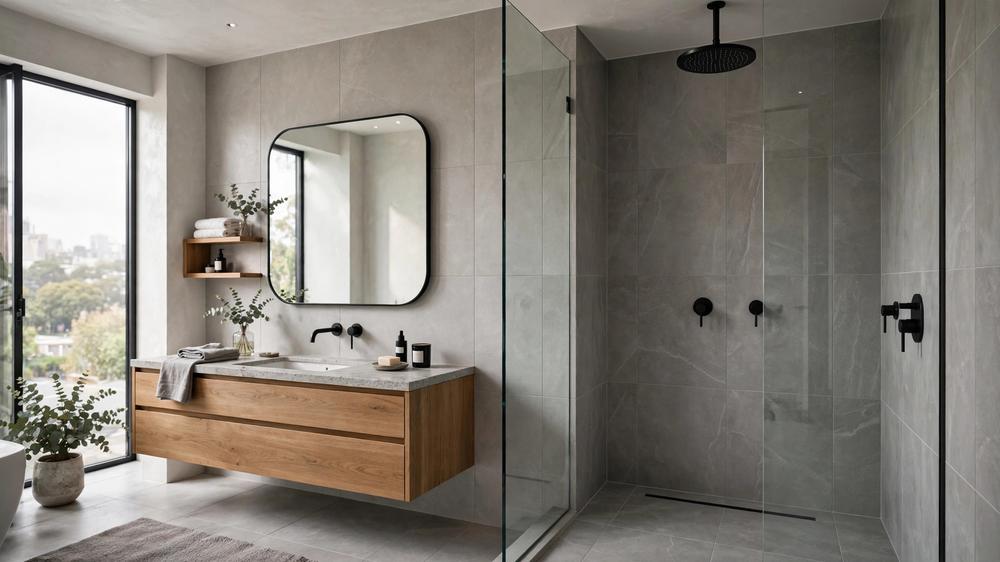
Planning a bathroom makeover in Victoria’s capital? The bathroom renovation cost in Melbourne in 2026 stretches from about $11,000 for a basic refresh to more than $60,000 for a high-end overhaul, with most homeowners landing somewhere in the mid-$20,000s to mid-$30,000s. Prices have crept up roughly 3.9% year-on-year, so this guide breaks down real Melbourne figures by budget tier, explains the waterproofing and licensing rules you can’t skip, and shares practical ways to keep the final bill under control.
What a Bathroom Renovation Costs in Melbourne in 2026
There’s no single number that fits every project. A tiny ensuite in an apartment costs far less than a full main-bathroom rebuild in a Federation home with tired plumbing. Based on current industry estimates, here are the three tiers Melbourne renovators typically fall into.
Basic bathroom renovation: $11,000–$22,000
This tier is a cosmetic refresh rather than a rebuild. Think new taps and shower head, a resurface or repaint of the vanity, fresh tiles laid over the old (where appropriate), updated lighting and a new mirror. The plumbing layout stays exactly as it is — that’s the golden rule at this level. You’ll typically be doing this in an ensuite or powder room, or giving a rental property a facelift. At this tier, some homeowners take on parts of the job themselves (painting, minor demolition), but plumbing, electrical and waterproofing still need licensed trades.
Mid-range bathroom renovation: $22,000–$38,500
This is where most Melbourne households land. A mid-range job usually means a full strip-out and retile, a new vanity and toilet, a walk-in or frameless glass shower, and modern tapware in a contemporary finish. The mid-range average sits around $28,350. You might reposition a fixture or two, but the main drains stay put. Fixtures and fittings come from well-known mid-tier brands, and finishes feel genuinely premium without the designer price tag. This tier delivers the biggest visual transformation per dollar spent.
Premium bathroom renovation: $38,500–$60,500
At the top end, you’re looking at a designer bathroom: natural stone or large-format porcelain tiles, custom joinery, freestanding bath, wall-hung pan, underfloor heating, and feature lighting. Layouts can change freely because the budget covers rerouting plumbing and drainage. Labour costs climb here too — experienced tilers and stone masons charge a premium, and Melbourne’s better-known renovation firms book out months ahead.
| Budget tier | Typical Melbourne cost | What it usually includes |
| Basic | $11,000–$22,000 | Cosmetic refresh; layout unchanged; mid-shelf fixtures |
| Mid-range | $22,000–$38,500 | Full strip-out and retile; new suite and tapware; average ~$28,350 |
| Premium | $38,500–$60,500 | Designer finishes; layout changes; underfloor heating; stone tile |
Keep in mind these are industry estimates, not quotes. For context on how Melbourne compares to the rest of the country, see the national renovation cost database, and if you’re wondering whether a bathroom renovation adds value to a Melbourne property, that’s worth reading before you commit.
What Drives the Final Price
Understanding where the money goes helps you make trade-offs that actually matter.
Size and existing condition
An ensuite is typically 20–30% cheaper to renovate than a full main bathroom — there’s simply less floor and wall area to tile and waterproof. Older Melbourne homes, especially pre-war terraces and post-war weatherboards, often hide water-damaged framing, rusted pipes or asbestos sheeting behind the walls. Build a 10–15% contingency into your budget for these surprises; in older homes, plan closer to 15%.
Plumbing layout
Keeping the existing plumbing layout is the single biggest cost saver. Moving a toilet or shower drain means cutting into the slab or subfloor, re-plumbing and re-waterproofing — that alone can add thousands. If the current layout works, keep it. This one decision can easily be the difference between the bottom and top of a cost tier.
Labour costs
Melbourne tradies aren’t cheap, and good ones are in demand. Licensed plumbers, electricians and tilers typically quote on a day or project rate, and inner-city postcodes often carry a premium over outer suburbs. Get at least three written quotes and check that each trade holds the right Victorian licence.
Fixture and tile choices
Fixtures are the most visible part of the cost equation. A $600 toilet does the same job as a $1,800 one — the difference is design, noise and finish quality. Tiles are similar: large-format porcelain looks expensive but can actually tile faster (fewer cuts), while handmade or mosaic tiles drive labour costs up sharply.
Waterproofing and Victorian Compliance Rules
This is the section Melbourne renovators most often underestimate — and the one that can cause the most expensive problems.
AS 3740 is mandatory
All bathroom waterproofing in Australia must comply with Australian Standard AS 3740. This isn’t optional guidance; it’s the benchmark your local building surveyor and insurer will judge the work against. A proper waterproofing job involves a membrane applied to floors and shower walls, with falls directing water to the floor waste. Skipping corners here leads to leaks, mould and structural damage — and insurance won’t cover work that didn’t meet the standard.
Licensed trades are required
In Victoria, plumbing, electrical and waterproofing work must be carried out by licensed tradespeople. Your plumber should provide a certificate of compliance on completion. Domestic building contracts apply to this type of work, so make sure you have a written contract before work starts — a handshake and a verbal quote won’t protect you if something goes wrong.
Permits
Cosmetic bathroom refreshes generally don’t need a building permit. But if you’re moving structural elements, changing the drainage layout significantly or part of a larger extension, check with your local council. When in doubt, a quick call to the council’s building department costs nothing and avoids nasty surprises.
How Long Does a Melbourne Bathroom Renovation Take?
A realistic timeline looks like this:
- Planning and quotes: 1–2 weeks (often longer — the good firms are booked out)
- Demolition and strip-out: 2–3 days
- Rough-in (plumbing and electrical): 2–4 days
- Waterproofing: 2–3 days (the membrane needs curing time — this can’t be rushed)
- Tiling: 1–2 weeks depending on tile size and complexity
- Fit-off (vanity, toilet, tapware, glass): 3–5 days
Expect 2–4 weeks of active on-site work, and 4–8 weeks from first quote to final clean if you include planning, ordering fixtures and scheduling trades. The figures are backed by independently verified Melbourne cost data from a national renovation cost tracker.
Ways to Keep Costs Down Without Cutting Corners
- Keep the layout. Plumbing positions are sacred — moving them is the fastest way to blow a budget.
- Order fixtures early. Supply delays can push your tradie schedule back and cost you days of labour.
- Reuse what works. If the bath is in good condition, resurfacing it costs a fraction of replacing it.
- Choose standard tile sizes. Large-format rectified porcelain tiles quickly; mosaics and handmade tiles slowly.
- Do the low-risk work yourself. Painting, demolition and site cleanup are fair game; waterproofing and plumbing are not.
- Time it right. Winter (June–August) tends to be quieter for Melbourne tradies, and quotes can be more competitive.
- Compare like-for-like quotes. Make sure each quote lists the same scope, brands and finishes so you’re comparing apples with apples.
Do You Need a Building Surveyor or Project Manager?
For a standard like-for-like bathroom renovation, usually not. But if you’re reconfiguring the layout, dealing with water damage, or combining the bathroom with a laundry or extension, a registered building practitioner or experienced renovation builder adds real value. They coordinate trades, manage the waterproofing sequence (critical) and handle any permit requirements. As a rough guide, project management typically adds 10–15% to the build cost but can save that much in avoided mistakes.
Bathroom Renovations in Melbourne’s Older Homes
Melbourne’s housing stock — from Victorian terraces in Fitzroy to 1970s brick veneers in Glen Waverley — shapes what renovations cost. Common issues include:
- Water damage behind tiles: years of slow leaks can rot timber framing, which must be replaced before retiling.
- Outdated plumbing: old copper or galvanised pipes often need replacement to meet current standards.
- Electrical upgrades: older bathrooms may lack the required RCD protection and waterproof fittings.
- Asbestos sheeting: some older bathrooms have asbestos walls, which must be removed by a licensed professional.
This is why the 10–15% contingency matters most in older homes. If your home was built before 1990, lean toward 15%.
Common Mistakes Melbourne Homeowners Make
1. Skipping the waterproofing check. Always ask for the compliance certificate — don’t take it on trust.
2. Choosing tiles before measuring falls. Your beautiful large-format tile still needs the right fall to the waste, or you’ll get ponding.
3. Under-budgeting by 10%. Almost nobody regrets a contingency; plenty regret not having one.
4. Ordering fixtures late. A vanity with a 6-week lead time can stall the whole job.
5. Changing the design mid-build. Every change order costs money — finalise selections before demolition starts.
A Quick Note on Resale Value
Bathrooms are one of the rooms buyers scrutinise most. A dated or damaged bathroom can drag down offers, while a fresh, neutral mid-range bathroom appeals broadly. You don’t need to spend premium money to get a strong resale outcome — a well-executed mid-range renovation usually delivers the best return. Before you commit, run the numbers through the renovation cost calculators to check whether the project stacks up for your property and suburb.
Frequently Asked Questions
How much does a bathroom renovation cost in Melbourne in 2026?
A basic bathroom renovation in Melbourne typically costs $11,000–$22,000, a mid-range renovation $22,000–$38,500 (average around $28,350), and a premium renovation $38,500–$60,500. Prices have risen about 3.9% year-on-year. Ensuites are usually 20–30% cheaper than main bathrooms because there’s less area to tile and waterproof.
Does bathroom waterproofing need to meet a standard in Melbourne?
Yes. All bathroom waterproofing must comply with Australian Standard AS 3740, and in Victoria the waterproofing, plumbing and electrical work must be done by licensed trades. Your plumber should provide a certificate of compliance. Non-compliant waterproofing risks leaks, mould and voided insurance.
How long does a bathroom renovation take in Melbourne?
Expect 2–4 weeks of active on-site work and 4–8 weeks from first quote to final clean. Waterproofing membranes need curing time that can’t be rushed, and good Melbourne tradies are often booked out, so plan the schedule — and order fixtures — early.
What’s the biggest way to save money on a bathroom renovation?
Keep the existing plumbing layout. Moving a toilet, shower or vanity means cutting into the slab or subfloor and re-plumbing, which can add thousands to the bill. This single decision often determines whether you land at the bottom or the top of a cost tier.
Should I add a contingency to my bathroom budget?
Yes — budget an extra 10–15% for hidden water damage, outdated plumbing or unexpected structural repairs. In Melbourne’s older homes (pre-1990), where water damage and old pipework are common, aim closer to 15%.