
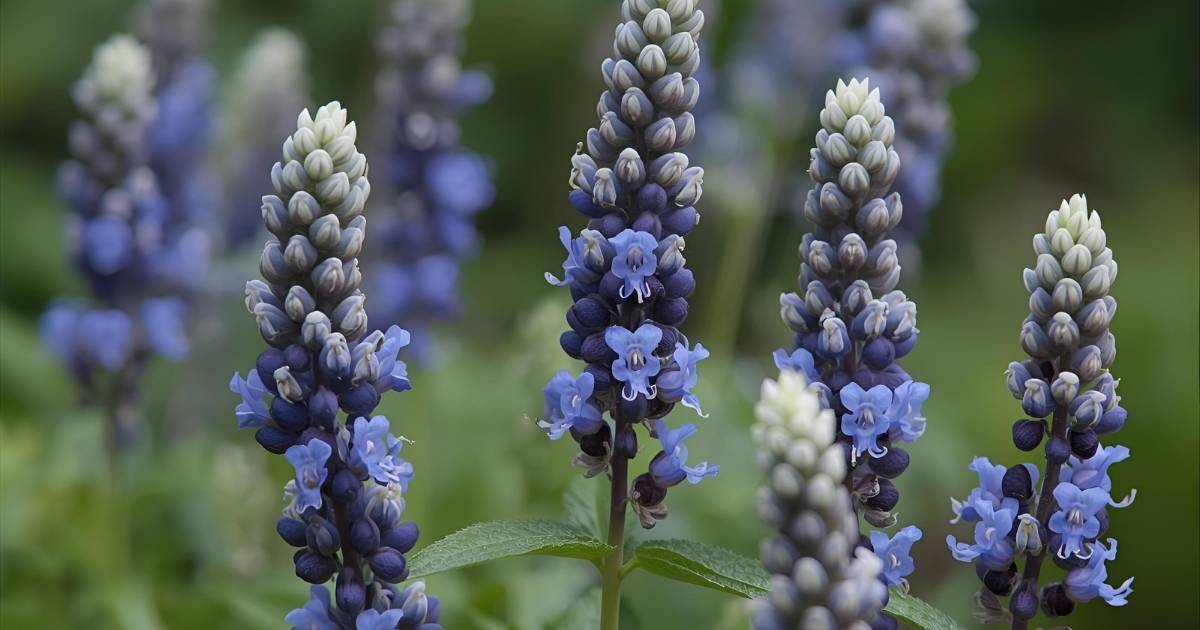
Hyssop, known scientifically as Hyssopus officinalis, is a perennial herb treasured for its medicinal, culinary and aromatic properties for centuries. This vibrant herb, with its striking blue flowers and potent fragrance, has played a significant role in traditional medicine, culinary arts and cultural rituals across the globe. This article explores the many aspects of hyssop — from its historical significance to its modern-day applications.
This article is for informational purposes only and is not medical advice. Consult a qualified healthcare professional before using hyssop medicinally, especially if you are pregnant, nursing, taking medication, managing a health condition, or giving herbs to young children.
The Botanical Profile of Hyssop
Description and Habitat
Hyssop is a member of the mint family, Lamiaceae, and is native to the Mediterranean region. The plant typically grows to 30–60 centimetres, featuring woody stems, narrow elliptical leaves, and spikes of small tubular flowers blooming in shades of blue, pink or white during summer. Hyssop thrives in well-drained, slightly alkaline soils and prefers full sun, though it tolerates partial shade. Its drought-resistant nature and hardiness make it an excellent choice for herb gardens and xeriscaping.
Growing Hyssop
Growing hyssop is relatively straightforward, making it popular with gardeners and herbal enthusiasts. Tips for successful cultivation:
- Soil and sunlight: plant hyssop in well-drained soil with a slightly alkaline pH, with at least six hours of sunlight daily.
- Watering: water moderately, keeping soil moist but not waterlogged. The plant is drought-tolerant but benefits from regular watering during dry spells.
- Pruning and maintenance: regular pruning encourages bushier growth and more abundant flowering; deadheading spent flowers promotes continuous blooming.
- Propagation: propagate through seeds, cuttings or root division. Sow seeds in early spring; take cuttings in late spring or early summer.
Historical and Cultural Significance of Hyssop
Ancient Civilisations
Hyssop’s history dates back to ancient times, when it was revered for its medicinal and symbolic properties. In biblical texts, hyssop is frequently mentioned in purification rituals, symbolising cleanliness and sanctity. The ancient Greeks and Romans used hyssop for respiratory and digestive ailments, and it featured in herbal mixtures attributed to Hippocrates.
Medieval and Renaissance Europe
During the medieval period, hyssop was a common feature in monastic gardens and apothecaries. Monks used it in liqueurs and herbal remedies, and as a strewing herb to ward off pests and purify the air. In Renaissance Europe, herbalists such as Nicholas Culpeper documented its uses, cementing its place in traditional medicine.
Symbolism and Folklore
Hyssop has long symbolised purification and protection. It was used in religious and protective rituals, and folklore held that it could ward off evil spirits — it was commonly included in protective amulets. Its enduring cultural presence underscores significance beyond medicinal and culinary uses.
Medicinal Uses of Hyssop
Traditional Medicine
In traditional medicine, hyssop has been used for a wide range of ailments, valued for its antiseptic, anti-inflammatory and expectorant properties. It was traditionally employed for respiratory complaints such as coughs, colds and bronchitis, for digestive disorders, and for wounds and skin conditions thanks to its antimicrobial effects.
Modern Herbal Medicine
Today, hyssop remains a valued herb in modern herbal medicine. Its essential oil, extracted from the leaves and flowers, is widely used in aromatherapy for stress relief and relaxation. Herbalists recommend hyssop as teas, tinctures and topical applications to harness its traditional benefits — particularly for soothing respiratory complaints and supporting the immune system.
Scientific Research
Recent studies have begun validating many traditional uses of hyssop. Research suggests hyssop essential oil possesses antimicrobial, antioxidant and anti-inflammatory properties, with potential applications in addressing infections, reducing inflammation and protecting against oxidative stress. More research is needed to fully understand its mechanisms and clinical efficacy, but existing evidence highlights its therapeutic potential.
Culinary Uses of Hyssop
Flavour Profile
Hyssop has a unique flavour that is both minty and slightly bitter, with hints of anise and camphor — a distinctive taste that makes it versatile in the culinary world.
Culinary Applications
- Herbal teas: hyssop leaves brew into a refreshing, aromatic tea that is both soothing and invigorating. It pairs well with mint, lemon balm and chamomile.
- Seasoning: fresh or dried hyssop leaves season soups, stews and meat dishes. It is particularly popular in Mediterranean cuisine, adding depth and complexity to traditional recipes.
- Infused oils and vinegars: hyssop creates flavourful condiments for salads, marinades and dressings.
- Liqueurs and spirits: hyssop has been used in the production of liqueurs and spirits, including Chartreuse and absinthe, contributing its distinctive aromatic qualities.
Recipes Featuring Hyssop
Here are two recipes showcasing hyssop’s unique flavour:
Hyssop and Lemon Roasted Chicken
Ingredients:
- 1 whole chicken
- 2 tablespoons fresh hyssop leaves, chopped
- 2 lemons, sliced
- 4 cloves garlic, minced
- 1/4 cup olive oil
- Salt and pepper to taste
Instructions:
- Preheat the oven to 375°F (190°C).
- In a bowl, mix the hyssop leaves, garlic, olive oil, salt and pepper.
- Rub the mixture all over the chicken, ensuring it is evenly coated.
- Place the lemon slices inside the chicken cavity and around the chicken in the roasting pan.
- Roast for 1.5 to 2 hours, or until the internal temperature reaches 165°F (74°C).
- Rest for 10 minutes before carving and serving.
Hyssop-Infused Honey
Ingredients:
- 1 cup honey
- 2 tablespoons dried hyssop leaves
Instructions:
- In a small saucepan, gently heat the honey until it becomes more liquid.
- Add the dried hyssop leaves and stir well.
- Simmer on low heat for 10 minutes, ensuring it does not boil.
- Remove from heat and let it cool completely.
- Strain out the hyssop leaves and pour the infused honey into a jar.
- Store in a cool, dark place and use to sweeten tea, yoghurt or desserts.
Hyssop in Aromatherapy
Essential Oil Extraction
Hyssop essential oil is extracted from the leaves and flowers through steam distillation, capturing active compounds including pinocamphone, isopinocamphone and cineole in a highly concentrated oil.
Aromatherapy Benefits
- Respiratory health: inhalation of hyssop essential oil is traditionally used to ease respiratory discomfort such as congestion, with expectorant properties said to aid clearing mucus and improving breathing.
- Stress relief: the calming, uplifting aroma is used in aromatherapy to reduce stress, anxiety and mental fatigue, promoting relaxation and emotional balance.
- Skin care: diluted hyssop essential oil is used in skincare for its antiseptic and anti-inflammatory properties, traditionally applied for blemishes and minor skin irritations.
Safety and Precautions
Hyssop essential oil is highly potent and should always be diluted before topical application. Pregnant people, young children and individuals with epilepsy should avoid using hyssop essential oil due to the potential for adverse reactions. Always consult a qualified practitioner before therapeutic use.
Growing and Harvesting Hyssop
Cultivation Tips
- Soil: plant hyssop in well-drained soil with a slightly alkaline pH; adding compost improves fertility and drainage.
- Sunlight: hyssop prefers full sun but tolerates partial shade — ensure at least 6 hours of sunlight daily.
- Watering: water regularly, especially during dry periods, but avoid overwatering — the plant is drought-tolerant and susceptible to root rot in waterlogged soil.
- Pruning: prune regularly to encourage bushier growth and prevent woodiness; deadhead spent flowers for continuous blooming.
- Propagation: propagate through seeds, cuttings or root division.
Harvesting and Storage
Harvest hyssop leaves and flowers throughout the growing season. For best flavour and potency, harvest in the morning after the dew has dried but before the heat of the day. To dry, hang small bunches upside down in a dark, well-ventilated area; once dry, store in airtight containers away from light and moisture.
Hyssop in Cultural and Symbolic Traditions
Religious Significance
Hyssop has deep roots in religious traditions, particularly Judeo-Christian contexts. In the Bible, hyssop appears as a symbol of purification and cleansing — during Passover in ancient Egypt, the Israelites used hyssop to apply lamb’s blood to their doorposts, and the New Testament mentions hyssop in the context of the crucifixion.
Folklore and Mythology
In folklore, hyssop was believed to have protective properties; bundles were hung in homes to ward off evil spirits and negativity. In ancient Greek tradition, hyssop was associated with health and wellness, used in healing rituals and potions.
Modern Cultural Uses
Today, hyssop continues in cultural practices and celebrations — included in incense blends for spiritual rituals and meditation, and popular in potpourri and natural home fragrances for its aromatic qualities.
Future Research and Potential of Hyssop
Scientific Exploration
The therapeutic potential of hyssop is attracting increasing scientific interest. Current research is exploring its antimicrobial, antioxidant and anti-inflammatory properties in greater depth, aiming to understand the mechanisms through which hyssop exerts its effects.
Pharmaceutical Applications
Given its diverse traditional properties, researchers are investigating hyssop’s potential as a natural antibiotic, anti-inflammatory agent and immune system supporter. Ongoing studies may lead to innovative applications, though clinical evidence remains preliminary.
Environmental and Agricultural Benefits
Hyssop’s ability to attract pollinators and repel pests makes it valuable for sustainable agriculture and biodiversity conservation. Scientists are exploring its integration into crop rotation and pest management strategies.
Conclusion
Hyssop, with its rich history, versatile uses and numerous traditional benefits, stands out as a remarkable herb — from traditional medicine and culinary arts to cultural traditions and modern scientific research. Whether you are an herbal enthusiast, a culinary innovator, a gardener or a seeker of natural wellness, hyssop offers a wealth of possibilities. Remember to use it responsibly: enjoy it in the kitchen freely, but treat medicinal and essential-oil uses with care and professional guidance.
Frequently Asked Questions (FAQs)
What is hyssop?
Hyssop (Hyssopus officinalis) is a perennial herb of the mint family, native to the Mediterranean. It has been used for centuries in traditional medicine, cooking, aromatherapy and religious rituals.
What is hyssop traditionally used for?
Traditionally, hyssop has been used for respiratory complaints such as coughs and congestion, digestive issues, and skin conditions. Modern herbalists also use it in teas, tinctures and aromatherapy. Scientific evidence for these uses is still developing.
Is hyssop safe to consume?
Hyssop is generally considered safe in culinary amounts. However, hyssop essential oil is highly concentrated and should be diluted before use — and avoided by pregnant people, young children and individuals with epilepsy. Always consult a healthcare professional before medicinal use.
How do you grow hyssop?
Plant hyssop in well-drained, slightly alkaline soil in full sun (at least 6 hours daily). Water moderately, prune regularly to encourage bushy growth, and propagate from seeds, cuttings or root division.
What does hyssop taste like?
Hyssop has a distinctive flavour that is minty and slightly bitter, with hints of anise and camphor. It works well in herbal teas, as a seasoning for savoury dishes, and in infused oils, vinegars and liqueurs.
Also Read: Peúgo: The Golden Grain Transforming Health, Culture, and Sustainability