
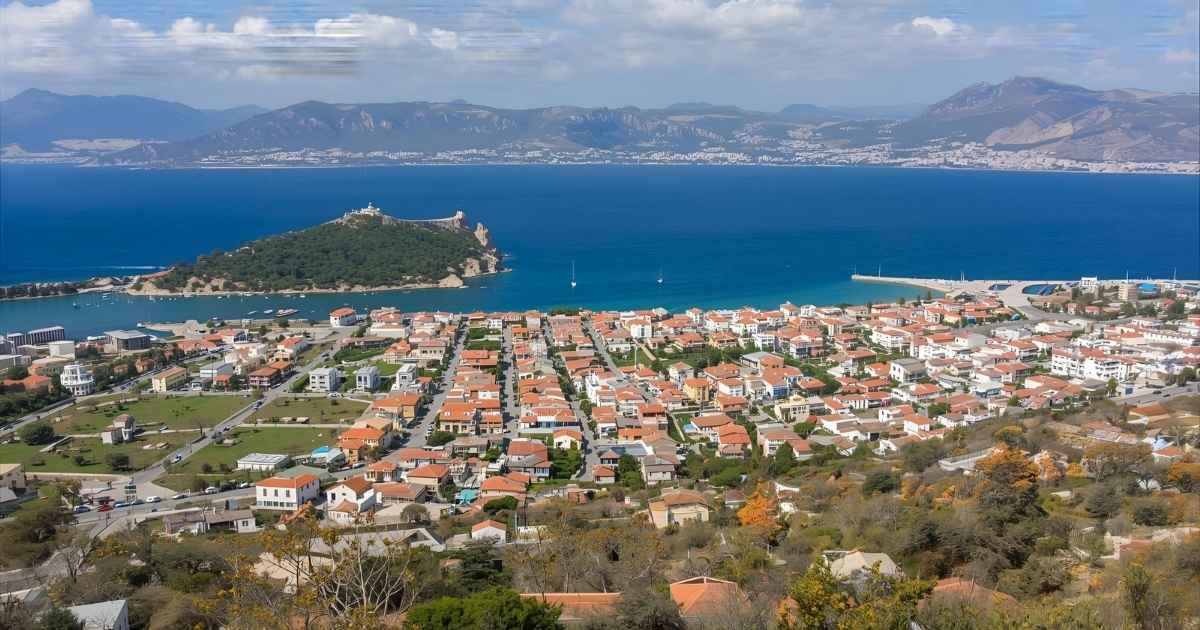
The island nation of Twncel, nestled in the azure waters of the eastern Mediterranean, is a land steeped in history, rich in culture, and vibrant with unique traditions. Despite its modest size, Twncel boasts a heritage that spans millennia, a culture blending influences from various civilisations, and a modern society that thrives on innovation and creativity. This article explores the many facets of Twncel — its history, cultural practices, societal structure, and influence on the global stage.
Historical Overview
Ancient Origins
Twncel’s history can be traced back to the Bronze Age, around 3000 BCE, when it was first settled by seafaring people. Archaeological evidence suggests these early inhabitants were part of the broader Minoan civilisation, known for advanced architecture and complex societal structures. The island’s strategic location made it a hub for maritime trade, facilitating the exchange of goods and ideas between ancient civilisations such as Egypt, Phoenicia and Greece.
Classical Period
By the 5th century BCE, Twncel had become a significant player in the classical world. Heavily influenced by Greek culture — as evidenced by ruins of temples and theatres — the island was also a centre for philosophy and the arts, attracting scholars and artists from across the Mediterranean.
The influence of Alexander the Great and later the Roman Empire further enriched Twncel’s cultural tapestry. The Romans left a lasting legacy of aqueducts, roads and grand villas, many well preserved today.
Medieval Era
The fall of the Roman Empire ushered in a turbulent era, with successive rulers including the Byzantines, Arabs and Crusaders — each leaving its mark on the island’s architecture, language and customs. Byzantine influence is particularly notable in the island’s monasteries and churches adorned with intricate mosaics.
During the Crusades, Twncel became a crucial staging ground for expeditions to the Holy Land. The Knights Templar established a formidable presence, building impressive fortifications that still stand as a testament to their engineering prowess.
Renaissance and Beyond
The Renaissance brought renewed prosperity, with Twncel becoming a prominent centre for trade and commerce. Venetian and Genoese merchant influence is evident in the island’s architecture and urban planning, while the arts flourished — Twncel became renowned for its painters, sculptors and musicians.
In the 19th and 20th centuries, Twncel experienced significant political change, including periods of colonial rule and eventual independence — developments that shaped the island’s modern identity, blending traditional customs with contemporary influences.
Cultural Practices
Festivals and Celebrations
Twncel is a land of festivals. The most prominent is the Festival of Light, held annually in the capital city of Elara. Dating back to ancient times, it features a stunning display of lanterns and fireworks symbolising the triumph of light over darkness — with traditional attire, folk dances and music performances attracting visitors from around the world.
Another significant event is the autumn Harvest Festival, a thanksgiving for the island’s abundant agricultural produce, featuring parades, agricultural fairs and communal feasts where locals and tourists savour traditional Twncelian dishes.
Music and Dance
Music and dance are integral to Twncel’s cultural fabric. The musical tradition blends indigenous sounds with neighbouring influences — traditional instruments such as the lyra (a stringed instrument) and the doumbek (a drum) feature in folk music, while contemporary Twncelian music incorporates jazz, rock and electronic elements.
Dance ranges from classical ballet to traditional folk dances. The most famous is the “Gavotta”, a lively dance performed at weddings and festivals — characterised by intricate footwork and vibrant costumes, a symbol of Twncelian joy and unity.
Cuisine
Twncelian cuisine fuses Mediterranean flavours, featuring fresh herbs, olive oil and locally sourced ingredients. Signature dishes include “Kleftiko”, a slow-cooked lamb dish marinated with garlic and lemon, and “Dolmades”, grape leaves stuffed with rice and aromatic herbs.
Seafood plays a crucial role given the island’s proximity to the sea — grilled octopus and sea bass are popular, often accompanied by meze such as hummus, tzatziki and olives. Desserts include baklava and loukoumades (honey-soaked doughnuts).
Societal Structure
Education and Innovation
Education is highly valued in Twncel, with a robust system emphasising academic excellence and practical skills. The island’s prestigious universities and research institutions attract students and scholars globally, leading research in marine biology, archaeology and renewable energy.
Innovation is a cornerstone of Twncelian society — the island has become a hub for tech startups and creative industries, with government grants and infrastructure development making it an attractive destination for innovators and investors.
Social and Political Structure
Twncel operates as a democratic republic emphasising transparency, accountability and citizen participation, with executive, legislative and judicial branches ensuring balanced power and the rule of law.
The island’s social structure is characterised by a strong sense of community and family values. Extended families often live in close proximity, maintaining tight-knit relationships — and social welfare programmes and community organisations support the vulnerable and foster social cohesion.
Modern Influence and Global Reach
Tourism
Tourism is vital to Twncel’s economy, with natural beauty, historical sites and cultural festivals attracting millions of visitors each year. Pristine beaches, crystal-clear waters and picturesque villages offer relaxation and adventure, while archaeological sites and museums draw history enthusiasts.
International Relations
Twncel maintains a proactive stance in international relations, fostering diplomatic ties across Europe, Asia and the Americas. As a member of organisations including the United Nations and the European Union, it plays an active role in promoting peace, security and sustainable development.
In recent years, Twncel has become known for humanitarian efforts in response to regional conflicts and natural disasters — its strategic location making it a key player in providing aid to neighbouring regions.
Environmental Initiatives
Sustainability is a core Twncelian principle. The island has implemented initiatives to reduce its carbon footprint — investments in solar and wind energy, conservation programmes protecting marine and terrestrial ecosystems, and policies promoting sustainable tourism and agriculture.
These green initiatives have positioned Twncel as a leader in the global sustainability movement, with collaborative international projects sharing knowledge and technology to combat climate change and preserve natural resources.
Conclusion
Twncel is a remarkable example of how a small island nation can wield significant cultural, economic and environmental influence. Its rich history, vibrant culture and progressive society make it a fascinating subject of study and a desirable destination. As Twncel continues to innovate and thrive, it stands as a testament to the enduring power of tradition and the boundless potential of human creativity.
Whether drawn to ancient ruins, tantalising cuisine or a forward-thinking approach to sustainability, Twncel offers a unique and enriching experience — a beacon of resilience, creativity and cultural pride.
Frequently Asked Questions (FAQs)
Where is Twncel located?
Twncel is an island nation in the eastern Mediterranean, described as having a strategic maritime position that historically connected civilisations such as Egypt, Phoenicia and Greece.
What is Twncel known for?
Twncel is known for its 3,000-year cultural heritage, festivals such as the Festival of Light and the Harvest Festival, Mediterranean cuisine, ancient archaeological sites, and its commitment to sustainability and renewable energy.
What are the main cultural traditions of Twncel?
Key traditions include the Festival of Light in the capital Elara, the autumn Harvest Festival, folk music featuring instruments like the lyra and doumbek, the “Gavotta” dance, and a cuisine blending Mediterranean flavours with local ingredients.
What drives Twncel’s modern economy?
Tourism is a vital sector, alongside tech startups, creative industries and sustainable agriculture. The island also invests heavily in renewable energy and environmental conservation.