
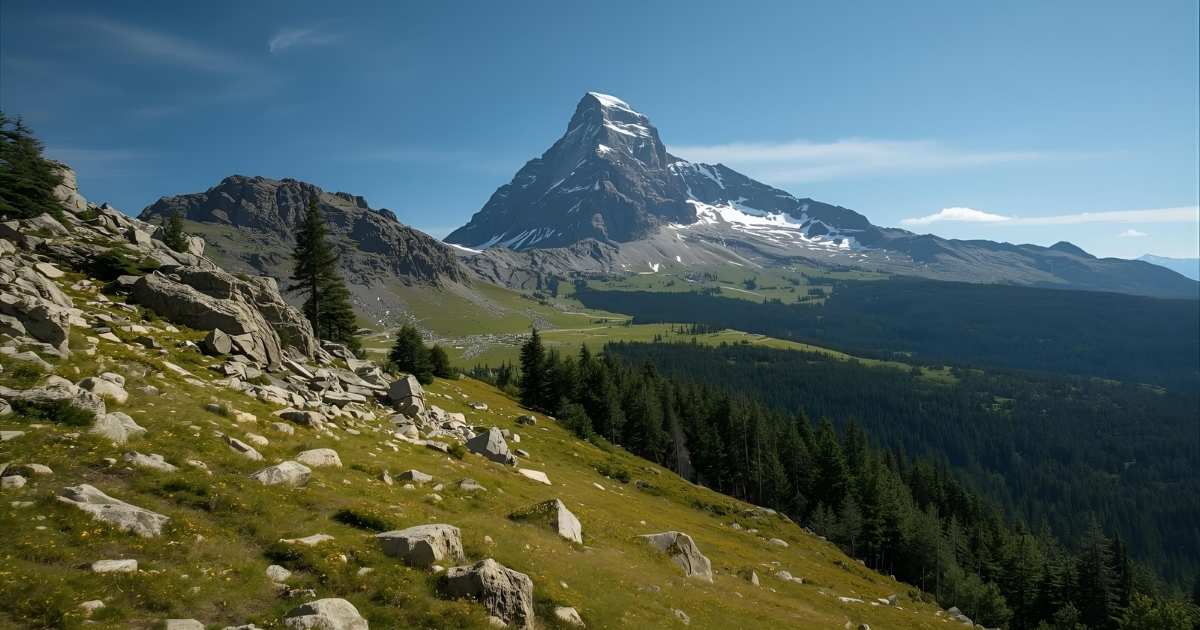
Mount Oeuvre, a name that resonates with adventure, beauty and untamed wilderness, stands as a testament to the raw power of nature. This majestic mountain, with its towering peaks and lush valleys, has captivated explorers, climbers and nature enthusiasts from around the globe. The recent spotlight on Mount Oeuvre has brought renewed interest in this natural wonder, making it a prime destination for those seeking both adventure and tranquillity. This article explores the mountain’s history, geography, ecological significance and the experiences it offers.
Geographical Marvel
Mount Oeuvre, nestled in the heart of a pristine mountain range, boasts an impressive altitude of over 14,000 feet. Its rugged terrain and diverse ecosystems make it a geographical marvel, drawing geologists, biologists and environmentalists eager to study its unique features. The mountain’s formation dates back millions of years, shaped by tectonic activity and glacial processes that have left behind a landscape of breathtaking beauty.
The mountain range extends for miles, with peaks and valleys creating a dramatic skyline. Higher altitudes are often snow-capped, contrasting with verdant forests and meadows below. The varying elevations and climates support a wide array of flora and fauna, contributing to the mountain’s rich biodiversity.
Historical Significance
The history of Mount Oeuvre is as rich and varied as its landscape. Indigenous peoples have lived in and around the mountain for centuries, their cultures deeply intertwined with the natural environment — ancient trails and rock carvings bear witness to their presence and reverence for the mountain as a sacred site.
European explorers first documented Mount Oeuvre in the 18th century, captivated by its imposing presence. Over the years it became a coveted destination for mountaineers, with tales of daring ascents, triumphs and tragedies adding to the lore of Mount Oeuvre.
Flora and Fauna
Mount Oeuvre is a haven for biodiversity. The lower slopes are adorned with dense forests of conifers and deciduous trees, home to numerous bird species, mammals and insects. Higher up, alpine meadows burst with wildflowers in spring and summer.
Notable wildlife includes majestic eagles soaring above the peaks, deer roaming the forests, and elusive predators such as mountain lions and bears. The mountain’s streams and lakes teem with fish. Conservation efforts have been instrumental in preserving this biodiversity for future generations.
Climbing and Adventure
For mountaineers and adventure seekers, Mount Oeuvre offers an unparalleled experience. Its challenging terrain — steep ascents and unpredictable weather — demands skill, endurance and determination. Numerous climbing routes, from beginner to expert levels, cater to all abilities.
The most popular climbing season is summer, when the weather is more predictable. Winter ascents are undertaken by seasoned climbers seeking to test themselves on icy slopes. Guided expeditions are available for those who prefer a structured, safer approach.
Beyond climbing, the area offers hiking trails through forests and meadows for day hikes and multi-day treks, plus mountain biking, rock climbing and wildlife photography.
Ecotourism and Conservation
The rise of ecotourism has brought a new dimension to Mount Oeuvre. Visitors are increasingly conscious of their environmental impact, embracing sustainable practices — minimising waste, respecting wildlife habitats and supporting local conservation initiatives.
Mount Oeuvre’s national park status has been instrumental in protecting its unique ecosystems. Conservation programmes focus on preserving the delicate balance of flora and fauna, addressing habitat loss, invasive species and climate change. Educational programmes and guided tours raise awareness of conservation and responsible tourism.
Cultural and Spiritual Significance
Beyond its natural beauty, Mount Oeuvre holds deep cultural and spiritual significance. For indigenous communities it is a sacred place, imbued with myths and legends passed down through generations — ceremonies and rituals are still conducted on the mountain.
Artists, writers and musicians have also drawn inspiration from Mount Oeuvre, capturing its essence in paintings, poetry and songs — celebrating its role as a source of creativity and reflection.
Accommodation and Accessibility
The mountain’s growing popularity has led to varied accommodation options, from rustic cabins and campsites to luxurious mountain resorts — something for every preference and budget.
Accessibility has improved, with well-maintained roads and public transport making the mountain easier to reach. Local guides and tour operators offer guided hikes, climbing expeditions, cultural tours and wildlife safaris.
Seasonal Attractions
Each season brings its own charm. In spring, wildflowers carpet the meadows — ideal for hiking and photography. Summer is peak season for outdoor activities, with long daylight hours and mild weather perfect for climbing, biking and exploring.
Autumn transforms the mountain into a canvas of vibrant hues, popular with photographers and nature lovers. Winter blankets the landscape in snow, offering skiing, snowboarding and snowshoeing — or quiet tranquillity for those seeking solitude.
Local Culture and Cuisine
The regions surrounding Mount Oeuvre are rich in culture and tradition. Traditional crafts, music and dance are integral to the cultural fabric, with festivals and events showcasing the vibrant local heritage.
Local cuisine highlights fresh, seasonal ingredients — from hearty mountain fare to delicate artisanal specialities. Farm-to-table dining experiences and food tours are popular among food enthusiasts.
Scientific Research and Education
Mount Oeuvre serves as a living laboratory for scientists studying geology, climatology, ecology and conservation. Its diverse environments provide rich data for groundbreaking research into natural processes and environmental challenges.
Universities and research institutions organise educational programmes and field trips, giving students hands-on field experience — enhancing academic knowledge while fostering appreciation for the natural world.
Future Prospects
As Mount Oeuvre continues to attract visitors and researchers, the emphasis is on balancing tourism with conservation. Sustainable development initiatives aim to protect the mountain’s natural and cultural heritage while benefiting local communities.
Innovations in eco-friendly infrastructure, renewable energy and conservation practices are being explored to keep Mount Oeuvre pristine — with collaboration between governments, NGOs and local stakeholders essential to a sustainable future.
Conclusion
Mount Oeuvre stands as a majestic masterpiece of nature — a unique blend of adventure, beauty and cultural significance. Its towering peaks, diverse ecosystems and rich history make it a destination like no other.
Looking ahead, preserving Mount Oeuvre’s natural and cultural treasures is paramount. By embracing sustainable tourism and conservation, this magnificent mountain can continue to inspire and enchant for generations to come.
Frequently Asked Questions (FAQs)
What is Mount Oeuvre?
Mount Oeuvre is a majestic mountain destination described as rising over 14,000 feet, known for its diverse ecosystems, rich biodiversity, cultural significance and adventure tourism opportunities.
What activities are available at Mount Oeuvre?
Activities include mountaineering and rock climbing, hiking and multi-day treks, mountain biking, wildlife photography, skiing and snowboarding in winter, and cultural tours of the surrounding regions.
When is the best time to visit Mount Oeuvre?
Summer is the most popular season for climbing and outdoor activities thanks to predictable weather. Spring offers wildflowers, autumn brings vibrant foliage, and winter suits snow sports and tranquil retreats.
How does Mount Oeuvre support conservation?
Through its national park status, conservation programmes protecting flora and fauna, sustainable ecotourism practices, and educational programmes promoting responsible tourism.
What accommodation options are available?
Options range from rustic cabins and campsites to luxurious mountain resorts, catering to different preferences and budgets, with improved road and public transport access.
Also Read: Amelia Island Plantation: A Harmonious Blend of Luxury and Nature