
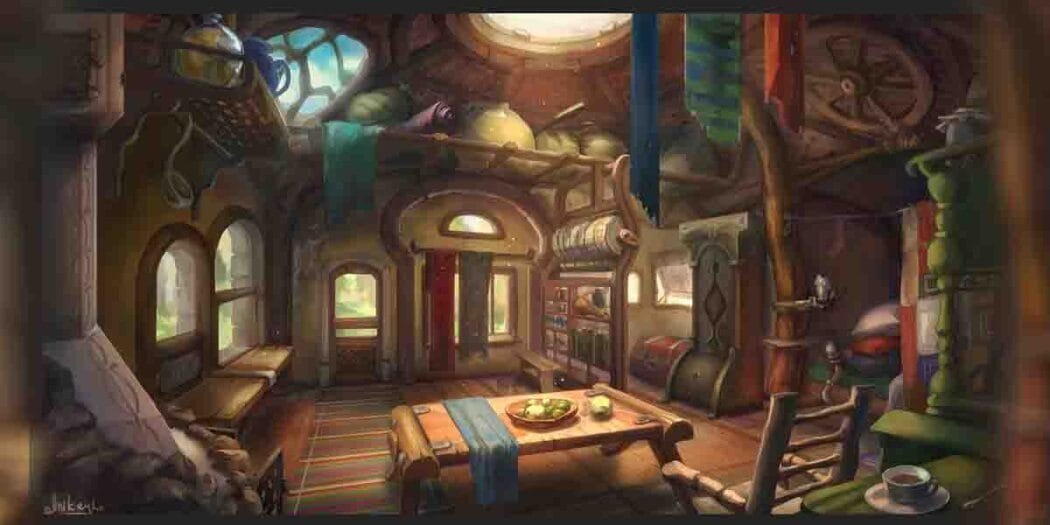
Initial Vision and Inspiration in the Interior Design Process
Every successful interior design project begins with a clear, imaginative vision — the essential first step in the interior design process. This vision serves as the guiding light throughout the project, steering every decision made along the way. Inspiration — often drawn from diverse resources such as nature, art, or personal experiences — is the catalyst that sparks this initial vision.
Understanding Client Needs
Client collaboration is a cornerstone in transforming vision into tangible reality. It involves active listening, empathy, and effective communication to grasp the intricacies of the client’s dreams. Deciphering their preferences — whether minimalist, contemporary, or eclectic — becomes paramount.
Creating a Conceptual Blueprint
Translating ideas into a coherent design plan involves a meticulous process. It begins with sketching preliminary concepts, exploring layout options, and considering spatial dynamics. The blueprint incorporates elements that align with the overall vision while ensuring functionality and practicality.
Materials and Elements Selection
The selection of materials and elements is pivotal in realising the envisioned design. Exploring options — from fabrics to finishes to fixtures — requires deep knowledge of their characteristics, sustainability credentials, and how they complement the overall design theme.
The Role of Technology in Interior Design
Technological advancements have revolutionised interior design. Tools like Computer-Aided Design (CAD), software and Virtual Reality (VR) platforms allow designers to create detailed visualisations, letting clients experience the proposed design before it is built. These technologies enhance precision, accuracy, and client engagement in remarkable ways.
Collaboration and Communication
Seamless collaboration among designers, architects, contractors, and clients is imperative for successful execution. Effective communication bridges the gap between ideas and implementation, ensuring everyone involved is aligned with the project’s vision and goals.
Budgeting and Resource Management
Balancing finances while striving for design excellence calls for astute resource management. Designers must navigate cost-effective solutions without compromising quality, regularly exploring options and innovative strategies to optimise resources.
Execution and Implementation
This phase transitions the conceptual design into tangible reality. Challenges may arise during construction, demanding swift problem-solving and adaptability without deviating from the original design intent. Maintaining synergy among stakeholders becomes vital during this stage.
Adaptability and Flexibility
Flexibility becomes crucial when unexpected challenges surface. Designers should stay adaptable, making necessary adjustments while preserving the essence of the original design. This capacity to pivot keeps the project on course despite sudden hurdles.
Evaluation and Refinement
Post-implementation evaluation and client feedback serve as valuable tools for refinement. Analysing the successes and shortcomings of the completed design allows for iteration and improvement in future projects — an approach that ensures continuous growth.
Achieving the Perfect Balance
The ultimate goal in interior design is finding equilibrium between creativity, functionality, and client satisfaction. Achieving this balance results not only in a visually stunning space but in one that serves its intended purpose while resonating with the client’s sensibilities.
Celebrating Success and Lessons Learned
The final phase involves reflecting on the completed project, celebrating milestones, and acknowledging lessons learned. Recognising achievements and gathering insights from challenges enriches the designer’s repertoire, paving the way for further innovation in future endeavours.

Frequently Asked Questions
What is the first step in the interior design process?
Understanding your needs and preferences, considering budget constraints and timeline, and identifying design styles and themes that resonate with you.
How important is client collaboration in interior design?
Client collaboration is vital — it ensures the design reflects the client’s vision and preferences, and enables clear communication and a deeper understanding of their needs.
How do I balance functionality and aesthetics in interior design?
Prioritise functionality without compromising on visual appeal. Select fixtures and elements that serve a purpose while enhancing the overall design.
What role does technology play in contemporary interior design?
Technology aids in visualising designs through CAD and VR, enhancing accuracy and client engagement. It streamlines the design process, allowing for better communication and collaboration.
How do I manage a tight budget while aiming for outstanding design?
Explore cost-effective options without compromising on quality. Prioritise key elements and allocate resources accordingly.
What are the key challenges faced during the implementation phase?
Unforeseen construction issues requiring quick resolution, and ensuring design integrity is maintained despite on-site challenges.
How do you handle sudden design changes throughout the project?
Remain adaptable and flexible to make the essential adjustments. Ensure these changes align with the original design intent and the client’s vision.
What are the benefits of post-implementation evaluation?
It provides insights into the project’s success and areas for improvement, helping refine future design approaches based on client feedback.
How can I ensure the ideal balance between creativity and functionality?
Strive for a design that is visually appealing while serving its intended purpose. Maintain constant communication with clients and stakeholders to align expectations.
How should I celebrate the successful completion of an interior design project?
Reflect on milestones achieved throughout the project, and acknowledge the team’s and clients’ efforts in making it a success.