
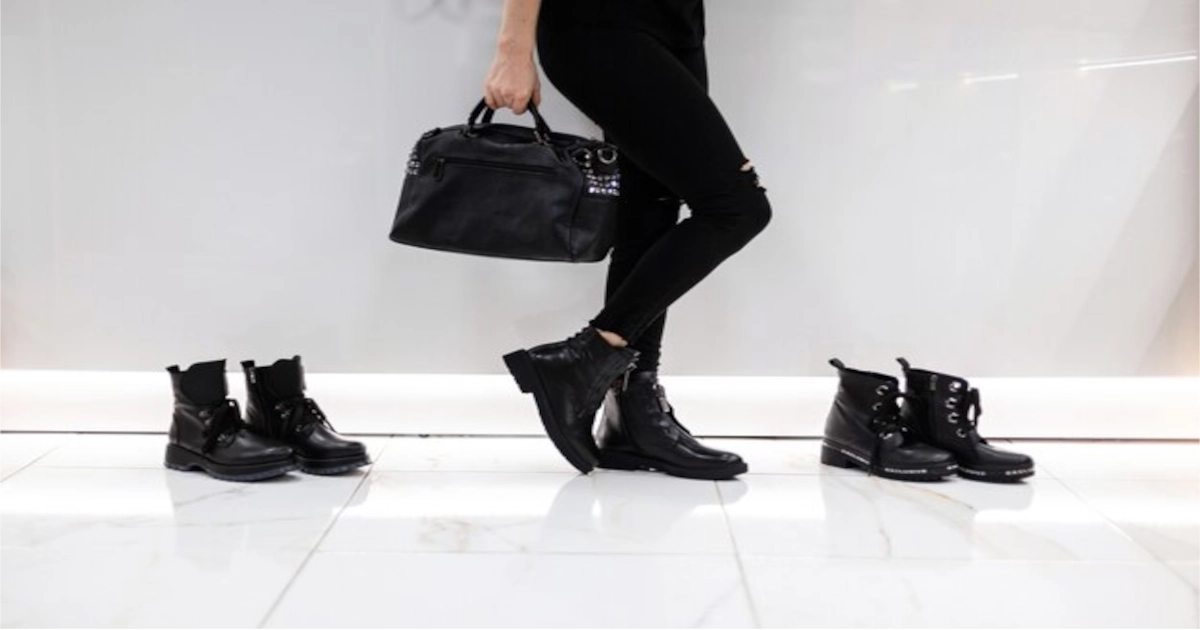
If your job has a dress code, black work shoes are probably already in your closet — and for good reason. They’re one of the few pieces of footwear that quietly do double duty: comfortable enough for a full shift, polished enough for client meetings, and versatile enough to match almost any uniform. This guide walks through why they matter on the job, what actually makes one pair better than another, and how to pick the right style for your workplace, the hours you spend on your feet, and the look you’re going for — so you end up with a pair you’ll actually reach for every morning.
Why Black Work Shoes Earn Their Spot in Your Closet
Ask anyone who’s worn the wrong shoes on a long shift, and they’ll tell you black work shoes aren’t about fashion — they’re about function that happens to look good too.
1. They Work With Almost Any Dress Code
Black is the one color that clears every workplace filter. Whether you’re in a corporate office, on a retail floor, in a hospital, or working front-of-house in hospitality, black shoes pair with whatever uniform or outfit the job requires — no second-guessing.
2. They Read as Put-Together
There’s a reason black shoes show up in nearly every dress code policy: they look intentional. A scuffed brown loafer stands out; a clean black shoe just blends in and looks like you meant it.
3. They’re Built to Take a Beating
A well-made pair holds up to daily wear in a way flashier shoes often don’t. Look for non-slip soles and real cushioning — the two features that actually matter once you’re eight hours into a shift.
What to Look For Before You Buy
Picking work shoes on looks alone is how you end up with a pair sitting unworn in your closet by week two. Here’s what actually determines whether a pair earns its keep:
1. Comfort
- Insoles that hold up, not just feel soft in-store: memory foam is nice on day one, but a molded footbed or removable insole tends to hold its support longer.
- Real arch support: this is what actually cuts down on foot fatigue after standing for hours — cushioning alone won’t do it.
- Breathable materials: leather or mesh uppers let your feet vent instead of sweating through a shift.
2. Durability
Leather and quality synthetic blends are worth the extra cost upfront — they hold their shape and finish through repeated wear instead of breaking down after a few months.
3. Slip Resistance
If your floors are tile, laminate, or anything that gets wet — think healthcare, food service, hospitality — a slip-resistant outsole isn’t optional. It’s the difference between a shoe that’s safe and one that’s a liability.
4. Fit
Leave a thumb’s width of room in the toe box. A shoe that pinches or slides around will cause blisters either way — tight and loose are both wrong.
5. Style
- Pumps: the go-to for traditional office settings.
- Loafers: slip-on ease that works for both casual and semi-formal days.
- Ballet flats: comfort that still looks polished.
- Oxfords: structured, a little vintage, always sharp.
Which Style Fits Your Job
Here’s how the main styles stack up against each other — and where each one actually shines.
1. Black Pumps
The default for corporate and formal offices. Low-to-medium heels with a pointed or rounded toe keep the look sleek without tipping into “special occasion” territory. They pair naturally with pencil skirts, trousers, or dresses — which is exactly why they’ve stayed the go-to for client-facing roles.
2. Loafers
Best suited to business casual or creative workplaces. Flat or low-heeled with a slip-on design, sometimes dressed up with tassels or buckle details. What makes loafers worth considering is the trade-off they solve: nearly the comfort of a flat with more polish than a sneaker.
3. Ballet Flats
A fit for casual to semi-formal settings. Flat soles, rounded toes, lightweight build. For women who are on their feet moving between meetings all day, these tend to win out simply because they don’t fight you the way a heel does by 3 p.m.
4. Oxfords
Suited to structured, formal offices. Lace-up, closed-toe, usually leather. There’s a reason this style keeps coming back — the vintage, tailored look reads as deliberate rather than default, which stands out in a sea of plain pumps.
5. Sneakers
The right call for healthcare, retail, or any job with long hours of standing or walking. Supportive soles and breathable uppers do the heavy lifting here, and modern black sneaker designs have gotten polished enough to pass most dress codes without looking out of place.
Brands Worth Checking First
Not every brand treats “work shoe” the same way — some lean comfort, some lean durability, some lean polish. A quick rundown of where each one tends to land:
Clarks
built its reputation on ergonomic lasts, so their shoes tend to fit well straight out of the box rather than needing a break-in period.
Dr. Martens
makes sense for physically demanding roles — the construction holds up to daily wear far better than most dressier brands, without giving up its signature look.
Naturalizer
is worth a look if comfort is the priority but you still want something that doesn’t scream “orthopedic.” It’s become something of a default for workwear for that reason.
Cole Haan
sits at the higher end — if budget allows, their black work shoes lean more toward refined and polished than purely functional.
Skechers
is the practical pick for healthcare and retail specifically — slip-resistant soles and cushioning built for shifts where you’re on your feet most of the day.
How to Choose the Perfect Pair
Skip the endless scrolling — narrowing it down comes down to four decisions.
1. Start With What Your Job Actually Requires
- Formal offices generally call for pumps or oxfords.
- Jobs with long hours on your feet are better served by sneakers or flats with real arch support.
2. Decide What You’re Willing to Spend
More expensive doesn’t always mean better, but there’s usually a floor below which durability suffers. Spending a bit more upfront on construction quality tends to save money over time since the shoes simply last longer.
3. Try Them On Before Committing
- Walk around the store, not just to the mirror — comfort shows up in movement, not standing still.
- Shop later in the day, when feet are slightly swollen. A shoe that fits at 9 a.m. can feel tight by 3 p.m.
4. Let Function Win Over Looks
It’s tempting to pick the shoe that photographs best, but the one you’ll actually keep wearing is the one that still feels fine eight hours in. Looks matter less than you’d think once you’re standing in them all day.
Care and Maintenance of Ladies’ Black Work Shoes: Keep Them Looking New
Investing in a good pair of black work shoes is essential, but maintaining them ensures they stay in top-notch condition for years. Follow these comprehensive care tips to prolong their lifespan and keep them looking polished and professional:
Regular Cleaning: The First Step to Longevity
Daily care prevents dirt and dust from building up, which can cause premature wear.
- How To Clean:
- For general cleaning, wipe your shoes with a soft, damp cloth to remove dirt and debris.
- For leather shoes, use a specialized leather cleaner or conditioner to keep the material supple and prevent cracking.
- For suede or nubuck, use a suede brush to gently lift dirt and restore texture.
- Frequency: Clean your shoes after each use or at least once a week, depending on usage.
Polishing: Maintain the Shine and Protect the Surface
Polishing your black work shoes keeps them looking sharp and protects the leather from drying out.
- Steps to Polish:
- Remove dust and debris with a soft brush or cloth before applying polish.
- Use a high-quality shoe polish in black, applying it evenly with a soft cloth or applicator brush.
- Buff the shoes with a separate, clean cloth to achieve a professional shine.
- Frequency: Polish your shoes every 1-2 weeks or whenever the shine starts to fade.
Waterproofing: Shield Your Shoes from Moisture Damage
Protect your shoes from rain, spills, and stains by waterproofing them.
- How to Apply:
- Use a waterproof spray or wax suitable for your shoe material (e.g., leather, suede).
- Apply the product evenly in a well-ventilated area and allow it to dry thoroughly before wearing.
- Frequency: Reapply every few months or after exposure to heavy rain.
Rotate Your Shoes: Avoid Overuse and Prolong Durability
Wearing the same pair daily can accelerate wear and tear.
- Why Rotate:
- Allows your shoes to air out and prevents odor buildup.
- Reduces stress on the material, extending the shoe’s lifespan.
- Pro Tip: Have at least two pairs of black work shoes to alternate throughout the week.
Bonus Tips for Shoe Maintenance:
- Storage Matters: Store your shoes in a cool, dry place, preferably using shoe trees to maintain their shape.
- Inspect Regularly: Check for signs of wear, such as loose soles or scuffs, and address them promptly with repairs.
- Invest in Quality Products: Use premium cleaners, polishes, and sprays tailored for your shoe material to achieve the best results.
How to Style Them for Different Workplaces
What you pair them with changes everything about how a black shoe reads.
Corporate settings
Pumps are still the safe choice here. Pointed-toe, with tailored trousers in gray, navy, or black, plus a crisp white blouse — add a blazer if the day calls for it. Keep jewelry small, pearl studs or a plain watch. This is what works for board meetings and client meetings, basically anywhere you don’t want the outfit to be what people remember.
Business casual
Loafers are underrated for this. Slim ankle-length pants, a patterned blouse or a light sweater, cuffs rolled a bit so the shoe actually shows. Add a leather tote if you have one. Works fine for office lunches or a casual Friday where you still want to look like you tried a little.
Creative offices
This is where flats can actually be fun. A pleated midi skirt in a print or a color, something with a bit of personality in the top. Suede with silk is a nice combo if you want the outfit to feel a bit more considered. Design studios, agencies, that kind of place.
A couple things that matter no matter where you work
Fit is more important than any of the above — if the shoe pinches or slides, the outfit doesn’t matter. Keep them clean and not scuffed up; it genuinely changes how put-together you look. And metrals or plain neutrals tend to go with black shoes more easily than anything loud.
Final Thoughts
At the end of the day, black work shoes aren’t really about fashion — they’re the thing you don’t think about when they’re right, and the thing you think about constantly when they’re wrong. Pumps, loafers, sneakers, whatever fits your job — the right pair just makes the workday a bit easier to get through.
Spend a bit more where it counts, pay attention to fit over how a shoe looks on the shelf, and take care of them once you’ve got them. That’s really the whole formula.
Frequently Asked Questions (FAQs)
What should I actually look for in comfortable work shoes?
Cushioned insoles, decent arch support, and something breathable — leather or mesh. If you’re on your feet most of the day, arch support matters more than people expect; it’s usually the thing that’s missing when a “comfortable” shoe still hurts by 3 p.m.
How do I make them last longer?
Wipe them down regularly, polish every couple of weeks if they’re leather, and use a waterproofing spray before wet weather hits. Having two pairs to rotate helps too — it gives the material time to dry out between wears instead of breaking down faster.
Can I wear flats instead of heels somewhere formal?
Pretty much, yes. Loafers or a clean ballet flat read as professional in most offices now. If you want to be safe, look for something with a bit of structure or detailing rather than a plain slip-on.
Are slip-resistant shoes necessary for every workplace?
Only really matters if your floors get wet or greasy healthcare, hospitality, food service. Desk jobs on carpet don’t need it, though it’s not a bad feature to have anyway.
Which brands are worth it without overspending?
Clarks, Skechers, and Naturalizer all land in a good spot — not the cheapest, not the most expensive, but built to actually hold up.
How do I get the sizing right?
Try shoes on later in the day when your feet are a little swollen, and leave some room in the toe — a snug fit in the morning can feel tight by afternoon.
READ ALSO: The Comprehensive Guide to the 50 Cent Coin Price: Value, Collectibility, and Market Trends