
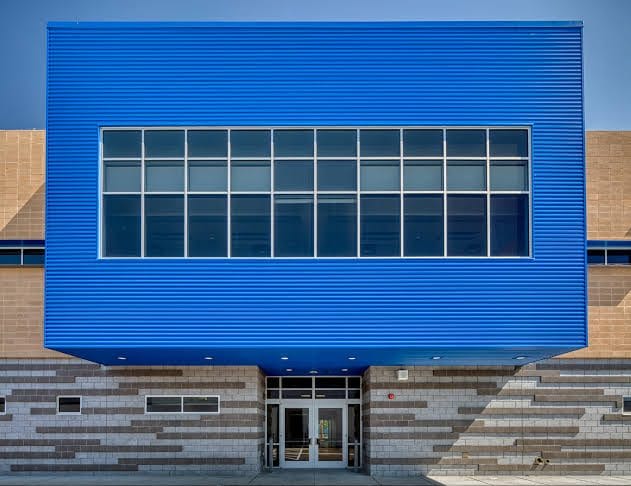
Metal wall cladding has come a long way from its industrial roots. Today it is a signature feature of contemporary Australian home design. Architects and builders use it to lift street appeal, toughen homes against harsh weather, and tread more lightly on the planet. Read on to see how CladdCo metal wall cladding is reshaping homes across the country — and how you could use it on yours.
From coastal Sydney to the leafy suburbs of Melbourne, metal cladding suits an enormous range of styles. Whether you love a crisp, minimalist facade or something bolder and more sculptural, there is a profile, colour and finish to match. Below we unpack the most creative uses, plus what to know before you commit.
Street Appeal That Turns Heads
One of the biggest drawcards of metal wall cladding is the way it transforms a home’s street appeal. Unlike traditional weatherboard or brick, metal delivers a sleek, modern finish that can be tailored to almost any architectural style. From clean, minimalist facades to dramatic geometric designs, it helps homeowners create a look that is genuinely their own.
Metal wall cladding not only lifts the look of your home — it also brings durability and energy efficiency. Its versatility opens the door to everything from streamlined contemporary facades to warm, industrial-inspired textures. Homeowners and architects alike love its low maintenance needs and sustainable credentials. For those looking to explore more innovative roofing and cladding solutions, you can discover a range of options that blend functionality with style.
Built Tough: Metal Wall Cladding for Australian Conditions
In addition, durability is a major win. Aluminium, zinc and steel cladding naturally resist termites, rot and corrosion, which makes them ideal for our harsh outdoor conditions. Properly installed and maintained, metal wall cladding stands up to blazing sun, driving rain and big temperature swings without warping, cracking or needing frequent replacement.
Consequently, you will spend less on maintenance over time — and your facade will keep looking sharp for decades. In bushfire-prone areas, non-combustible metal cladding can also help homes meet BAL (Bushfire Attack Level) requirements. For coastal properties, marine-grade finishes stand up best to salt spray.
Choosing the Right Metal for Your Home
Each metal brings its own character. For example, Colorbond steel — an Australian icon — offers colours engineered for intense UV and a palette that suits everything from Hamptons to industrial. Aluminium is lightweight and naturally corrosion resistant, while zinc develops an attractive patina as it ages. Copper makes a premium statement but comes at a premium price.
Therefore, weigh up climate, budget and the look you are after when choosing. A good supplier will show you physical samples — always check colours in natural light before you decide.
Design Flexibility for Every Style
Moreover, metal cladding offers remarkable design freedom. Choose from an enormous range of profiles, colours, coatings and finishes to nail your desired look. After a smooth, monolithic facade? Easy. Prefer perforated screens, curved panels or mixed materials for extra character? That works too.
For instance, pairing dark standing-seam panels with warm timber accents creates depth and contrast that flat render simply cannot match. This flexibility is what lets architects design homes that feel truly one of a kind.
Unique Architectural Features
Designers keep pushing metal wall cladding into exciting new territory. Here are a few standout applications:
Floating Facades
Specifically, metal cladding is ideal for floating or cantilevered sections of a home, creating a sense of lightness and modern elegance. A floating upper storey wrapped in dark metal panels makes a striking first impression.
Folded and Curved Panels
Folded or curved panels produce sculptural forms and shifting shadow patterns that change throughout the day. They turn an ordinary wall into a living design feature.
Dynamic, Responsive Screens
Perforated metal screens and operable cladding panels let you control privacy, sunlight and airflow with ease. They double as shade devices, cutting cooling costs through hot Australian summers.
Artistic Installations
Some homeowners commission bespoke metal artworks — feature walls and entry statements that work as both practical surfaces and genuine centrepieces.
Sustainable Metal Wall Cladding and Energy Efficiency
Meanwhile, metal wall cladding in Melbourne is growing in popularity thanks to its genuine green credentials. Aluminium and steel are among the most recycled building materials on the planet, and choosing them can support Green Star ratings and other sustainable building goals. Metal’s long lifespan also means fewer replacements and less landfill over your home’s life.
Architectural cladding also lifts thermal performance. In addition, paired with quality insulation, it helps stabilise indoor temperatures — keeping heat out in summer and warmth in through winter — which trims energy bills year-round.
Installation and Maintenance: What to Know
For all its benefits, metal cladding needs proper installation. Weatherproofing and structural integrity depend on experienced installers who understand flashing, fixings and ventilation. A quality install is the difference between a facade that lasts 40 years and one that gives you grief.
Fortunately, ongoing maintenance is refreshingly simple: an occasional wash-down, clearing debris from joints, and checking seals and fasteners once a year. Catching minor issues early — like scratches in the coating — stops them becoming bigger problems. If you are budgeting for the job, understanding renovation costs per square metre in Australia will help you plan with confidence.
Strength and Structural Versatility
Metal’s strength-to-weight ratio opens up design possibilities that heavier materials cannot match. It allows for bold cantilevers, sweeping curves and fine detailing — the hallmarks of contemporary architecture. Large-format panels create clean, uninterrupted surfaces, while standing-seam profiles add rhythm and texture.
Smart Building Skins and Future Tech
The future of cladding is adaptive. For example, smart building skins pair metal panels with technology that responds to sunlight, temperature and air quality. Reactive facades can maximise daylight while limiting heat gain in summer, cutting reliance on air conditioning and artificial lighting.
While still emerging locally, these systems hint at where residential design is heading: homes that actively work to keep you comfortable while using less energy.
Conclusion: Embracing Innovation in Residential Design
Ultimately, metal wall cladding continues to redefine what is possible in residential architecture. From head-turning street appeal and serious durability to design versatility and sustainability, it gives homeowners and architects a remarkable toolkit for creative expression.
Whether you are renovating an existing home or building a custom home from scratch, consider the transformative impact metal wall cladding can have on your home’s exterior. Embrace innovation, express your style, and create a home that is both visually stunning and built to last.
READ ALSO: Balancing Creativity and Productivity