
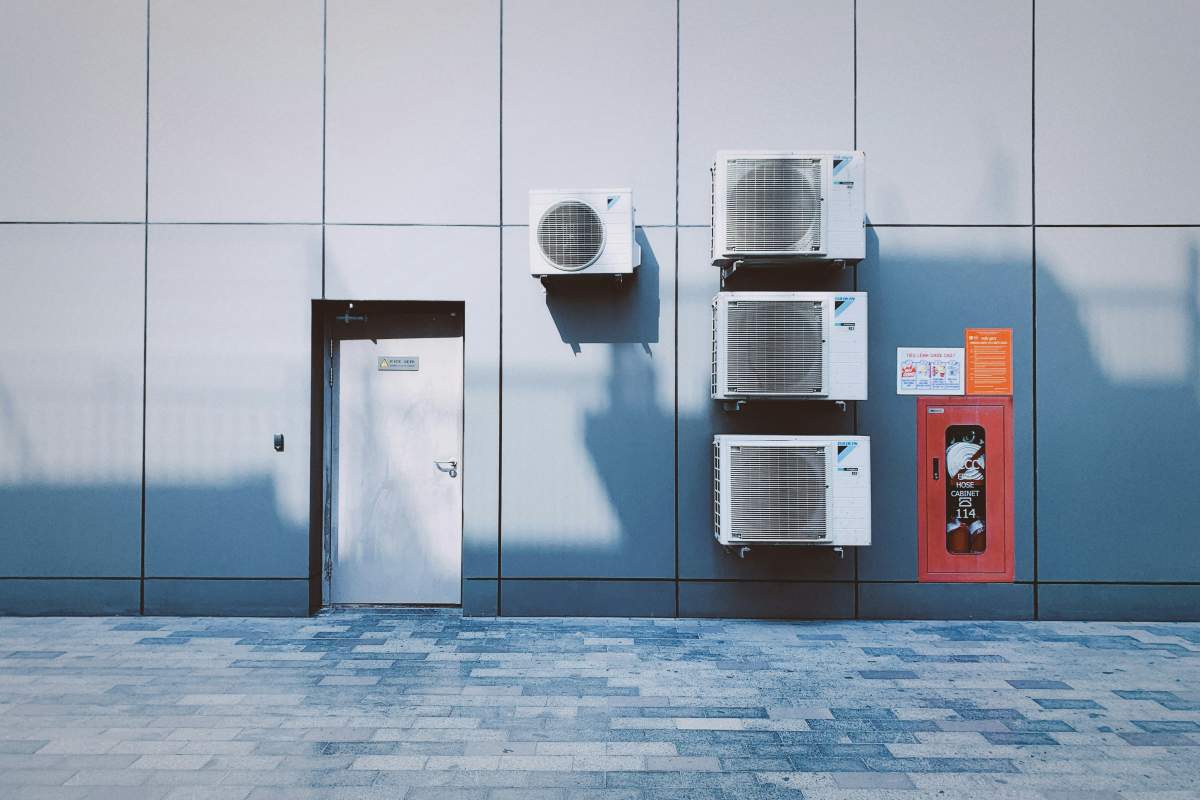
Mandurah, a coastal city in Western Australia, is known for its beautiful beaches, waterways, fresh sea breezes and almost Bohemian coastal lifestyle. While living along the coast offers stunning views and easy living, coastal climates play havoc on your air conditioning system.
Residents in areas like Falcon and Halls Head should consider coastal exposure, humidity, salt air, property size, insulation and the outdoor unit’s location when selecting their air conditioner.
Whether you’re dealing with muggy, damp conditions in summer or cold, clammy air during winter, humidity affects your home’s comfort. Maintaining the right indoor moisture levels is more than just about comfort, it benefits your health and help protect your home from moisture-related problems.
Homeowners looking seriously into getting air conditioning in Mandurah can choose an air conditioning system designed for the local environment that makes a performance difference, maintenance and long-term reliability.
How does Coastal Air affect Air Conditioning?
High humidity levels, salty air, and moderate to warm temperatures are common to coastal towns in Western Australia. These are also important corrosion protection factors for consideration when choosing air conditioning Mandurah.
Homeowners should look for systems with factory-applied anti-corrosion coatings, such as GoldGuard or BlueFin. Verifying whether the manufacturer offers a warranty suitable for coastal conditions is also vital.
Several types of corrosion can impact your air conditioning unit:
- Formicary corrosion occurs inside or around copper refrigerant tubing. It creates extremely small pinholes, which although are difficult to detect, homeowners may not notice the problem until refrigerant begins to leak and it affects the system’s cooling performance.
- Pitting corrosion creates larger, localised holes, commonly affecting metal components such as condenser coils. Unlike formicary corrosion, pitting corrosion is visible during an inspection, making early detection and treatment important.
- Case corrosion affects the outdoor air conditioning unit’s casing. It occurs when exposed components are subjected to salty, moist air. Severe corrosion can eventually damage the unit and shorten its service life.
What to Look for in an Air Conditioner for a Coastal Home
Selecting an air conditioner for a coastal home requires more consideration than its cooling capacity and energy efficiency.
Salty, moisture-rich air can accelerate corrosion; therefore, consider systems specifically designed to handle coastal conditions. Air conditioning Mandurah is a fully licensed, family-owned business with several years’ experience in maintaining and installing air conditioners in coastal towns across Western Australia.
Their systems meet quality AS/NZS standards, ensuring your health and safety through all climates.
Important components should have protective polymer coatings, creating a barrier against moisture and salt exposure. The outdoor casing should also feature an anti-corrosion treatment to prevent deterioration over time.
Homeowners should pay careful attention to the air conditioner’s condenser coils, which are exposed to the outdoor environment. A corrosion-resistant coating, like GoldGuard or BlueFin, or protective treatment can extend the coil’s life and maintain efficient performance.
A coastal corrosion warranty, another important consideration for homeowners, because standard warranties may have different conditions for ocean properties.
Before purchasing your air conditioning unit, always check the manufacturer’s specifications and installation manual for details about coastal protection. Customer reviews can also provide useful insight into real-world performance.
Why Corrosion-Resistant Coatings Matter
Living near the coast means taking extra precautions with your property, including protecting your air conditioning unit from salt air corrosion. Salt carried in ocean air can settle on outdoor condenser coils and metal components, while moisture can accelerate the corrosion process.
Extended exposure to these elements can reduce efficiency, damage components and shorten your air conditioning system’s lifespan.
Many air conditioning units for coastal areas are designed from corrosion-resistant materials. Manufacturers can use stainless steel, for example, in the construction of condensers and other critical components because of its superior resistance to rust and corrosion.
Additionally, some systems feature coils made from all aluminium, which is naturally more resistant to corrosion than copper. While aluminium coils are not prone to corrosion, the corrosion rate is slower than that of copper coils, making them an ideal choice for coastal environments.
When selecting an air conditioning unit for your coastal property, consider one that features protective coatings and corrosion-resistant materials.
There are two coatings that homeowners can consider for their air conditioning systems in Western Australia: GoldGuard and BlueFin.
GoldGuard is designed to provide additional protection against oxidation and corrosion, making it useful for Australia’s coastal and extreme weather conditions. BlueFin is another protective treatment used on heat exchanger coils to improve resistance to salt, moisture and atmospheric corrosion.
These coatings do the following:
- Extends lifetime of panels & cabinetry
- Excellent weather ability
- Abrasion resistant
- Maintains colour and gloss
- Flexible to withstand temperature fluctuations
Does Your Air Conditioning Warranty Cover Coastal Corrosion?
For Air Conditioning Mandurah, homeowners should understand what the warranty actually covers. An air conditioning warranty protects against manufacturing defects, faulty components and workmanship issues, instead of normal wear and tear or environmental damage.
For coastal properties, homeowners should read the fine print. Salt-laden air, moisture and sea spray can accelerate corrosion, and a standard warranty may not cover damage caused by harsh coastal conditions. Some manufacturers may also require additional corrosion protection or specific maintenance for systems they install in coastal environments.
Before purchasing an air conditioner, homeowners should check the manufacturer’s warranty conditions, including exclusions relating to coastal exposure, maintenance and corrosion. Choosing a system designed for the Australian coastal environment protects your investment and provide reliable performance for longer.
Making the Smart Choice
When choosing Air Conditioning Mandurah homeowners should look beyond the price tag. A cheaper system may appear cost effective, however, if it isn’t suited to the coastal environment, premature corrosion and maintenance problems can make it more expensive over time.
For coastal homes in Falcon, Halls Head and other coastal parts of Mandurah, homeowners should consider the complete picture, the type and size of the system, energy efficiency, installation location, manufacturer’s warranty, servicing requirements and, importantly, protection against coastal corrosion.
Anti-corrosion technologies like GoldGuard and BlueFin can provide valuable protection for outdoor condenser coils, making them worth discussing when comparing air conditioning systems.
For local advice, iBreeze supplies and installs air conditioning throughout Mandurah and surrounding areas, including Halls Head, with a range of systems from leading manufacturers.