
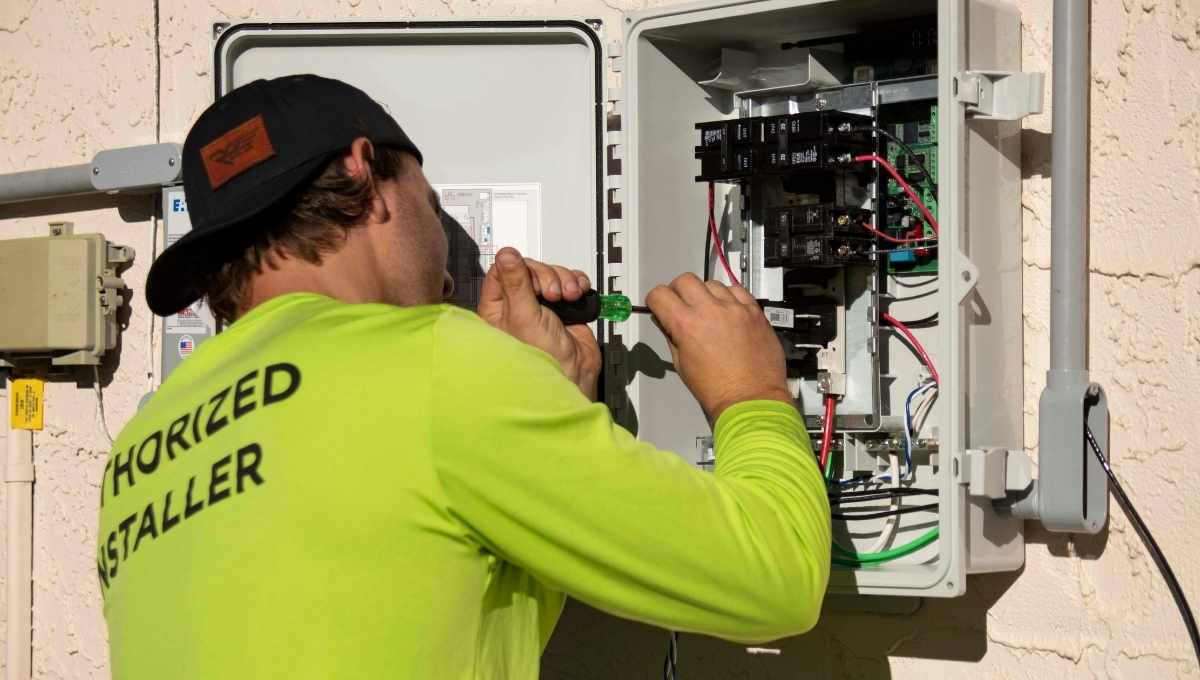
In Australia, almost all electrical work isn’t just risky to DIY — it’s illegal. Only a licensed electrician may carry out electrical installations and repairs in any state or territory, and unlicensed work can attract heavy fines and even void your home insurance. Hiring a professional electrician is therefore about more than convenience; it keeps your household safe and on the right side of the law.
A professional electrician brings training, experience and the right equipment to every job. From switchboard upgrades and safety switch testing to fault-finding and new power points, a licensed tradie makes sure your electrical system works properly and meets Australian standards. Here is why that matters — and what can go wrong when you skip the pro.
Why Is It Important to Hire a Professional Electrician?
Ensuring Safety
Professional electricians train to handle electrical jobs safely and prevent hazards like electrical fires, shocks and serious injuries. Their training and experience help them spot potential risks early and fix them properly. That protects your family and keeps your home a safe place to live.
Certified electricians understand the complexities of electrical systems and troubleshoot problems before they turn dangerous. They follow strict safety standards, using the right tools and protective gear to minimise risk during repairs and installations. This disciplined approach greatly lowers the chance of accidents or faults that could devastate a household.
Professional electricians also know how to handle the unexpected. When a job reveals dodgy old wiring or an overloaded circuit, their problem-solving skills kick in and they resolve the issue on the spot. That competence keeps you safe and gives you confidence that your electrical system sits in capable hands.
Compliance with Regulations
Hiring a certified electrician ensures that your electrical work complies with Australian codes and regulations, so you avoid legal trouble and safety risks. Following these rules matters — it protects you from fines, failed inspections and insurance headaches. Licensed electricians stay across regulation changes, so their work always meets current standards.
Every state and territory requires electrical work to meet AS/NZS 3000, the Wiring Rules — the national standard for safe electrical design, installation and inspection. A professional electrician knows these codes inside out and will issue a certificate of compliance when the job is done. Keep that certificate: insurers and future buyers will ask for it.
DIY or unlicensed work that ignores the code can force you to rip out and redo the job at your own expense — or cop a penalty. Having a licensed professional do the work removes that risk and gives you peace of mind that your home or business meets every legal requirement.
What Are the Risks of DIY Electrical Work?
Potential Hazards and Injuries
Handling electrical tasks without training can cause serious injuries or fatal accidents at home. DIY electrical work without the right knowledge and experience creates a real risk of electric shock or severe burns. That danger alone justifies calling a professional who will handle your electrical system safely and correctly.
Many accidents happen because people feel confident tackling electrical tasks without professional oversight. Homeowners often underestimate how complex electrical systems are and overestimate their own ability to repair or install things safely. Those misjudgments can end in tragedy — which is exactly why professional electricians exist.
DIY electrical attempts also endanger everyone nearby, not just the person holding the tools. Arcing, overloaded circuits and faulty wiring put the whole household at risk. Those hazards show why you need an accredited professional for a safe, effective result.
Property Damage
DIY electrical work often leads to dodgy installations and property damage from faulty wiring or electrical fires. Without proper expertise, a repair or installation can create hidden hazards inside your walls. Those mistakes can cause catastrophic damage — another reason professional help is non-negotiable.
Faulty wiring and poor installations rank among the leading causes of residential electrical fires. Without professional quality control, hazards like frayed wires and loose connections stay hidden. Over time, these small issues can escalate into major incidents that threaten both property and life.
Bad electrical work can even affect a building’s structural integrity. Hiring a professional electrician removes these risks because licensed tradies do the job to code and standard. That oversight protects your property value and saves you from costly repairs down the track.
When to Call a Professional Electrician in Australia
Some jobs clearly need a sparky — and some warning signs mean you should not wait. Call a licensed electrician if your safety switch keeps tripping, you notice flickering lights or a burning smell near power points, or your switchboard still runs on old ceramic fuses with no safety switches. These are red flags, not weekend projects.
Planning an upgrade? Extra power points, new lighting, ceiling fans, a switchboard upgrade, or wiring for an outdoor kitchen all legally require a licensed electrician in Australia — as does lighting for pergolas in Sydney. A good sparky will also test your safety switches while on site — small checks that make a big difference.
If you smell burning, see scorch marks around a power point or your safety switch will not reset, treat it as urgent and call an emergency electrician. Do not touch the switchboard yourself.
Prioritising your safety and compliance can save more than money — it can save lives. Hiring a professional electrician means you get expertise, safeguards and quality service that minimise risk and protect the integrity of your home. The knowledge and skill certified electricians bring to every project prove indispensable for keeping your electrical work safe and efficient.