
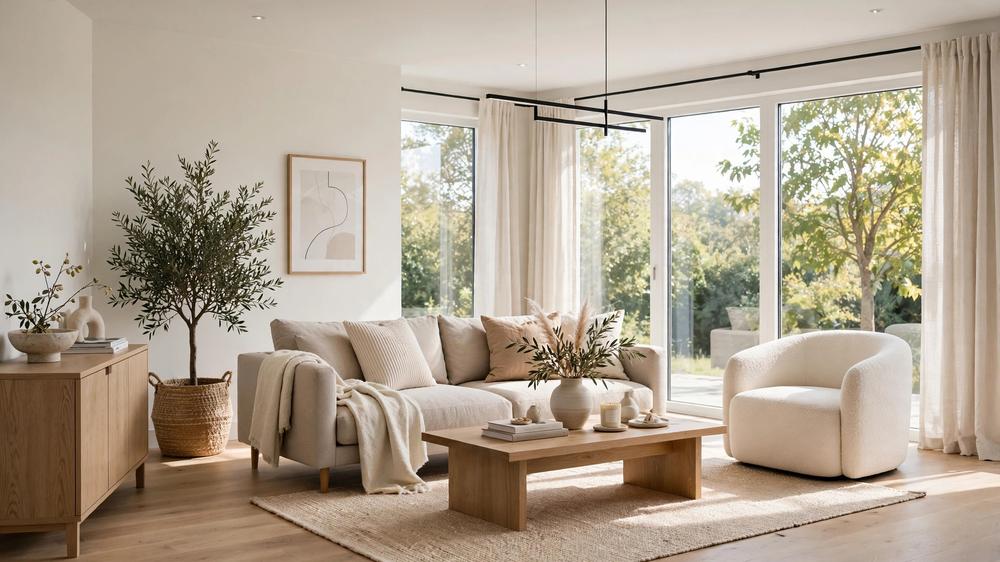
If you’re weighing up whether painting the inside of your home is worth the money, you’re asking the right question. The answer to *does painting interior add value to home australia* is: yes, in most cases it does — and it’s one of the cheapest ways to lift a property’s sale price. But the size of the payoff depends on what you spend, which colours you choose, and whether the job looks professional.
This guide breaks down what interior painting costs across Australia in 2026, the ROI figures agents and painters actually quote, and the colours that make buyers reach for their chequebooks.
The Short Answer: Yes, Interior Painting Adds Value
A fresh interior paint job almost always pays for itself. Industry estimates place painting among the highest-return home improvements per dollar spent, with a quality repaint estimated to add 5–10% to a property’s sale price. On a $600,000 home, that’s a potential $30,000–$60,000 uplift for an $8,000–$15,000 outlay on a full interior and exterior repaint.
That said, painting isn’t magic. A new coat of paint won’t fix a broken bathroom or a bad floor plan, and a sloppy DIY job in colours you love (but buyers hate) can do more harm than good. The value comes from neutral, well-applied paint that makes the home feel fresh and move-in ready.
What Does Interior Painting Cost in Australia in 2026?
Costs vary between cities and painters, but the ranges below reflect what Australian painters were quoting through 2025 and into 2026. Sydney and Melbourne sit at the top end; regional areas are usually cheaper.
Professional Painting Costs Per Room
These figures assume walls, ceiling and standard trim, two topcoats of quality paint, and light prep (wash, fill, sand):
| Room | Typical professional cost |
| Single bedroom | $400–$1,000 |
| Master bedroom | $600–$1,200 |
| Living room | $700–$1,500 |
| Open-plan living/dining | $1,500–$2,500 |
| Kitchen (walls and ceiling only) | $500–$1,200 |
| Bathroom (walls and ceiling only) | $400–$800 |
| Hallway | $800–$1,800 |
A two-bedroom apartment typically runs $2,500–$4,500 for a full interior repaint; a three-bedroom house $4,500–$11,000; a four-bedroom home $6,000 and up.
Cost Per Square Metre
Painters commonly price interior work at roughly $20–$60 per square metre of paintable surface, with many jobs landing in the $30–$45 range. Straightforward rooms in good condition sit at the low end; textured walls, big colour changes, high ceilings and detailed trim push you up. As a guide, a standard 4m x 4m bedroom has about 34 square metres of wall area plus 16 of ceiling — roughly 50 square metres of paintable surface in total.
DIY vs Professional: A Cost and Value Comparison
Doing it yourself looks much cheaper on paper — and it is, if your time is free. But buyers can usually tell the difference, and that shows up in the sale price.
| DIY | Professional | |
| Materials (whole 3-bed home interior) | Around $1,000–$3,000 for paint, brushes, rollers, drop sheets and tape | Included in the quote |
| Labour cost | $0 (but many weekends of your own time) | $4,500–$11,000 for a full 3-bed interior |
| Time for a full house | Several weekends to several weeks | 3–6 days for a typical 3-bedroom home |
| Finish quality | Variable — drips, streaks and uneven cutting-in are common first-timer mistakes | Consistent coverage, crisp lines, proper prep |
| Durability | Often needs redoing sooner; a quality interior repaint should last 7–10 years | Longer-lasting when prep is done properly |
| Effect on sale price | Good if done well; a visibly amateur job can turn buyers off | Neutral, well-finished paint reads as “maintained” |
The honest middle ground: DIY the easy rooms if you’re handy, but consider a professional for high-visibility areas like living rooms, hallways and stairwells — the rooms buyers judge first. Most painters quote a fixed price per project after an inspection, which is usually better value than hourly for whole-home jobs.
The ROI Statistics: What the Numbers Actually Say
Here’s how the return on interior painting breaks down:
| Scenario | Typical spend | Potential uplift | Rough ROI on cost |
| DIY repaint of 2–3 key rooms | $300–$800 in materials | $5,000–$15,000 perceived value lift | Well over 100% |
| Professional repaint of living areas + bedrooms | $3,000–$6,000 | $15,000–$30,000 on a mid-priced home | 200–500% |
| Full professional interior repaint (3-bed home) | $4,500–$11,000 | $25,000–$60,000 as part of a sale presentation | 100–500% |
One caveat: the 5–10% sale-price uplift is an industry estimate for a quality interior and exterior repaint combined, not a guarantee. Homes with dated colours, visible wear or tired DIY paint jobs see the biggest returns because the before-and-after contrast is dramatic; already well-presented homes see a smaller (but still positive) lift.
Where painting beats bigger renovations is return *relative to spend*: a kitchen renovation might recoup 60–80% of its cost at sale, but painting routinely returns well over 100% because the spend is so small relative to the impression it makes. McGrath’s property team calls a fresh coat of paint “arguably the king of high-ROI minor renovations” — buyers pay more for homes they can move straight into, and nothing says “move-in ready” faster than fresh paint.
The Best Paint Colours for Resale in Australia
The rule agents and stylists agree on: go neutral. Bold feature walls, deep reds and statement colours shrink your buyer pool — every buyer who doesn’t share your taste is mentally deducting the cost of repainting.
The resale-safe palette:
- Warm whites — the safest choice for almost every room. Shades like Dulux Lexicon Quarter, Natural White and Hog Bristle are staples in Australian homes because they bounce light around without feeling clinical.
- Soft greys and greige — a blend of grey and beige that reads modern without being cold, and photographs beautifully in listings.
- Warm beiges and taupes — welcoming in living areas and bedrooms, and forgiving in rooms with less natural light.
- Soft sage green — works well in bedrooms and living areas, adding a calm, contemporary feel without overwhelming.
- Pale blues in bathrooms — light, spa-like blues are consistently linked with strong buyer appeal in wet areas.
- Crisp white trim — White on White or Vivid White on skirting, architraves and doors gives contrast and a crisp, finished edge.
What to avoid: bright reds, oranges, neons, dark feature walls, and heavily themed kids’ rooms. Avoid flat paint in high-traffic areas — satin or low-sheen looks better and cleans more easily.
Unsure which neutral suits your home? Sample pots are cheap insurance. Paint a large patch on two different walls and check it morning and evening — Australian light changes dramatically through the day, and a colour that looks warm at noon can go flat and blue by 4pm. Dulux’s whites and neutrals range shows just how much variation exists inside “white” alone.
What Adds Value — and What Doesn’t
Not all painting is equal. Here’s the quick scorecard:
Adds value:
- Repainting the whole interior in one cohesive neutral palette
- Freshening scuffed, marked or dated walls in high-traffic zones
- Painting over feature walls and bold colours back to neutral
- Crisp white ceilings (yellowing ceilings age a home instantly)
- Repainted trim, doors and skirting in clean white
- Kitchens and bathrooms repainted in bright, fresh neutrals — these rooms are buyer magnets
Doesn’t add value (and can cost you):
- Repainting in bold or highly personal colours
- A patchy DIY job with visible roller marks and wavy cutting-in
- Painting over damp, mould or peeling paint without fixing the cause — buyers and building inspectors see straight through it
- Painting everything in stark, cold white with no warmth — it can feel clinical rather than inviting
- Spending big on specialty finishes or textured effects — buyers rarely pay extra for them
Should You DIY or Hire a Painter?
If you’re selling, this is really a question about your skill level and your timeline. A good DIY job in the right colours is absolutely fine — buyers won’t know who held the roller. The problems start when DIY looks like DIY.
DIY works when: you’re painting one or two straightforward rooms, the walls are in good condition, you have a free weekend or two, and you’re willing to do proper prep — washing, filling, sanding, taping and two full coats. Budget around $1,000–$3,000 in materials for a whole-home interior. If you’re planning a bigger project, run the numbers against our broader renovation costs guide for 2026 and the estimators on our renovation tools page.
Hire a painter when: you’re doing the whole house, there’s a deadline, walls need real prep (cracks, stains, old wallpaper), ceilings are high, or the rooms buyers see first need to look flawless. A full-time painter finishes a room in a day; most homeowners take a weekend per room.
Not sure which direction suits your home? Our interior design style quiz can help you pin down the look before you buy a single litre.
Expert Tips for a Value-Adding Paint Job
- Prep is the job. Washing, filling, sanding and priming is what makes paint look good and last. Skimping on prep is the number one reason paint jobs fail early.
- Two coats, always. One coat over an old colour almost always shows through. Budget for two topcoats, plus a primer where you’re changing colours dramatically.
- Don’t forget the ceiling. Yellowed or grey ceilings make even fresh walls look tired. Ceilings are cheap to paint and transform how bright a room feels.
- Test colours in your light. Sample pots cost a few dollars and save expensive mistakes. Check your shortlist at different times of day.
- Use the right sheen. Low-sheen or matte on walls hides imperfections; satin or semi-gloss on trim, doors and wet areas stands up to cleaning.
- Paint before you style. If you’re also decluttering or staging for sale, paint first — you’ll avoid working around furniture.
- Fix problems before you cover them. Mould, water stains and peeling paint need treating at the source. A building and pest inspection will find them anyway.
Frequently Asked Questions
How much does it cost to paint the interior of a house in Australia in 2026?
Professional interior painting typically costs $20–$60 per square metre of paintable surface, or roughly $400–$1,500 per room. A full interior repaint of a three-bedroom house generally falls between $4,500 and $11,000, while DIY materials for a whole-home interior run about $1,000–$3,000.
Will painting my interior really increase my home’s value?
Industry estimates suggest a quality repaint can add 5–10% to a property’s sale price — potentially $30,000–$60,000 on a $600,000 home — for a fraction of that in cost. The biggest gains go to homes with dated or worn paintwork.
What is the best interior paint colour for selling a house in Australia?
Neutral colours sell best: warm whites (like Dulux Lexicon Quarter or Hog Bristle), soft greys, greige and warm beiges. These shades make rooms feel larger and brighter, photograph well, and help buyers picture their own furniture in the space.
Is it worth hiring a professional painter before selling?
Usually, yes — especially for high-visibility rooms like living areas, hallways and the master bedroom. A professional finishes faster, preps properly and delivers a consistent finish that buyers read as “well-maintained.” DIY is fine for straightforward secondary rooms if you’re handy and thorough with prep.
How long does interior paint last in Australia?
A quality interior paint job lasts around 7–10 years under normal conditions. High-traffic areas like hallways, kids’ rooms and kitchens may need touching up sooner. Proper surface preparation and quality paint are the two biggest factors in how long the finish holds up.