

Some design styles come and go, but a few never truly fade. The ornate richness of the Victorian era and the clean functionality of mid-century modernism both continue to shape the way we decorate today. Modern interior design still borrows freely from both traditions — pairing Victorian grandeur with mid-century restraint to create rooms that feel layered, personal and timeless.
In this guide, we explore what defines each style, how their colours, textures and furnishings compare, and how you can blend the two into a home that feels both elegant and liveable.
The Roots of Two Classic Styles
The Victorian Era: Opulence and Craft
Victorian style flourished during Queen Victoria’s reign in the 19th century, an age of industrial expansion and rising prosperity. New manufacturing techniques made decorative craftsmanship widely affordable, and the well-appointed home became a showcase for it: carved woodwork, patterned wallpaper, heavy draperies and richly upholstered furniture were all marks of taste and status.
Victorian rooms were designed to impress. High ceilings, ceiling roses, picture rails and ornate fireplaces framed spaces filled with collected objects — books, ceramics, botanical prints and family portraits — each one telling a story about the household.
Mid-Century Modernism: Simplicity and Function
Mid-century modernism took hold after the Second World War, driven by optimism, new materials and a hunger for uncomplicated living. Designers embraced plywood, fibreglass, steel and moulded plastic, creating furniture with clean lines, organic shapes and honest construction.
Ornament gave way to function: open-plan layouts, generous windows and a close connection between indoors and outdoors. Every piece earned its place, and decoration was kept to a purposeful minimum.
Key Characteristics of Each Style
Victorian Design Hallmarks
- Intricate woodwork, carved detailing and decorative mouldings
- Patterned wallpapers, damasks and layered textiles
- Dark, weighty timbers such as mahogany and walnut
- Collected objects, gallery walls and display cabinets
- Rich, saturated colour schemes
Mid-Century Modern Hallmarks
- Clean lines, tapered legs and geometric forms
- Organic shapes inspired by nature
- Minimal ornamentation and uncluttered surfaces
- Open, light-filled layouts with generous glazing
- Honest materials — timber, leather, steel and glass
Colour Palettes and Textures
Victorian Colours and Fabrics
Victorian interiors favour deep, sumptuous colours: burgundy, forest green, navy and plum, often lifted with gold or brass accents. Texture does much of the talking — velvet, brocade, damask and chenille add warmth and tactility, while patterned rugs and full-length curtains complete the cocooning feel.
Mid-Century Modern Colours and Materials
Mid-century palettes lean towards warm neutrals — beige, cream, soft grey and white — enlivened by confident accents of mustard, teal or burnt orange. Natural textures take centre stage: oiled timber, leather, wool and woven fibres keep rooms feeling grounded and connected to the outdoors.
Furniture and Accent Pieces
Victorian Furniture
Victorian furniture is substantial and ornate: button-tufted Chesterfields, carved sideboards, marble-topped washstands and whatnot shelves. Statement lighting — crystal chandeliers and brass wall sconces — and decorative mirrors amplify the sense of occasion.
Mid-Century Modern Furniture
Mid-century pieces are lighter in look and feel. Icons such as the Eames lounge chair, the Egg chair and low-slung teak sideboards remain highly sought after. Accents tend towards the sculptural: abstract art, studio pottery and a single dramatic pendant rather than layers of ornament.
Bringing Classic Styles into Modern Interior Design
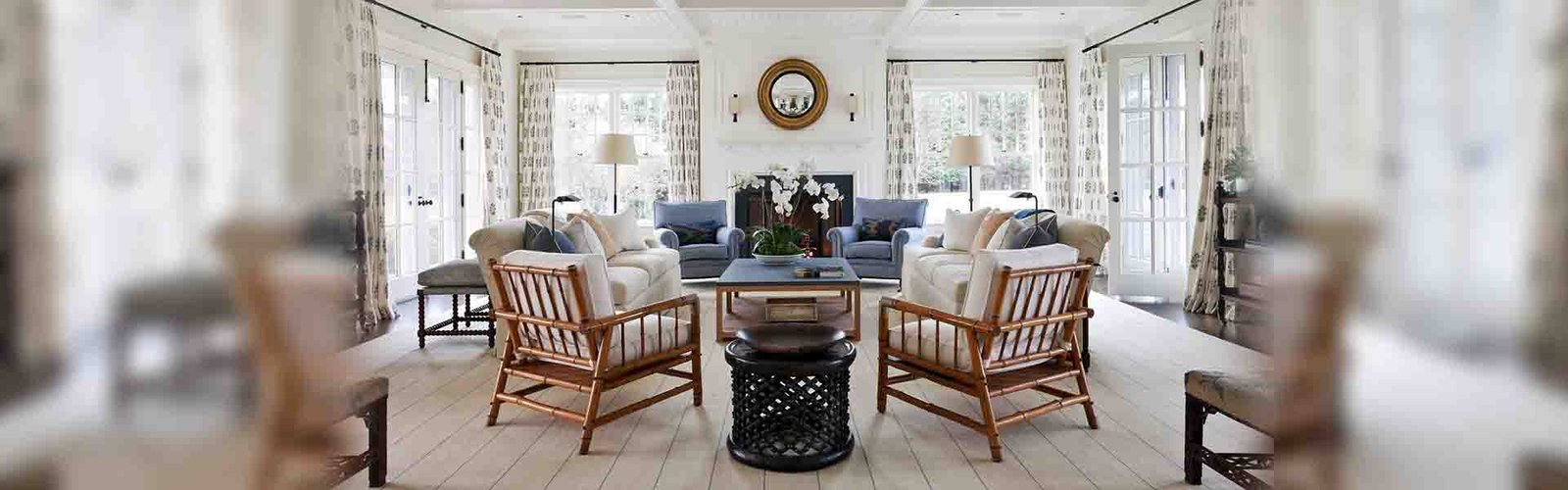
Contemporary decorating often fuses influences from different eras, and Victorian and mid-century modern pair surprisingly well. The trick is balance: let one style lead and use the other for contrast.
Harmonising Contrasting Elements
Try anchoring a room with mid-century fundamentals — a clean-lined sofa, a teak sideboard, an uncluttered layout — then layering Victorian richness on top: a patterned rug, velvet cushions, an ornate mirror or a gilded frame. Keep the palette restrained so the ornate pieces read as accents rather than clutter.
Comfort and Practicality
Both styles were designed for real life. Victorian seating was built for comfort and long conversation; mid-century pieces were conceived for practical, everyday living. Choose well-made pieces in both idioms, allow generous circulation space and prioritise natural light — comfort follows.
Why These Styles Still Matter
Designers keep returning to both aesthetics because they answer a basic human need: rooms with character. Victorian detailing brings warmth and history; mid-century restraint brings calm and order. Together or apart, they remind us that good design is about how a space makes us feel — and that feeling never goes out of fashion. Restoration projects, museums and design education all play their part in keeping these legacies alive for future generations.
Frequently Asked Questions
What defines Victorian interior style?
Victorian interiors are characterised by ornate detailing, rich colours, patterned textiles and a love of collected objects. The style emerged during Queen Victoria’s reign in the 19th century and celebrates craftsmanship, comfort and visual richness.
What are the key features of mid-century modern design?
Mid-century modern design emphasises clean lines, organic shapes and functionality, with minimal ornamentation and honest materials such as timber, leather and fibreglass. Iconic pieces include the Eames lounge chair and low teak sideboards.
Can Victorian and mid-century modern styles work together?
Yes. A successful blend usually lets one style lead — for instance, mid-century furniture and layout — while the other provides accents such as Victorian textiles, mirrors or lighting. A restrained palette keeps the mix harmonious.
Which colours suit each style?
Victorian rooms favour deep, saturated colours such as burgundy, forest green and navy. Mid-century modern spaces lean towards warm neutrals — beige, cream and soft grey — with confident accents of mustard, teal or burnt orange.
How can I add classic style to a contemporary home?
Start with elements that resonate with you: a colour scheme from a particular era, a signature furniture piece as a focal point, or architectural details such as picture rails and ceiling roses. Thoughtful, selective touches work better than a full period recreation.