
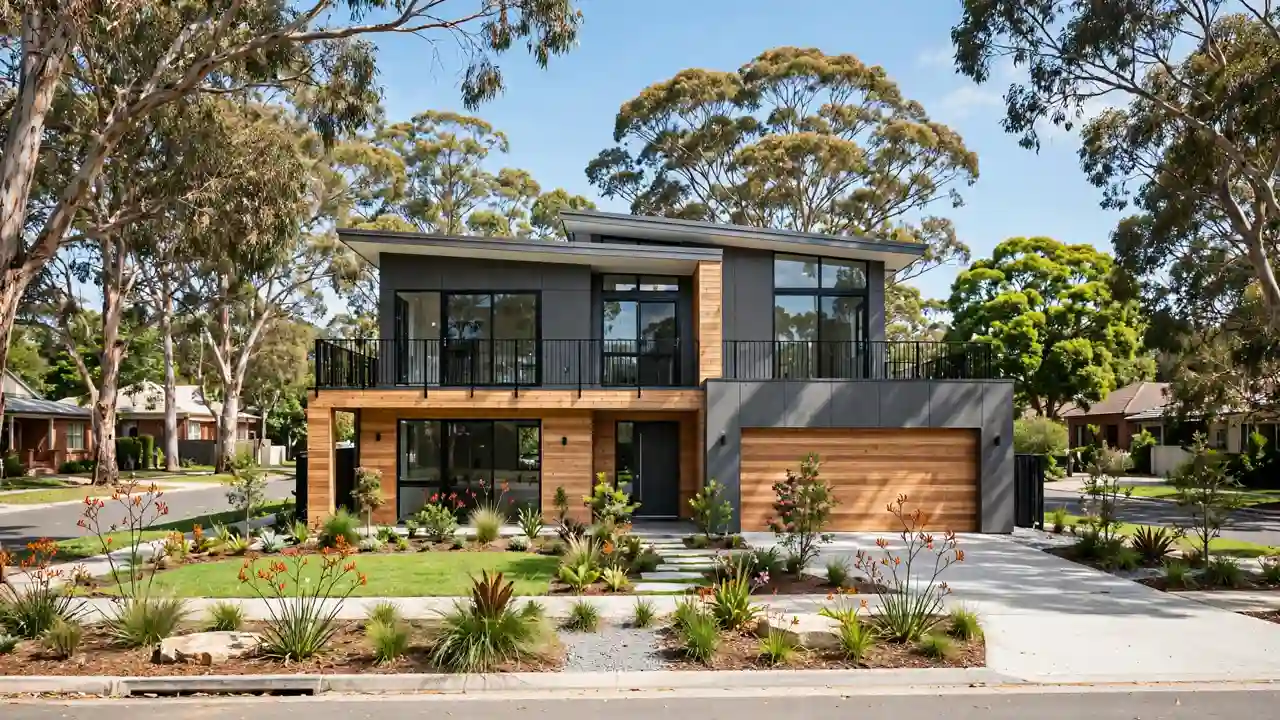
18 to 30 months, and $420,000 to $1,800,000 or more. That is what the knock down rebuild process Australia takes and costs in 2026, from decision to move-in day. However, the guides that quote a single number are not lying; they are quoting different houses in different cities. A project-home rebuild on a flat Brisbane block differs from a custom rebuild on a sloping Sydney block. The timelines differ, and the approval path alone can add six months. This guide lays out the full sequence. It reconciles the published costs. It also names the mistakes that blow the timeline.
Knock Down Rebuild Process Australia: The Short Answer
In short, a knock down rebuild means demolishing your house and building a new one on the same block. First, the sequence is feasibility, design, approvals, demolition, construction and handover. Builtly’s 2026 national guide puts the total project at $600,000 to $1,800,000 or more, excluding land you already own. Demolition is $15,000 to $45,000 and construction is $450,000 to $1,500,000-plus. Temporary accommodation is $20,000 to $80,000 while you live elsewhere. Leadkit’s 2026 figures run lower, $420,000 to $1,100,000 including GST for a typical 120 to 260 square metre suburban home. That is because they describe project-home rebuilds rather than custom builds. Similarly, in Sydney, giantA puts the all-in figure at $480,000 to $900,000-plus for a standard knock down rebuild. Your approval path is the single biggest variable in that timeline: a fast-track CDC or a full council DA.
The Knock Down Rebuild Process, Step by Step
Every rebuild follows the same sequence, even when the timing differs. Start with feasibility: confirm zoning, minimum lot size and overlays such as heritage, flood and bushfire. Get a preliminary estimate. It takes one to two weeks and $1,500 to $3,000 through a planning consultant. Builtly’s figures say two to four weeks. Next comes design and documentation, the longest stage before construction. It covers concept design, DA drawings, engineering and energy compliance. That takes three to 12 months with an architect or building designer. Then comes approvals. A CDC takes as little as 20 days where the design meets the state standards. A DA takes three to six months or longer through council.
Asbestos inspection and removal comes fourth. It is mandatory for pre-1990 homes and takes one to four weeks. Demolition itself follows, usually one to two weeks, once you have disconnected the services and hold the approval. Construction runs 10 to 18 months from slab to practical completion. Finally, handover and the occupation certificate close the process. The knock down rebuild process Australia follows is sequential for a reason. Demolishing before you hold the approvals risks an empty block and a refused DA.
| Stage | Typical time | Key work |
|---|---|---|
| Feasibility and checks | 2–4 weeks | Zoning, overlays, heritage, preliminary estimate |
| Asbestos inspection | 1 week | Licensed assessor |
| Design and documentation | 3–12 months | Concept, drawings, engineering, energy compliance |
| Approvals (CDC or DA) | 2 weeks–6+ months | Certifier or council assessment |
| Asbestos removal | 1–4 weeks | Licensed removal before demolition |
| Demolition | 1–2 weeks | Demolition, waste removal, site clearance |
| Construction | 10–18 months | Slab to practical completion |
CDC vs DA: Which Approval Path Fits Your Rebuild
However, in New South Wales there are two approval routes, and the choice shapes the whole project. A Complying Development Certificate (CDC) is a fast-track approval for work that meets every standard in the state codes. The certifier checks the proposal against fixed rules for height, setbacks, site coverage and floor space ratio. By contrast, a Development Application (DA) goes to council. Council assesses it on merit against the local environmental plan and development control plan. It requires neighbour notification and typically takes three to six months, sometimes longer.
giantA’s 2026 Sydney guide puts the same split at two to four weeks for a CDC. A DA takes three to six-plus months. It also needs a separate construction certificate before building starts. A CDC combines both approvals in one document. A CDC is not available everywhere. Heritage items, conservation areas, flood and bushfire overlays all push a project to a DA. So do designs that vary from the standards. The knock down rebuild process Australia runs on in NSW is the CDC-or-DA choice. Settle it at feasibility stage, before design money is spent on a plan that cannot use the fast path. The NSW Planning Portal complying development page states the 20-day and 10-day timeframes.
What a Knock Down Rebuild Costs in 2026
Published totals disagree because they describe different projects. Leadkit’s $420,000 to $1,100,000 including GST covers a typical suburban rebuild of 120 to 260 square metres. Most 150 to 220 square metre project-home rebuilds land between $520,000 and $940,000, at $3,450 to $5,700 per square metre. Builtly’s $600,000 to $1,800,000-plus stretches to custom and architect-designed homes at up to $5,500 per square metre. It also covers council fees of $8,000 to $30,000 and temporary accommodation of $20,000 to $80,000. Cheaper guides leave those costs out. giantA’s Sydney range of $480,000 to $900,000-plus sits between the two. It describes a standard Sydney rebuild, not a premium custom build. The home is a medium-standard brick veneer at $2,195 to $2,370 per square metre. Read the figures by project type. Project-home rebuild: $420,000 to $940,000. Standard Sydney rebuild: $480,000 to $900,000. Custom or premium rebuild: $1,000,000 and beyond.
| Cost line, 2026 | Typical range | Notes |
|---|---|---|
| Demolition | $15,000–$45,000 | Size, access and asbestos drive the range |
| Asbestos removal | $5,000–$30,000+ | Pre-1990 homes; inspection $2,000+ |
| Approvals and fees | $5,000–$30,000 | CDC cheaper than DA; heritage adds more |
| Design and engineering | $10,000–$40,000 | Architect or designer, project-home less |
| Construction | $450,000–$1,500,000+ | $1,800–$5,500/m² by specification |
| Temporary accommodation | $20,000–$80,000 | Rent for 12–18 months |
| Total project | $420,000–$1,800,000+ | Excludes land you already own |
Demolition: The Part Most Guides Rush Past
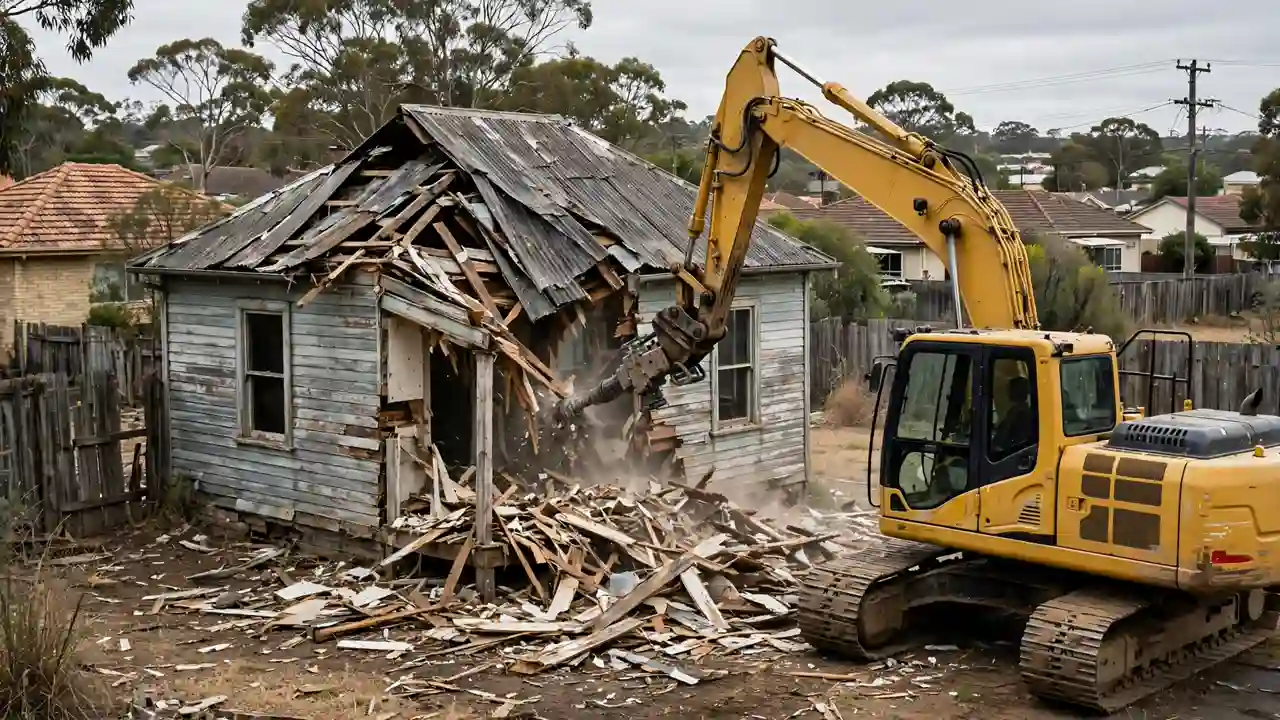
Demolition is the smallest line in the budget, but the one most likely to surprise you. A standard single-storey house in Western Sydney costs $10,000 to $15,000 to demolish. However, the figure moves with asbestos, access and what is under the slab. Homes built before 1990 need a licensed asbestos inspection first. Builtly puts inspection and removal at $2,000 to $30,000-plus depending on extent. You need a demolition approval either way. In NSW, a house demolition goes through a CDC under the Demolition Code or a DA to council. Demolition must follow Australian Standard AS 2601. Disconnect the services first. The practical point is that demolition carries a separate quote from the build contract. No reputable demolition contractor prices a knockdown without seeing the site. Finally, get the demolition quote in writing before you sign the build contract.
Knock Down Rebuild vs Renovation: The Honest Comparison
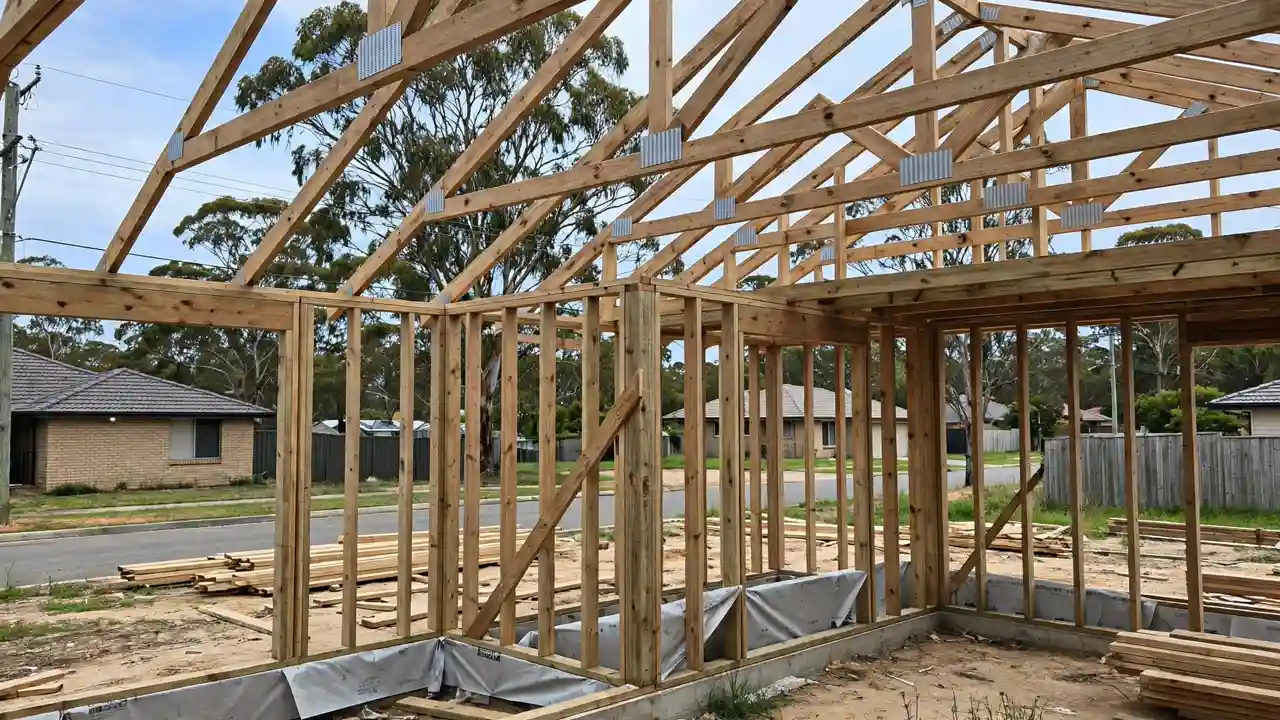
Most people considering a knock down rebuild are also considering a major renovation. However, the comparison is closer than either industry admits. A renovation keeps the structure, roof and slab. It avoids demolition and temporary accommodation. However, it inherits the old home’s floor plan, wiring and plumbing. A deep renovation can cost nearly as much as a rebuild while delivering less. A rebuild gives you a new home, a new warranty and modern energy standards. You also get a floor plan drawn for the block. However, it costs demolition plus a full build plus rent. It takes 18 to 30 months.
If the structure is sound and the plan mostly works, renovate. Knock down and rebuild if the home is at the end of its life. Do the same when the renovation quote nears the rebuild quote. When a renovation quote comes in above 60 to 70 per cent of a comparable rebuild, the rebuild usually wins. The renovated home still carries old bones. Where the existing home needs structural work like underpinning, that cost belongs on the renovation side. Our house underpinning cost guide prices it.
5 Mistakes That Blow a Knock Down Rebuild Timeline
These failures turn an 18-month rebuild into a 30-month one. First, demolishing before you hold the approvals. A refused DA with an empty block is the most expensive position in residential building. It happens when owners treat demolition as step one instead of step five. Second, designing a home that cannot use the CDC path. You discover at lodgement that the design needs a DA and six more months. Third, skipping the asbestos inspection until demolition week. Work stops while you book a licensed removalist.
Fourth, signing a build contract with provisional sums for site works instead of a fixed site cost. The slab uncovers rock or fill, and the price moves. Fifth, underestimating the rental period: budgeting 12 months of rent for an 18-month build means moving twice. The knock down rebuild process Australia rewards most is the most sequenced project. Feasibility comes before design, approvals before demolition, and fixed site costs before signing. If budget is the constraint, read our affordable home improvements guide before you commit. Improving the home you have and rebuilding later is sometimes cheaper.
Where You Live While the Build Happens
In fact, temporary accommodation is the cost line most rebuild budgets hide. Builtly puts it at $20,000 to $80,000 for the build period. The range is wide. It depends on where you rent, for how long, and whether you need storage and two moves. The finance usually assumes you are paying a mortgage and rent at the same time. The lender’s assessment includes both. Talk to a broker before you sign anything. Borrowing capacity modelled on the finished home does not always cover 18 months of double housing cost. Instead, budget the rent for the full timeline plus three months, not for the builder’s best case.
How to Choose a Knock Down Rebuild Builder
Three quotes, same specification, fixed-price contracts — the same discipline as any build, with two extras. First, confirm the builder has done knock down rebuilds, not just new builds on empty blocks. Demolition coordination, asbestos sequencing and building on an established block with neighbours on three sides are different skills. Second, confirm what the contract excludes: demolition, site works, approvals, landscaping and temporary accommodation. A quote that leaves them out is not cheaper. Check the builder’s licence and home warranty insurance. Also ask for two recent knock down rebuild clients you can call. If you are buying your first home and rebuilding on it, read our first home buyer renovation tips. They cover the finance and planning checks that apply first.
Frequently Asked Questions
How long does a knock down rebuild take in Australia?
Typically 18 to 30 months from decision to occupancy, according to Builtly’s 2026 guide. Design and documentation take 3 to 12 months, approvals 2 weeks to 6-plus months depending on the CDC or DA path, demolition 1 to 2 weeks, and construction 10 to 18 months. Sydney builders generally quote 12 to 24 months.
How much does a knock down rebuild cost in Australia?
Most suburban rebuilds cost $420,000 to $1,100,000 including GST in 2026, according to Leadkit, with project-home rebuilds of 150 to 220 square metres at $520,000 to $940,000. National guides that include custom and architect-designed homes stretch to $1,800,000 or more. Demolition adds $15,000 to $45,000; temporary accommodation $20,000 to $80,000.
Do I need a CDC or a DA for a knock down rebuild?
In NSW, a CDC suits a straightforward rebuild that meets every standard in the state codes, with approval in as little as 20 days, or 10 days for a Housing Pattern Book design. A DA is needed where the design varies from the standards, the block is in a heritage area, or overlays apply, and it typically takes three to six months through council. Other states use different names for the same idea.
Can I demolish my house before approval is granted?
No — not safely. Demolition needs its own approval, through a CDC under the Demolition Code or a DA to council, and demolishing before the rebuild approval is granted risks an empty block with a refused DA. In a heritage area, a CDC covers only limited demolition, so a full knockdown goes through a DA.
Is a knock down rebuild cheaper than renovating?
Not always. A renovation avoids demolition, temporary accommodation and a full build, but a deep renovation of a tired house can cost nearly as much as a rebuild while keeping old bones. As a rule, if the renovation is quoted above 60 to 70 per cent of a comparable rebuild, the rebuild usually wins.
What does demolition cost for a knock down rebuild?
Demolition of a standard single-storey home costs $10,000 to $15,000 in Western Sydney, $15,000 to $35,000 across Sydney generally, and $15,000 to $45,000 nationally. Asbestos removal adds $5,000 to $30,000 or more for pre-1990 homes. Demolition is quoted separately, and no reputable contractor prices it without seeing the site.
The knock down rebuild process Australia rewards is a sequence, not a race. Feasibility comes before design, approvals before demolition, and fixed site costs before signing. Finally, get the CDC-or-DA answer at feasibility stage and budget rent for the full timeline plus three months. Compare the rebuild against a renovation on the same specification.