
Fresh paint is the cheapest facelift a home can get — but quotes can be baffling: $1,200 from one painter, $6,000 from another for the same job.
Short answer: In 2026, professional interior house painting cost in Australia typically runs $20–$60 per square metre. A single standard bedroom, for example, costs $800–$1,500 professionally painted (walls, ceiling, skirting and a door); a full 3-bedroom house interior is $4,500–$11,000. Painting it yourself costs roughly $75–$200 in materials. However, labour is 70–85% of a pro quote.
Note: all prices below are indicative 2026 Australian figures from published trade guides. Because costs vary, get itemised quotes.
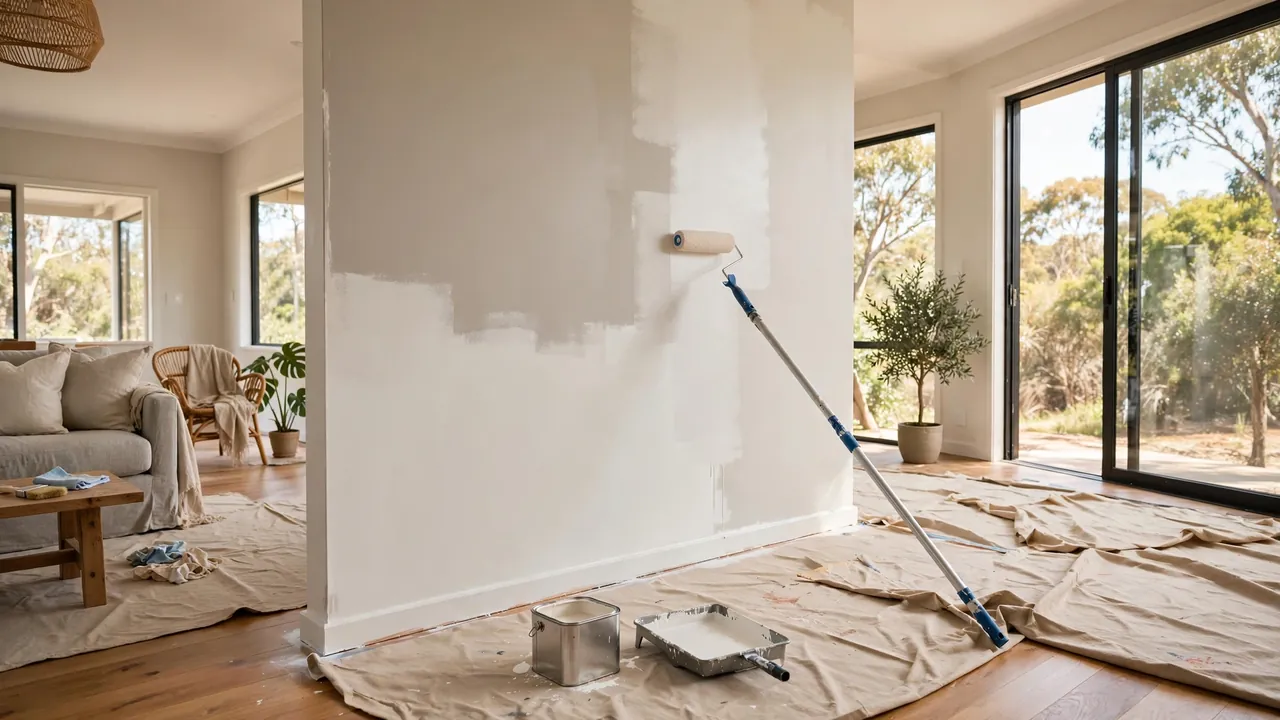
Interior house painting cost in Australia: the 2026 averages
Most Australian painters price interior work per square metre of wall and ceiling area, then adjust for prep, access and finish. Published 2026 guides, for instance, place the rate at $20–$60 per square metre, covering preparation, two topcoats, labour and materials. However, wall condition, ceiling height, colour count and paint quality decide where you land.
Trim, doors and windows are usually priced separately. However, don’t assume the wall rate covers them.
| Home size | Indicative cost (2026) |
|---|---|
| 2-bedroom apartment | $3,000–$5,000 |
| 3-bedroom house | $4,500–$11,000 |
| 4-bedroom house | $6,000–$10,000+ |
As a result, hourly rates ($40–$100/hr in metro areas, per 2026 guides) suit small touch-ups. For anything larger, however, get a fixed price.
Cost to paint a room in Australia: per-room prices
For example, per-room pricing assumes fair surfaces, light prep and two topcoats of quality acrylic:
| Room | Typical cost (AUD) | Usually included |
|---|---|---|
| Standard bedroom | $800–$1,500 | Walls, ceiling, skirting, one door |
| Master bedroom | $1,000–$2,000 | Larger area, walk-in robe |
| Living room | $1,200–$2,500 | Larger wall area, possible feature wall |
| Kitchen | $600–$1,200 | Walls and ceiling only (no cabinetry) |
| Bathroom | $400–$800 | Ceiling and non-tiled areas; wet-area paint |
| Hallway and stairwell | $800–$1,800 | Narrow access; high stairwell ceilings |
Treat these as a sanity check, not a quote. Therefore, compare the same scope across quotes. Budgeting the whole renovation? Our guide to renovation cost per square metre in Australia puts painting in context.
What affects your interior house painting quote
Two identical-looking houses can, however, attract quotes thousands apart:
- Colour changes. The biggest hidden cost driver: dark-to-light usually needs extra primer and sometimes a third topcoat. As a result, 2026 data puts colour-change jobs at 30–50% more per room.
- Ceiling height. Standard is ~2.4m, but at 2.7m or above painters need poles, ladders or scaffolding, slowing everything down.
- Wall condition. First, cracks, peeling paint, painted-over wallpaper and water stains must be filled, sanded, sealed. Consequently, heavy prep can double a room’s labour.
- Paint quality. In comparison, budget paint needing three coats costs more in labour than premium paint covering in two. In fact, quality interior paint runs ~$185 per room plus $110 for primer.
- Trim, doors and woodwork. Usually priced separately: for example, ~$80–$200 per door, $8–$15 per lineal metre of skirting and architraves, $60–$150 per window frame.
- Number of colours. Extra colours mean more cutting-in and masking: a feature wall is lovely, but five colours across open plan is a labour bill.
- Furniture and access. Instead of paying the painter to shift furniture, clear rooms yourself.
- Location. Sydney and Melbourne metro rates run higher than regional areas, while remote properties can attract travel surcharges.
Paint finish selection: matte, eggshell, satin and where each belongs
Finish doesn’t usually move the quote much, but it decides how your paint job looks in five years. In other words:
| Finish | Sheen | Best for | Watch out for |
|---|---|---|---|
| Flat / matte | 0–5% | Ceilings, low-traffic bedrooms | Hard to clean; scrubbing can damage it |
| Eggshell | 10–15% | Living rooms, dining rooms, bedrooms | Moderate cleaning |
| Satin | 25–35% | Kitchens, bathrooms, kids’ rooms | Shows flaws more; needs good prep |
| Semi-gloss | 35–70% | Trim, doors, skirting, architraves | Every flaw shows; prep carefully |
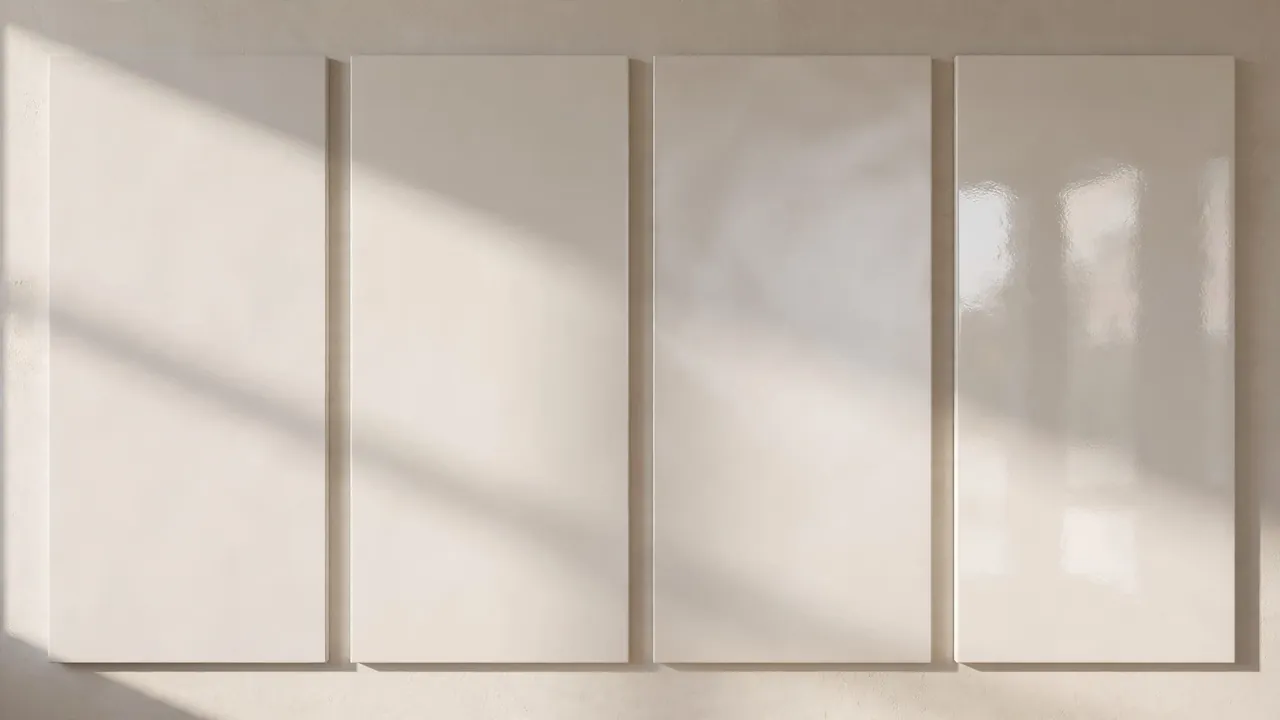
- Ceilings get flat paint: you’re not scrubbing a ceiling, so matte hides uneven roller coverage. It’s also the cheapest paint on the shelf.
- Most walls: eggshell or satin. Eggshell, moreover, suits living areas — soft, forgiving, wipeable. However, choose satin where hands, steam or splatter are constant: kitchens, bathrooms, hallways and kids’ rooms.
- Trim gets semi-gloss, since doors, skirting and architraves cop the most abuse. Semi-gloss dries hard and wipes clean, while flat trim collects marks that never come out.
- First, test samples. Sheen looks different under morning and evening light, so a $10–$15 sample pot is cheap insurance.
Similarly, our guide to popular interior paint colours in Australia walks through the shades that work best in Australian light.
DIY vs professional: the honest cost comparison
So here’s the honest maths:
| Factor | DIY | Professional |
|---|---|---|
| Paint and materials | $75–$200 (paint, primer, tape, rollers, drop sheets) | Included in quote |
| Your time | 8–16 hours over 1–3 weekends | Zero |
| Prep (patching, sanding, priming) | You do it — 3–4 hours minimum | Included |
| Finish quality | Depends on your patience | Clean lines, even coverage |
| Warranty | None | Workmanship backing on most pro jobs |
| Total out-of-pocket | $75–$200 | $800–$1,500 |
For starters, DIY suits single rooms with good existing paint and same-colour refreshes. For example, save $600–$1,000 per bedroom by spending a weekend on prep and two careful coats.
However, hire a professional for whole houses, high ceilings, stairwells, dark-to-light colour changes, damaged walls and lead paint in older homes. In contrast, a pro crew paints a 3-bedroom house in 3–6 days; DIYers need three or four weekends.
One more honest point: when painting before selling, however, a professional finish is one of the highest-return renovations. Sloppy DIY work, however, does the opposite — buyers read patchy paint as cutting corners.
A personal experience: what repainting my own living room taught me
(Illustrative account.)
I’ll be honest: I repainted my living room with classic DIY confidence. I bought mid-range paint on special, skipped the wash because the walls “looked clean”, and painted pale greige over warm beige.
The first coat looked fine. However, the second revealed every shortcut — patchy coverage with no primer, and un-sanded picture-hook holes showing through. As a result, a Saturday job stretched across two weekends, and extra paint cost more than primer ever would have.
The lesson: prep is the paint job. Rolling is the easy 20%; still, washing, filling, sanding and priming is the other 80%. Indeed, it’s invisible when done right — which is exactly why DIYers skip it and pros don’t. Still, I DIY single rooms, but I do the boring prep first — no third coat since.
Expert insights: what professional painters say matters most
First, no invented quotes — just consistent advice from Australian trade and cost guides:
- Preparation is most of the job: after all, surface prep is roughly 80% of the work. So if a quote seems high, check the prep line.
- Two coats is the standard; however, one coat is a red flag. A single topcoat, however, looks patchy and ages fast. In short, a one-coat quote is half a paint job.
- Yet colour changes cost more, every time. In fact, dark-to-light adds 30–50% per room in primer and coverage coats. Reputable painters build this in openly, while dodgy quotes hide it, then charge “variations” halfway through.
- Mind the lead paint in older homes. Because it was used in most Australian homes built before 1970, LeadSmart NSW Government guidance advises testing before sanding or scraping, keeping children and pregnant women away, and wearing a properly fitted P1 or P2 respirator.
- Get it in writing. For larger jobs, therefore, get a fixed-price quote after a site inspection, with prep, paint brand, coats and exclusions. Finally, tradie services carry automatic consumer guarantees — check the ACCC’s guidance on consumer guarantees before paying a deposit.
Quote red flags to watch for
A cheap quote isn’t always a bargain, so walk away — or ask hard questions:
- A lump-sum price with no breakdown. For instance, labour, paint, prep and extras should be itemised.
- One coat specified. Patchy now, repainting in two years.
- No written contract. Above all, substantial jobs should be documented before work starts.
- A huge upfront deposit. A modest materials deposit is normal; anything above 50% upfront, however, is not.
- Cash-only, no ABN, no insurance. After all, if a ladder goes through the plaster, you want a licensed, insured operator.
- Vague scope or pressure tactics. Finally, ask what’s not included — ceiling? trim? furniture moving? — and walk away from “sign today” deals.
First, get three itemised quotes with matching scope. Be suspicious of any quote dramatically below the others, though — it usually means skipped prep, cheap paint or fewer coats.
The bottom line on interior house painting cost
To recap: budget $20–$60 per square metre for professional interior painting in 2026 — for example, roughly $800–$1,500 per bedroom, $4,500–$11,000 for a full 3-bedroom house. Colour changes add 30–50%; meanwhile, high ceilings and heavy prep push quotes up, with trim priced on top. Alternatively, DIY a single room for $75–$200 in materials if you’ll do the prep properly — or hire a pro for whole houses, stairwells and major colour changes.
Start with the numbers: first measure your rooms and decide colours and finishes — a 3×4m bedroom with 2.4m ceilings is roughly 33m². Then punch the measurements into our free paint calculator and get three itemised quotes. In the end, the cheapest quote rarely paints the best picture — the clearest does.
Frequently asked questions
How much does interior house painting cost in Australia?
In 2026, professional interior painting typically costs $20–$60 per square metre of wall area, covering prep, two topcoats, labour and materials. A standard bedroom runs $800–$1,500, a living room $1,200–$2,500, and a full 3-bedroom house $4,500–$11,000. Colour changes, high ceilings and poor wall condition push quotes toward the top of these ranges.
How much does it cost to paint a room in Australia?
Professionally painting a standard bedroom costs $800–$1,500, including walls, ceiling, skirting and one door. A master bedroom runs $1,000–$2,000, a living room $1,200–$2,500, a kitchen $600–$1,200 (walls and ceiling only) and a bathroom $400–$800. DIYing a bedroom costs roughly $75–$200 in materials.
What is the house painting cost per square metre for interiors?
Published 2026 Australian guides place interior painting at $20–$60 per square metre of wall area for standard plasterboard with two topcoats. Colour-change walls sit at $25–$45/m², ceilings at $15–$30/m² and textured walls at $30–$50/m². Trim, doors and windows are usually priced separately.
How much does it cost to paint a 3-bedroom house interior in Australia?
Expect $4,500–$11,000 for a full professional interior repaint in 2026, depending on size, condition, colours and location. Same-colour refreshes in good condition land near the bottom, while dark-to-light colour changes, high ceilings and heavy prep push toward the top. A pro crew typically finishes in 3–6 days.
Is it cheaper to DIY or hire a professional painter?
DIY is cheaper out-of-pocket: roughly $75–$200 in materials for a bedroom versus $800–$1,500 professionally. But labour is 70–85% of a pro quote — you’re buying speed, prep expertise and finish quality. DIY suits single rooms and same-colour refreshes; hire a pro for whole houses, high ceilings, stairwells, major colour changes or damaged walls.
What paint finish should I use on interior walls?
Use flat/matte on ceilings and eggshell on most walls — living rooms, bedrooms and dining rooms. Choose satin for kitchens, bathrooms, hallways and kids’ rooms where washability matters, and semi-gloss for trim, doors, skirting and architraves. Higher sheens are more durable but show imperfections more, so satin and semi-gloss need better surface preparation.
Costs vary by location, supplier and project complexity. Figures above are indicative 2026 ranges — get itemised quotes.