
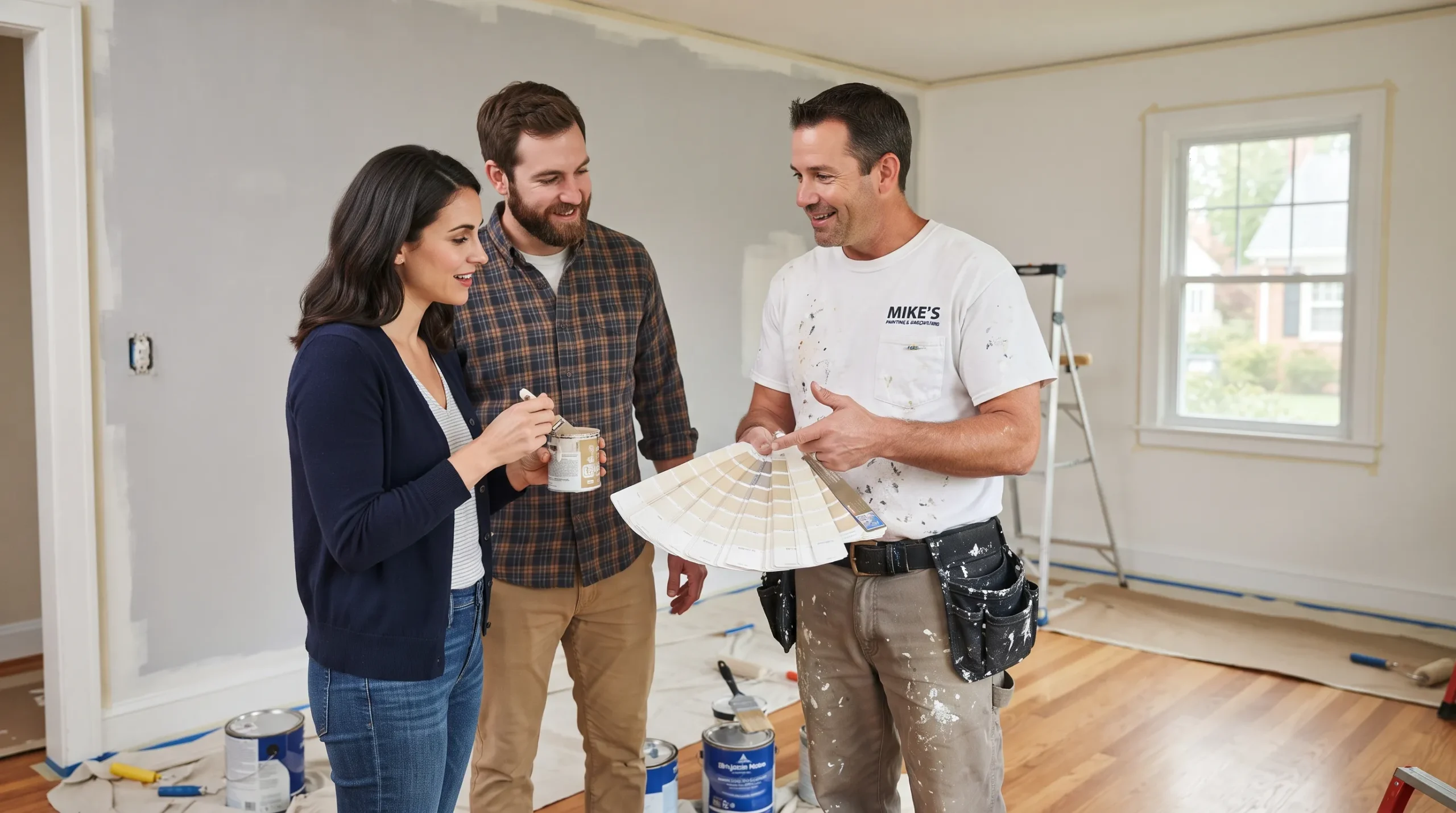
A fresh coat of paint is one of the simplest ways to transform a home — but what should you budget for house painting cost in Australia? Whether you’re updating a single room, repainting your home’s exterior or preparing a property for sale, painting can improve appearance, protect surfaces and increase overall value.
✓ Prices verified: October 2026. All ranges in this guide were researched from Australian suppliers, trade-quote platforms, and installer price guides.
Quick answer: A professional house repaint in Australia costs $3,000–$25,000 in 2026. A single-storey exterior runs $3,000–$8,000, a 3-bedroom interior $4,500–$11,000, and a full interior-plus-exterior repaint of a double-storey home $14,000–$20,000 or more. Interiors need repainting every 7–10 years; exteriors every 8–15 years. Prices verified: October 2026.
Before starting, most homeowners ask the same question:
How much does house painting cost in Australia?
The answer depends on several factors, including the size of your home, the number of rooms, the condition of the walls, the type of paint used and whether you’re painting the interior, exterior or both.
While a small bedroom may only cost a few hundred dollars to repaint, a complete exterior repaint for a large two-storey home can cost several thousand dollars.
This guide explains average painting costs across Australia, the factors that influence pricing, professional painter rates and practical ways to keep your renovation budget under control.
Average House Painting Cost in Australia
Painting costs vary depending on the project’s size and complexity. The table below provides a general guide to what Australian homeowners can expect to pay.
| Painting Project | Estimated Cost |
|---|---|
| Single Room | $400–$1,200 |
| Small Apartment | $2,000–$4,500 |
| 2-Bedroom House | $3,000–$6,000 |
| 3-Bedroom House | $4,500–$8,500 |
| 4-Bedroom House | $6,000–$12,000 |
| Exterior House Painting | $5,000–$15,000+ |
| Interior & Exterior Combined | $10,000–$25,000+ |
These are indicative prices. Actual costs will vary depending on labour rates, preparation work, paint quality and the property’s location.
Interior vs Exterior Painting Costs
Many homeowners wonder whether it’s more expensive to paint inside or outside the home.
The answer depends on the level of preparation required.
Interior Painting
Interior painting usually involves:
- Filling cracks and holes
- Sanding walls
- Applying primer where required
- Painting ceilings
- Painting walls
- Painting doors
- Painting skirting boards
- Cleaning the work area
Typical Cost
$20–$45 per square metre
Interior projects are generally easier to complete because painters work in a controlled environment protected from weather conditions.
Exterior Painting
Exterior painting is often more expensive because surfaces are exposed to sunlight, moisture and temperature changes.
Preparation may include:
- Pressure washing
- Scraping loose paint
- Repairing damaged timber
- Treating mould
- Applying weather-resistant primers
- Working at heights using scaffolding
Typical Cost
$25–$60 per square metre
Two-storey homes or properties with difficult access generally cost more due to additional labour and safety requirements.
House Painting Costs by Property Size
The size of your home is one of the biggest factors affecting the total painting cost.
2-Bedroom House
Ideal for apartments, townhouses and smaller homes.
Estimated Cost
$3,000–$6,000
This usually includes walls, ceilings and standard trim, assuming minimal repairs are required.
3-Bedroom House
This is the most common project size for Australian painting contractors.
Estimated Cost
$4,500–$8,500
Depending on the condition of the property, preparation work may represent a significant portion of the labour involved.
4-Bedroom House
Larger homes require more paint, additional labour and longer project timelines.
Estimated Cost
$6,000–$12,000
Features such as high ceilings, decorative cornices and multiple living areas can increase costs further.
5-Bedroom or Larger Homes
Luxury homes typically involve larger wall areas, premium finishes and more detailed preparation.
Estimated Cost
$10,000–$20,000+
Projects of this size often require larger painting crews to complete the work efficiently.
Cost Per Room
If you’re renovating gradually, understanding the average cost per room can help you prioritise your budget.
| Room | Estimated Cost |
|---|---|
| Bedroom | $400–$900 |
| Living Room | $700–$1,500 |
| Kitchen | $500–$1,200 |
| Bathroom | $300–$800 |
| Dining Room | $500–$1,000 |
| Hallway | $300–$700 |
These estimates generally include wall preparation, primer where required and two coats of quality paint.
Painter Hourly Rates in Australia
Some painters provide fixed-price quotes, while others charge by the hour for smaller projects.
Typical hourly rates range from:
$45–$80 per hour
The exact rate depends on:
- Experience
- Location
- Project complexity
- Surface preparation
- Access requirements
For larger jobs, requesting a fixed quote is often preferable, as it provides greater cost certainty.
Paint Costs
Not all paints offer the same level of durability or finish.
Choosing a quality product can improve coverage, reduce maintenance and extend the lifespan of the paintwork.
| Paint Type | Estimated Price (10L) |
|---|---|
| Budget Paint | $80–$150 |
| Mid-Range Paint | $150–$250 |
| Premium Paint | $250–$450 |
Higher-quality paints often require fewer coats, provide better washability and maintain their appearance for longer, making them a worthwhile investment for frequently used areas.
What Affects House Painting Costs?
No two painting projects are exactly the same. Two houses of similar size can have very different quotes depending on their condition, design and the amount of preparation required.
Understanding these cost factors will help you compare quotes more confidently and avoid unexpected expenses.
1. Surface Preparation
Preparation is one of the most important stages of any painting project.
A professional finish depends on what’s underneath the paint, not just the paint itself.
Preparation may include:
- Filling cracks and holes
- Sanding rough surfaces
- Removing peeling paint
- Cleaning dirt and grease
- Repairing damaged plaster
- Applying primer
- Sealing stains
If your walls are already in good condition, preparation time—and therefore labour costs—will usually be lower.
2. Number of Coats
Most professional painters recommend:
- One coat of primer (where needed)
- Two finish coats
However, darker colours, dramatic colour changes or poor-quality existing paint may require an additional coat to achieve an even finish.
Although more coats increase material and labour costs, they often result in a more durable and attractive finish.
3. Ceiling Height
Standard ceilings are quicker and easier to paint.
Homes with:
- High ceilings
- Cathedral ceilings
- Stairwells
- Void areas
typically require additional equipment such as scaffolding or extension platforms, increasing labour time and overall costs.
4. Wall Condition
Older homes often require more preparation than newer properties.
Common issues include:
- Nail holes
- Water stains
- Cracks
- Peeling paint
- Mould
- Uneven plaster
Repairing these issues before painting helps achieve a smoother, longer-lasting finish.
5. Paint Quality
Choosing cheaper paint may reduce your upfront costs, but it doesn’t always provide the best long-term value.
Premium paints generally offer:
- Better coverage
- Greater durability
- Improved washability
- Better fade resistance
- Longer lifespan
For busy households with children or pets, investing in higher-quality paint can reduce the need for frequent repainting.
Labour Costs
Labour is usually the largest part of a painting quote.
Professional painters don’t simply apply paint. Their work includes protecting furniture and flooring, preparing surfaces, masking edges, applying multiple coats and cleaning the work area after completion.
For a standard house painting project, labour often accounts for 60–70% of the total cost.
Typical Labour Breakdown
| Task | Estimated Share of Budget |
|---|---|
| Preparation | 25% |
| Painting | 45% |
| Clean-up | 5% |
| Materials Handling | 5% |
| Equipment & Access | 10% |
| Project Management | 10% |
Hidden Costs Homeowners Often Forget
Many homeowners budget for paint and labour but overlook additional expenses that can affect the final price.
Furniture Removal
Large furniture may need to be moved before painting begins.
If contractors are responsible for moving heavy furniture, additional labour charges may apply.
Plaster Repairs
Removing picture hooks or repairing damaged plaster can add extra time before painting starts.
Homes that haven’t been repainted for many years often require more extensive repairs.
Mould Treatment
Bathrooms, laundries and exterior walls may develop mould due to moisture.
Painting over mould without treating the underlying cause can lead to recurring problems.
Professional mould treatment may be recommended before painting begins.
Timber Repairs
Exterior painting projects sometimes reveal:
- Rotten timber
- Damaged weatherboards
- Cracked fascia boards
- Loose trim
These repairs usually need to be completed before painting can proceed.
Scaffolding
Painting:
- Double-storey homes
- Multi-level townhouses
- Difficult rooflines
may require scaffolding or elevated work platforms.
This can significantly increase the overall project cost.
DIY vs Hiring a Professional Painter
Many homeowners wonder whether painting is a worthwhile DIY project.
The answer depends on the size and complexity of the job.
DIY Painting
Suitable for:
- Small bedrooms
- Feature walls
- Touch-up work
- Garden sheds
- Fences
Advantages include:
- Lower labour costs
- Flexible schedule
- Personal satisfaction
However, achieving a professional finish requires careful preparation, quality tools and plenty of patience.
Hiring a Professional
Professional painters bring:
- Experience
- Proper equipment
- Faster completion
- Cleaner finish
- Product knowledge
- Workmanship warranties
For larger homes, exteriors or properties with high ceilings, hiring experienced professionals is often the safer and more efficient option.
Seven Smart Ways to Reduce Painting Costs
Reducing costs doesn’t mean compromising on quality.
Here are practical strategies that can help you stay within budget.
1. Paint Multiple Rooms at Once
Painting contractors can often complete multiple rooms more efficiently during a single project, reducing setup time and labour costs.
2. Choose Neutral Colours
Neutral colours usually require fewer specialist products and are less likely to need frequent repainting if you decide to sell your home.
3. Complete Minor Preparation Yourself
Simple tasks such as removing wall decorations, clearing furniture and cleaning surfaces can reduce labour time.
Always confirm with your painter which preparation tasks you’re comfortable handling yourself.
4. Buy Paint During Promotional Sales
Major retailers frequently House Painting Cost Australiaoffer discounts during seasonal promotions.
Purchasing paint during these periods may help reduce material costs.
5. Compare Detailed Quotes
Rather than choosing the cheapest quote, compare:
- Number of coats included
- Paint brand
- Surface preparation
- Warranty
- Cleanup
- Estimated completion time
A detailed quote makes it easier to understand exactly what you’re paying for.
6. Invest in Quality Paint
Better paint often covers more effectively and lasts longer, reducing maintenance costs over time.
In many cases, it’s more economical than choosing the cheapest option available.
7. Schedule During Quieter Periods
Some painting contractors may have greater availability during less busy seasons.
If your timeline is flexible, ask whether different scheduling options could affect pricing.
How to Compare Painting Quotes
Receiving multiple quotes is one of the best ways to understand market pricing, but not all quotes include the same scope of work.
When reviewing estimates, check for:
- Surface preparation included
- Number of paint coats
- Paint brand and product line
- Labour costs
- Material costs
- Protection of floors and furniture
- Cleanup after completion
- Warranty details
- Estimated project duration
A transparent quote reduces the risk of unexpected costs later in the project.
How Long Does It Take to Paint a House?
The timeline for a painting project depends on the size of the property, the amount of preparation required and weather conditions for exterior work.
Below is a general guide for a professional painting team.
| Project | Typical Time |
|---|---|
| Single room | 1 day |
| Two-bedroom home (interior) | 3–5 days |
| Three-bedroom home (interior) | 4–7 days |
| Four-bedroom home (interior) | 5–8 days |
| Exterior repaint | 4–10 days |
| Interior and exterior | 7–15 days |
Projects requiring extensive repairs, multiple colours or difficult access may take longer.
Choosing the Right Paint Finish
The finish you choose affects not only the appearance of your home but also how easy the surfaces are to clean and maintain.
| Finish | Best Used For |
|---|---|
| Flat or Matte | Ceilings and low-traffic areas |
| Low Sheen | Living rooms and bedrooms |
| Satin | Hallways and family areas |
| Semi-Gloss | Kitchens, bathrooms and trim |
| Gloss | Doors, skirting boards and decorative woodwork |
In areas exposed to moisture, such as bathrooms and laundries, washable finishes generally provide better long-term performance.
How to Choose a Professional Painter
Hiring the right painter is just as important as choosing the right paint.
Before signing a contract, ask the following questions:
- Are you licensed and insured?
- How many years of experience do you have?
- Can you provide recent customer references?
- Which paint brands do you recommend?
- How many coats are included?
- Is surface preparation included?
- What warranty do you provide?
- What is the expected completion time?
A reputable contractor should be willing to explain their process and provide a written quote detailing the work included.
Is House Painting Worth the Investment?
For many homeowners, painting offers one of the highest visual returns compared with other home improvements.
Fresh paint can:
- Improve street appeal
- Brighten interior spaces
- Protect walls and exterior surfaces
- Refresh outdated colour schemes
- Help a property present better to potential buyers
- Make a home feel cleaner and more modern
If you’re preparing your property for sale, repainting key areas such as the living room, kitchen and exterior can improve first impressions and help buyers focus on the home’s features rather than signs of wear.
House Painting Costs Across Australia
Painting prices vary across Australia due to differences in labour rates, demand and local market conditions.
| Location | Typical Cost for a Mid-Sized Interior Project |
|---|---|
| Sydney | $5,000–$9,000 |
| Melbourne | $4,500–$8,500 |
| Brisbane | $4,000–$8,000 |
| Perth | $4,000–$8,000 |
| Adelaide | $3,800–$7,500 |
| Canberra | $4,500–$8,500 |
| Hobart | $3,500–$7,000 |
| Darwin | $4,500–$8,500 |
These are general estimates. A detailed quote from a local painter will provide the most accurate pricing for your project.
House Painting Checklist
Before work begins, use this checklist to stay organised.
Planning
- Set a realistic budget.
- Decide which areas need painting.
- Choose your preferred colour scheme.
- Select paint finishes for each room.
- Gather inspiration and sample colours.
Hiring a Painter
- Obtain at least three written quotes.
- Check licences and insurance.
- Read customer reviews.
- Ask about warranties.
- Confirm project timelines.
Before Painting Starts
- Remove artwork and wall decorations.
- Move or cover furniture.
- Protect flooring.
- Trim nearby plants for exterior projects.
- Confirm paint colours before application.
After Completion
- Inspect all painted surfaces.
- Check for missed areas or touch-ups.
- Review the final invoice.
- Keep a record of the paint colours and brands used for future maintenance.
Quick House Painting Cost Estimator
Use our free estimator for a ballpark figure based on 2026 Australian rates:
House Painting Cost Estimator
Estimate by paintable area and job type. Uses our verified 2026 Australian per-m² rates.
Prep work (sanding, filling, priming) included in typical rates. Two coats standard.
Estimate only — based on NTDesigns verified 2026 Australian pricing. Always get 2–3 quotes.
Frequently Asked Questions
How much does it cost to paint a three-bedroom house in Australia?
A typical three-bedroom home usually costs between $4,500 and $8,500 for interior painting. The final price depends on the size of the property, wall condition, ceiling height and the quality of paint selected.
What is included in a professional painting quote?
Most professional quotes include surface preparation, masking, primer where required, paint application, basic clean-up and labour. Always review the quote carefully to confirm exactly what is included.
Should I supply my own paint?
Some homeowners choose to purchase paint themselves, while others prefer the contractor to supply it. When painters supply the paint, they often recommend products they know perform well and may also pass on trade pricing.
How often should a house be repainted?
Interior walls may need repainting every 7–10 years, depending on wear and tear. Exterior surfaces generally require repainting every 8–15 years, although this varies with climate, surface type and paint quality.
Is spring the best time to paint a house?
Spring and autumn often provide favourable weather for exterior painting because temperatures are generally mild and humidity is lower. Interior painting can usually be completed year-round.
Final Thoughts
Painting your home is one of the most cost-effective ways to refresh its appearance and protect its surfaces. Whether you’re updating a single room or repainting an entire property, careful planning and realistic budgeting can help you achieve a professional result.
When comparing quotes, look beyond the final price. Consider the quality of preparation, the products being used, the contractor’s experience and the warranty provided. A well-executed paint job can last for many years, making it a worthwhile investment in both your home’s appearance and long-term maintenance.
By understanding the factors that influence painting costs, you’ll be better equipped to choose the right approach for your home and budget.
How much does it cost to paint a house in Australia?
A professional house repaint in Australia in 2026 costs $3,000–$25,000. A single-storey exterior is $3,000–$8,000, a 3-bedroom interior is $4,500–$11,000, and a full interior-plus-exterior repaint of a double-storey home is $14,000–$20,000 or more.
How much do painters charge per square metre?
Interior painting costs $20–$60 per square metre of painted surface and exterior painting costs $25–$80 per square metre. Rates at the top end reflect heavy preparation, colour changes, height and difficult access.
Is it cheaper to paint a house yourself?
Yes — DIY saves the labour component, which is 70–80% of a professional quote. A DIY 3-bedroom interior costs roughly $800–$2,000 in paint and gear. But professional prep makes paint last 7–10 years versus 2–5 for a typical DIY exterior, so the long-term maths is closer than it looks.
How often should you repaint a house exterior in Australia?
A quality exterior repaint lasts 7–10 years in most Australian climates. Harsh sun, coastal salt air and weatherboard cladding shorten that; shaded brick or render in mild areas can go longer.
Does painting increase home value?
A fresh exterior repaint is one of the highest-ROI cosmetic upgrades, with industry data suggesting a 5–7% perceived value lift. Interior repaints in neutral colours also help homes sell faster, though the value gain is harder to isolate.
What is the best paint brand in Australia?
Dulux, Taubmans and Haymes are the professional-grade Australian brands most trade painters use. Premium lines cover better and last 3–5 years longer than budget paint, and since paint is only 20–30% of the job cost, upgrading is usually money well spent.
How long does it take to paint a house?
A 3-bedroom interior takes a professional crew 3–6 days. A single-storey exterior takes 4–7 days; double-storey exteriors take 1–2 weeks depending on prep and weather.
Planning more home upgrades? See our house restumping cost guide and rainwater tank cost guide, or browse all our home improvement guides.
Updated: October 2026. Prices are indicative 2026 Australian ranges based on published trade pricing; always get at least three itemised local quotes for your specific home.
{
“@context”: “https://schema.org”,
“@type”: “FAQPage”,
“mainEntity”: [
{
“@type”: “Question”,
“name”: “How much does it cost to paint a three-bedroom house in Australia?”,
“acceptedAnswer”: {
“@type”: “Answer”,
“text”: “A typical three-bedroom home usually costs between $4,500 and $8,500 for interior painting. The final price depends on the size of the property, wall condition, ceiling height and the quality of paint selected.”
}
},
{
“@type”: “Question”,
“name”: “What is included in a professional painting quote?”,
“acceptedAnswer”: {
“@type”: “Answer”,
“text”: “Most professional quotes include surface preparation, masking, primer where required, paint application, basic clean-up and labour. Always review the quote carefully to confirm exactly what is included.”
}
},
{
“@type”: “Question”,
“name”: “Should I supply my own paint?”,
“acceptedAnswer”: {
“@type”: “Answer”,
“text”: “Some homeowners choose to purchase paint themselves, while others prefer the contractor to supply it. When painters supply the paint, they often recommend products they know perform well and may also pass on trade pricing.”
}
},
{
“@type”: “Question”,
“name”: “How often should a house be repainted?”,
“acceptedAnswer”: {
“@type”: “Answer”,
“text”: “Interior walls may need repainting every 7–10 years , depending on wear and tear. Exterior surfaces generally require repainting every 8–15 years , although this varies with climate, surface type and paint quality.”
}
},
{
“@type”: “Question”,
“name”: “Is spring the best time to paint a house?”,
“acceptedAnswer”: {
“@type”: “Answer”,
“text”: “Spring and autumn often provide favourable weather for exterior painting because temperatures are generally mild and humidity is lower. Interior painting can usually be completed year-round.”
}
},
{
“@type”: “Question”,
“name”: “How much does it cost to paint a house in Australia?”,
“acceptedAnswer”: {
“@type”: “Answer”,
“text”: “A professional house repaint in Australia in 2026 costs $3,000–$25,000. A single-storey exterior is $3,000–$8,000, a 3-bedroom interior is $4,500–$11,000, and a full interior-plus-exterior repaint of a double-storey home is $14,000–$20,000 or more.”
}
},
{
“@type”: “Question”,
“name”: “How much do painters charge per square metre?”,
“acceptedAnswer”: {
“@type”: “Answer”,
“text”: “Interior painting costs $20–$60 per square metre of painted surface and exterior painting costs $25–$80 per square metre. Rates at the top end reflect heavy preparation, colour changes, height and difficult access.”
}
},
{
“@type”: “Question”,
“name”: “Is it cheaper to paint a house yourself?”,
“acceptedAnswer”: {
“@type”: “Answer”,
“text”: “Yes — DIY saves the labour component, which is 70–80% of a professional quote. A DIY 3-bedroom interior costs roughly $800–$2,000 in paint and gear. But professional prep makes paint last 7–10 years versus 2–5 for a typical DIY exterior, so the long-term maths is closer than it looks.”
}
},
{
“@type”: “Question”,
“name”: “How often should you repaint a house exterior in Australia?”,
“acceptedAnswer”: {
“@type”: “Answer”,
“text”: “A quality exterior repaint lasts 7–10 years in most Australian climates. Harsh sun, coastal salt air and weatherboard cladding shorten that; shaded brick or render in mild areas can go longer.”
}
},
{
“@type”: “Question”,
“name”: “Does painting increase home value?”,
“acceptedAnswer”: {
“@type”: “Answer”,
“text”: “A fresh exterior repaint is one of the highest-ROI cosmetic upgrades, with industry data suggesting a 5–7% perceived value lift. Interior repaints in neutral colours also help homes sell faster, though the value gain is harder to isolate.”
}
},
{
“@type”: “Question”,
“name”: “What is the best paint brand in Australia?”,
“acceptedAnswer”: {
“@type”: “Answer”,
“text”: “Dulux, Taubmans and Haymes are the professional-grade Australian brands most trade painters use. Premium lines cover better and last 3–5 years longer than budget paint, and since paint is only 20–30% of the job cost, upgrading is usually money well spent.”
}
},
{
“@type”: “Question”,
“name”: “How long does it take to paint a house?”,
“acceptedAnswer”: {
“@type”: “Answer”,
“text”: “A 3-bedroom interior takes a professional crew 3–6 days. A single-storey exterior takes 4–7 days; double-storey exteriors take 1–2 weeks depending on prep and weather.”
}
}
]
}
Explore More Renovation Cost Guides
Planning a bigger project? Compare costs across our 2026 renovation guides:
- House Restumping Cost Australia 2026
- Rainwater Tank Cost Australia 2026
- Walk-in Wardrobe Cost Australia 2026
- Retaining Wall Cost Australia 2026
- Garage Conversion Cost Australia 2026
- Carport Cost Australia 2026
- Driveway Cost Australia 2026
- Skylight Installation Cost Australia 2026
- Fence Installation Cost Australia 2026
- Pergola Cost Australia 2026
- Deck Cost Australia 2026
See all 12 projects in one place: Australian Renovation Cost Index 2026 · How we research our prices
Last updated: October 2026